If you see this invasive lanternfly in MS, you should ‘report it and kill it.’ Here’s why
A new invasive pest has been sighted recently in Georgia and if it sticks around much longer, it could be a “serious threat” to the state and potentially, many others.
The Spotted Lanternfly is an “invasive planthopper,” and while the first sighting was in Pennsylvania in 2014, the species has now spread to 17 states.
So, what does the fly look like and has one been confirmed in Mississippi? Here’s what to know:
What does the Spotted Lanternfly look like and has it been seen in Mississippi?
According to the Animal and Plant Health Inspection Service (APHIS), the Spotted Lanternfly is around one inch long and one half inch wide. As far as coloring, the APHIS reported that the bugs “have brown forewings with black spots at the front and a speckled band at the rear” and “their hind wings are scarlet with black spots at the front and white and black bars at the rear.”
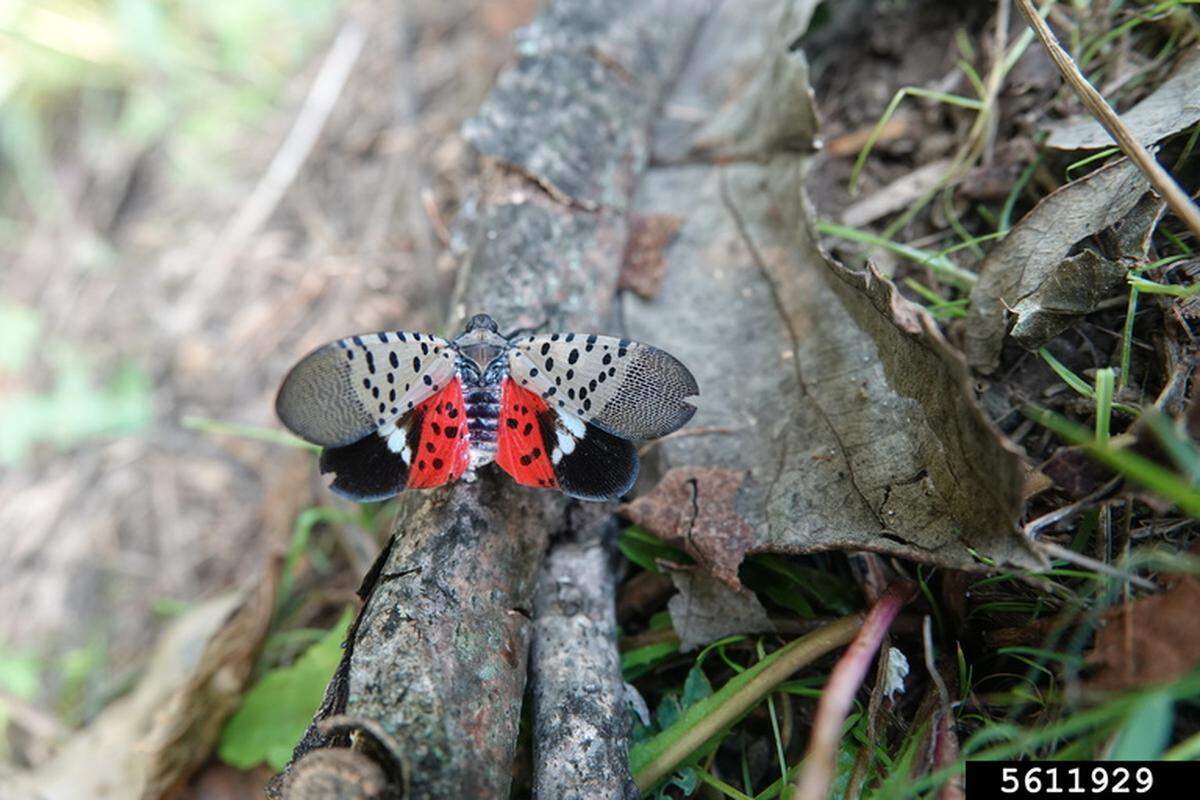
So far, the Spotted Lanternfly has not been seen in Mississippi, but according to experts, it’s only a matter of time because the pests love to feed on one special tree.
“Its favorite host, Tree of Heaven, already occurs here. It is good to be aware of this pest and know what it looks like,” said Blake Layton with the Mississippi State University Extension Service.
The invasive fly was most recently seen in Fulton County, Georgia, in October 2024, but it was first seen in the United States in Berks County, Pennsylvania, in 2014. Other states that have had sightings include Connecticut, Delaware, Maryland, Ohio, New Jersey, New York, Virginia, Massachusetts, Indiana, Illinois, Kentucky, Tennessee, North Carolina and West Virginia.
Why is the invasive Spotted Lanternfly dangerous?
Although the Spotted Lanternfly is not harmful to humans, it “poses a serious risk” to agriculture.
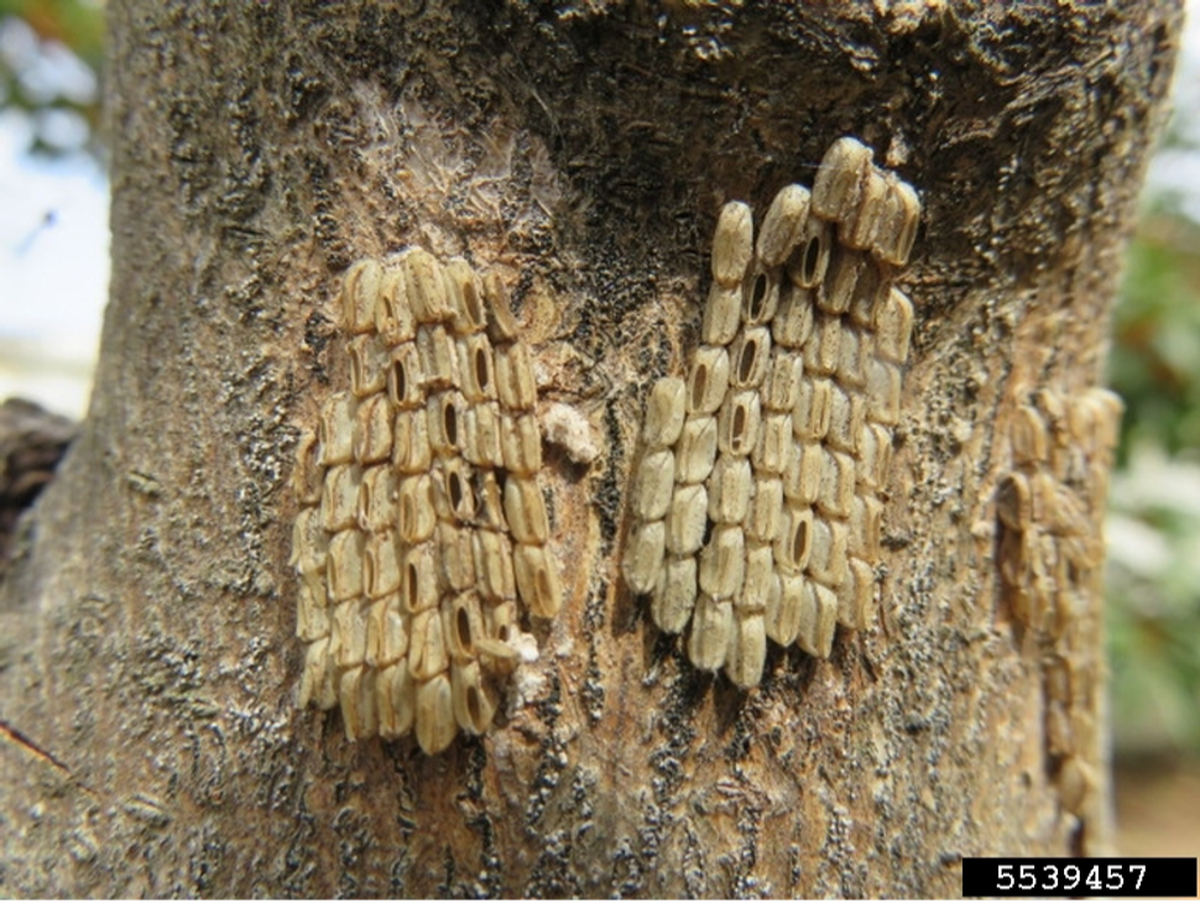
The APHIS said that the spotted lanternfly can lay eggs just about anywhere, such as on fences, trees, bricks, grills, stones, equipment and vehicles. However, it’s what happens once they hatch that gets dangerous to the state’s agriculture. Once they hatch, the lanternfly will be a nymph with a black body and white spots before they change into a black and red moth-like creature with spots.
When they begin feeding on plants, the spotted lanternfly leaves behind a “sticky, oozing residue called honeydew” that attracts other insects, causes mold, ultimately harming the plant. You may be able to tell if a plant has been infected by an “intense, rotten smell,” which indicates that the honeydew has fermented.
The Spotted Lanternfly particularly likes to feed on apple trees and grape vines, which hinders or kills fruit production. The fly also has been known to destroy habitats for bats, birds, reptiles and more, according to the U.S. Fish and Wildlife Service.
What should you do if you see a Spotted Lanternfly?
Experts have urged residents to do the following if you suspect Spotted Lanternfly activity:
- If you encounter Tree of Heaven trees this year, check them out to see if you can find spotted lanternflies, and if you do, please let your county agent know about it, or contact the Mississippi Department of Agriculture at 662-325-3390.
- Take a picture or catch the critter if you can. It is important that reports be supported by samples or photos so identification can be confirmed.
However, people are urged to “report it and kill it” if you know for certain you have seen one.
The APHIS also has the following tips for keeping the pests away:
Regular Checks: Inspect your trees and plants for signs of this pest, particularly at dusk and at night when the insects tend to gather in large groups on trunks and stems.
Close Car Windows: Spotted lanternflies and their nymphs can enter vehicles unsuspectedly. When parked, make sure to keep windows closed. If possible, try to park 15 feet away from trees in a quarantine zone.
Check Your Vehicle: Before leaving a parking lot or work site, inspect vehicles for eggs or insects. Check doors, sides, bumpers, wheel wells, grills and roofs. If found, destroy any eggs or insects you find.
Winter Prep: When preparing for winter, check your outdoor items for egg masses, including items you may bring indoors.
Destroy Eggs: Look for egg masses in your trees (in particular, tree-of-heaven), bricks, stones and other smooth surfaces. If you find eggs, smash them (325.72 KB) and scrape them into a plastic zippered bag filled with hand sanitizer or rubbing alcohol to kill them. Then, zip the bag shut and dispose of it in the trash.
Have more questions? Let me know in the comments or email me at cmadden@mcclatchy.com.