
J. MORRIS: Tropical Kingbird returns for second winter to Bay St. Louis
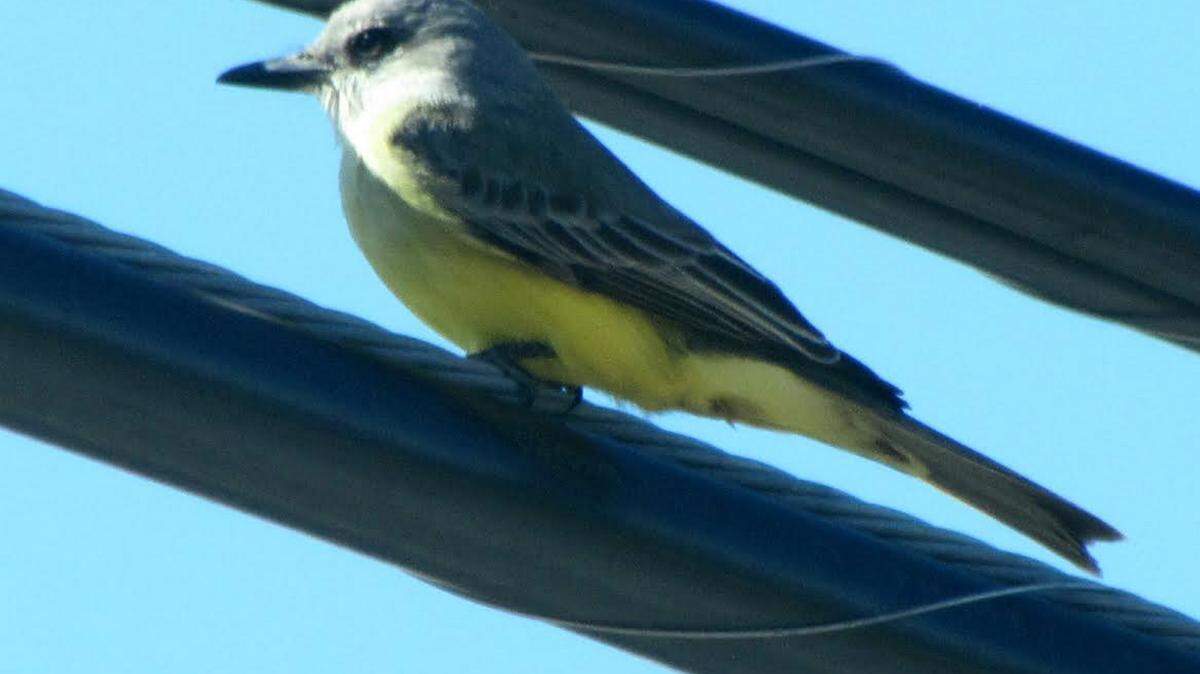
Some birders consider themselves "Citizen Science" majors, and well they should. The study of the status and distribution of birds has proven to be a useful tool in the study of climate change.
Because food and shelter are the primary goals of all creature on this planet, changes in temperature that remain a constant for any length of time can encourage new types of plant growth. This may encourage the rapid distribution of new insects and other lower life forms, and before you can say "rubber baby buggy bumpers" a whole new ecosystem has emerged with birds in the center of the mix.
We have discussed in this column "wandering" migrants who sometimes get blown off their normal route by strong winds or storms. These birds delight birders but stay only a while in order to refuel. Then their genetic GPS kicks in and they are off again on the right track.
On rare occasions, which are becoming more and more "not rare," can be found the repeated appearances of "rare" birds during a certain season. Last winter, a Tropical Kingbird was found in Bay St. Louis. The bird closely resembles several other birds in the family group, specifically the Western Kingbird and the Couch's Kingbird. So close are the physical properties of the Couch's and Tropical Kingbird that they must be distinguished by vocalization.
With the advancement in the genetic identification of our birds came the realization that all species of birds vocalize differently. The Empidonax family is notorious for being harder to separate than my brother-in-law from a barbecued rib coupon. Even with the opportunity to hold two species in your hand, identification can be a daunting task. There are generally five species that make up the "Empidonax Complex."
More than 20 years ago, Judy Toups, along with other high-profile birders attending an American Birding Association meeting, elected to allow bird vocalizations as positive ID of a species in the field. Today, more than half of all birds identified in the field are done so via their vocalizations.
Recordings of birds are sometimes used to identify rare or hard-to-label birds. This practice, however, is strongly discouraged in the birding community during nesting season. Our birds are under enough stress from the interferences of mankind, predators, the weather and other obstacles. The last thing we want them to think is a rival male is in the vicinity.
When the Tropical Kingbird was found in Bay St. Louis last winter, good friend Ned Boyajian, who has been birding longer than Noah, was called to give his expert opinion on the ID of this rarity.
After all the physical properties were examined and it was determined the bird either had to be a Couch's or a Tropical, Ned played a tape with each bird calling and the Tropical Kingbird responded, closing the debate on which bird it was.
Word spread and birders were flocking to the Bay to get a look at this beautiful specimen -- so much so that neighbors in the close-knit and generally quiet neighborhood began to dust the cobwebs off their firearms. Most were very receptive and curious when they found out what all the fuss was about.
Birders are again making their way to Bay St. Louis. Harold Weber, who discovered the Tropical Kingbird last winter, caught this beautiful shot of him returning for a second winter. Harold, who has taken to birding like my nephew takes to pizza, began photographing the birds in his area and that's how he happened on the Tropical.
Birders are generally willing to spend money wherever they visit. Cafes, restaurants and other businesses in the vicinity of a rare bird always benefit. They clean up after themselves (the birders, not the birds), they do not trespass where signs are posted and they're glad to share their knowledge of the bird life around them.
Thanks to Harold for his continuing contribution to the "Mississippi Coast Band of Birders Facebook page. Some of his photos are stunning.
So for the second winter, this rare bird has appeared and seems to be content to stay awhile. Perhaps a female will join him in the spring and we will have a record of nesting Tropical Kingbirds here in the Coast. Birders would be happier than a red fox in a hen house.
J. Morris, has been birding, teaching and writing about birds for 20 years. He is the founder of the Mississippi Coast Band of Birders.