
J. Morris: Hancock County Christmas Bird Count racks up 150 species
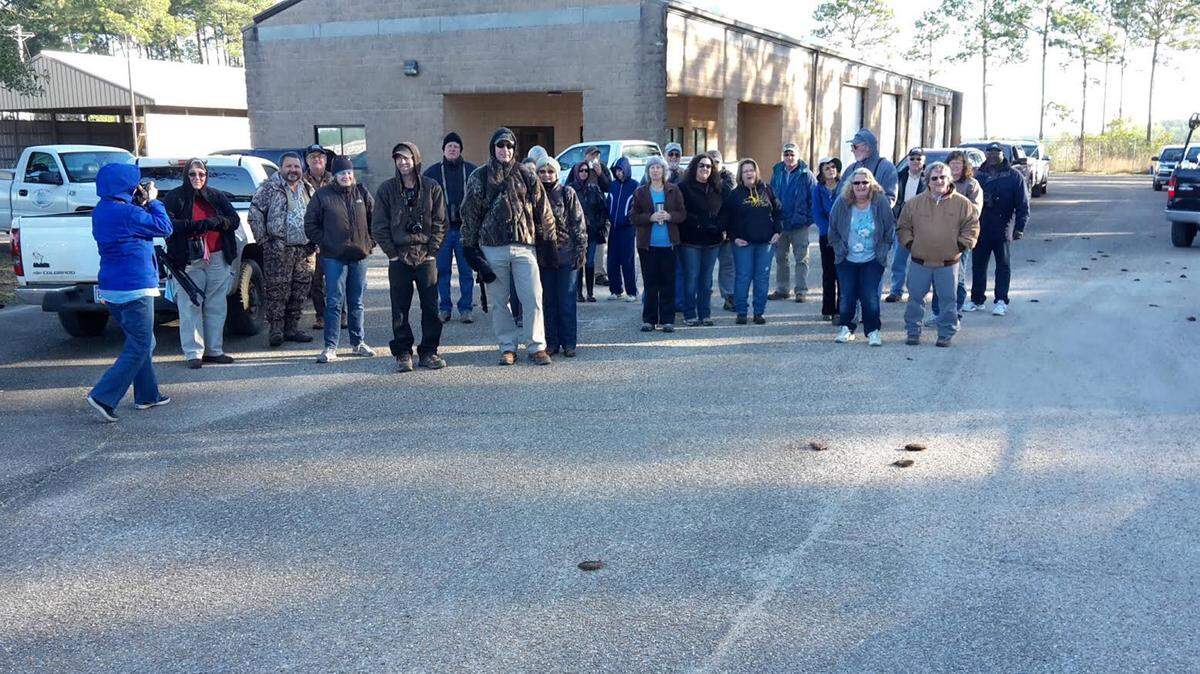
Each year across the nation, many towns, cities or counties participate in the Christmas Bird Count. The annual tally began in 1900 under the name of "The Christmas Bird Census." This count was originated to counter a hunting tradition known as the "side hunt," when hunters would gather in teams and shoot everything they could find with feathers or fur.
That first CBC produced 27 birders and 25 count locations. Ninety species or so were documented.
From Dec. 14 through Jan. 5, tens of thousands of birders across the country brave wind, rain, sleet and snow to participate in this most worthwhile project. The Audubon Society and other organizations use data from this long-running wildlife census to assess the health of bird populations and to help guide their conservation programs.
As in previous years, the Hancock County team has been spearheaded by our most competent and reliable birder here along the Coast. Ned Boyajian has been mentioned several times in this column. Ned is a veteran birder of more than 60 years and despite recent tragedy in his life took up the gauntlet once again to arrange the locations and teams that would participate in this year's count. Organizing an event of this kind is much harder than it looks. I learned this several years ago when I volunteered to lead a count team.
Many birders take extra time to survey their sites often before the count. This gives them a good idea of what might be there or show up on the day of the actual count. This can lead to miles and miles being put on an automobile as well as the soles of your feet. The day of the count generally starts at dawn and goes till dark, although some birders take a "siesta" in the mid-afternoon to regain their stamina and fortitude. How well I remember participating with Judy Toups one year where the last bird we got on our list was just as the sun was going down -- a Great Horned Owl taking off from a huge pine tree in Jackson County.
I can still see her meandering down a path with those dirty white tennis shoes, always with one untied. In one hand would be a black More cigarette, which Ned affectionately call her "cigar." Judy never quite caught the humor. It always cracked me up. In the other hand would be her trusty Zeiss 7x40s. Back in the day, they were the top birding glass on the planet.
Hancock County count
According to Ned, this year's Hancock County CBC, held Dec. 15, was not as eventful as some have been in terms of rare birds. But the overall total of 150 species is most impressive. There were two seasonal rarities, the Barn Swallow and the Black-and-White Warbler and one middling-rare western stray, the Vermillion Flycatcher, a brilliantly red bird that is a pleasure to see any time.
There were unusually high numbers of terns, including 654 Forster's Terns and 670 Royal Terns. According to Ned, this higher tally may have been effected by the red tide activity that was taking place eastward.
Sometimes birders mistake our Loggerhead Shrike for just another Mockingbird but a closer look reveals a hook-shaped bill and a black mask. This small but formidable predator carries the nickname "butcher bird" because of its habit of impaling prey on a thorn or barb wire to return to and consume later. This bird is enjoying a steady comeback, as evidenced by a count of 48.
At least four teams got to witness mini-tornadoes of Tree Swallows. A tally of 7,021 of the winter swallows was entered this year, the eighth highest of any count in a 38-year history but still not as high as the 1999 CBC, when more than 31,000 Tree Swallows were counted.
Our winter resident Yellow-rumped Warbler, aptly named for the butter-colored patch near the base of its tail, came in at nearly 5,000. This rather nondescript bird in the winter turns into a beautifully plumed songbird during the spring and summer when it attracts females with its impressive coloration -- a far cry from its winter plumage. Birders on the Coast can sometimes get a look at this beautiful transformation before it packs up and returns to the north for breeding.
Overall passerine numbers were down for 2015, especially in sparrows, which may be because the winter weather has been particularly warm so far.
The Jackson County Christmas Bird Count will be Monday. If you would like to participate, please contact Sharon Milligan at 861-1622. All help is most appreciated.
J. Morris, has been birding, teaching and writing about birds for 20 years. He is the founder of the Mississippi Coast Band of Birders.
This story was originally published January 2, 2016 at 9:06 PM.