How much will Gulfport’s new football stadium cost and how is it being paid for?
AI-generated summary reviewed by our newsroom.
- Gulfport High plans $10M on-campus stadium to replace 54-year-old Milner site.
- Funding will come from district’s excess fund balance with no new taxes needed.
- Future phases include land buy, new facilities and broader community engagement.
Gulfport High School athletic director Matt Walters presented plans to construct an on-campus football stadium during a Gulfport School District meeting Monday.
It was a part of a four-phase growth plan dubbed “Gulfport Rising,” which includes potential land acquisition and the construction of new athletic facilities.
The driving force behind the projects is an effort to bring more student activities and events to the high school campus and a desire to improve the area the school sits on at Courthouse Road and E Pass Road.
“We believe this is something that is going to benefit Gulfport as a whole,” Walters told the Sun Herald in an exclusive interview. “We’ve looked at some of what we’ve called ‘mirror moments,’ which are moments of honesty about some things that we need to improve on ourselves. One of those things would be blight on Pass Road that we have right around the school and being able to clean some of those things up and have an immediate economic impact on the immediate area.”
The current 54-year-old home for Gulfport football is Milner Stadium on 38th Avenue — five miles from the high school.
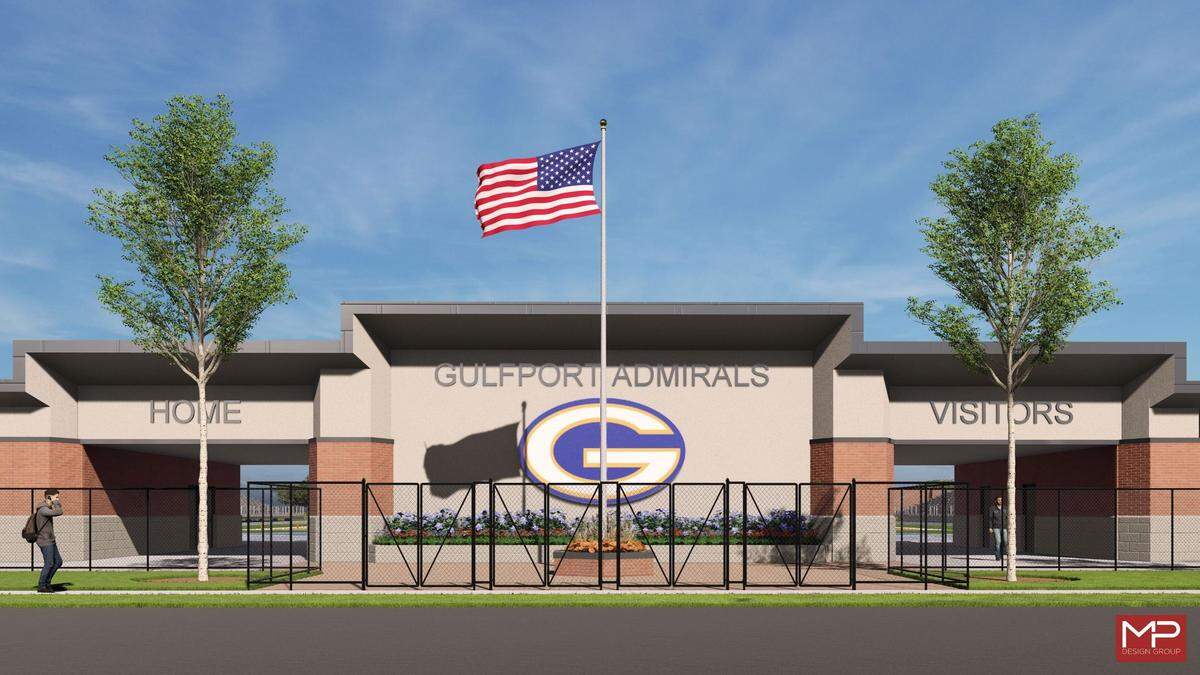
The new construction will be built around the William Prince Jones Track Complex along Loposser Avenue at an estimated maximum cost of $10 million, pending the ongoing construction bidding process, according to Walters.
Walters says much of the infrastructure is already in place, helping drive the total price down. A new track and turf field was laid down in 2022 at a cost of $1.3 million. There’s a field house on site, as well.
Construction would include a new entrance, bleachers to accommodate 4,500 people and a field house addition for a visiting locker room.
The project will be paid for through the district’s excess fund balance. Meaning, in essence, it’s already been paid for by the taxpayers.
“We won’t have to go out and do any kind of a bond issue or raise taxes or anything like that,” Walters said. “Fund balance is the amount of money that we have in our account that is built up over the course of time. We’ve been pretty financially conservative over the course of several years and we have a hefty fund balance to where, if we spend the money it would take for a stadium, we would still have a very, very good fund balance.”
Walters says he hopes the project will be completed in time for the 2026 season. Before then, he promises town halls to discuss the plan with residents.
Historic signage referencing the school’s storied track program will also continue to be displayed and moved to a more visible location.
The phases to follow
There are no timetables for phases two, three and four, Walters said. Phase two is land acquisition north of campus stretching to E Pass Road. That will not be paid for through the district war chest. Rather, the district is expected to explore other avenues, including help from the city, private investors or grants.
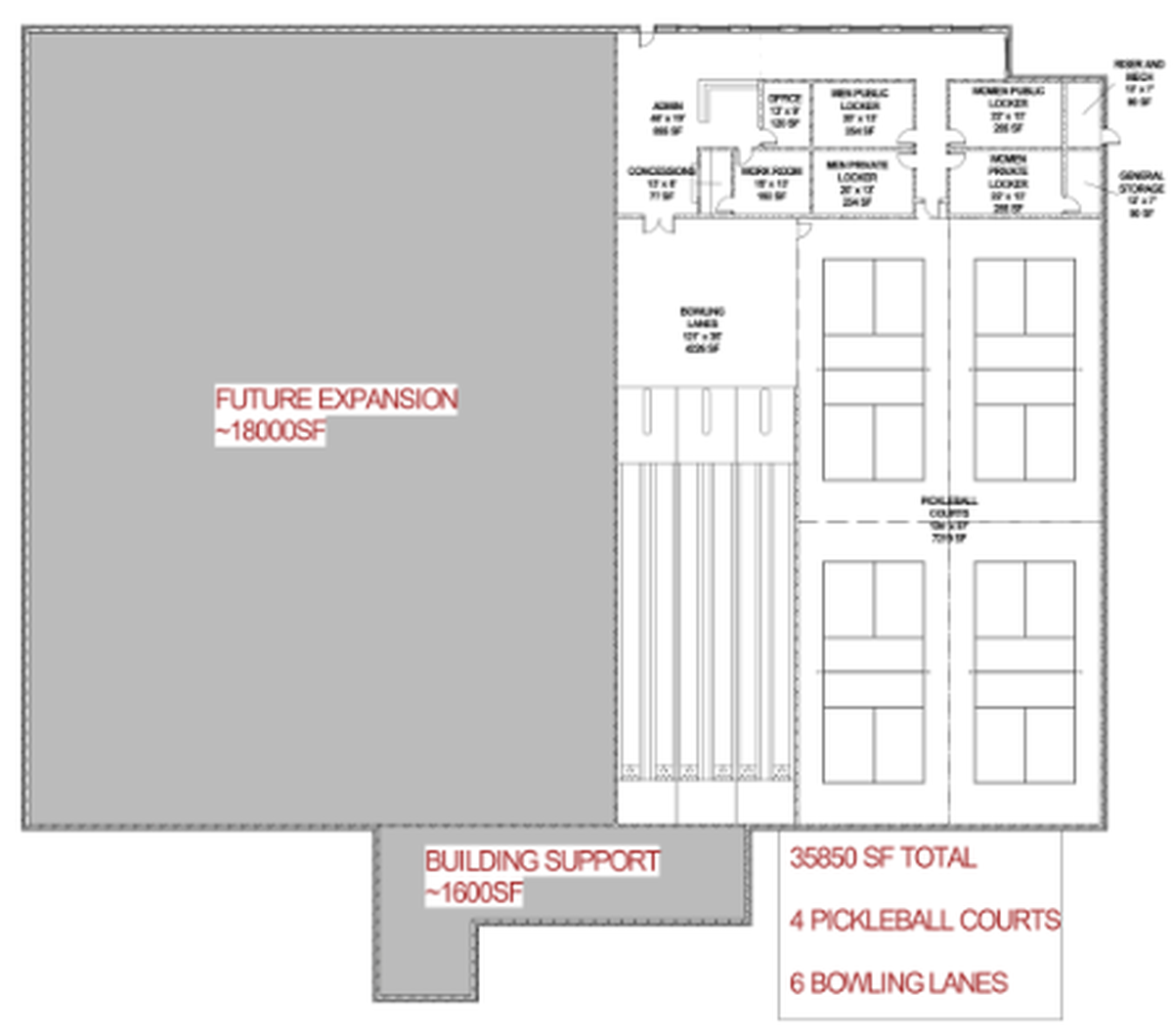
Phases three and four involve using the expanded campus space to build a natatorium, a multipurpose facility to house a bowling alley and pickleball courts, and a facility for the school’s championship powerlifting program.
The school’s hope is to create more community and student involvement on and around campus.
“We want to be able to have something that sparks economic growth and community pride,” Walters said. “Basically, the way I’m phrasing it is to put our heartbeat out there further and extend our reach so we can create something better for the community.”
This story was originally published July 9, 2025 at 1:30 PM.