
FORUM | JEFF BANKSTON: High-speed Internet is the new interstate system
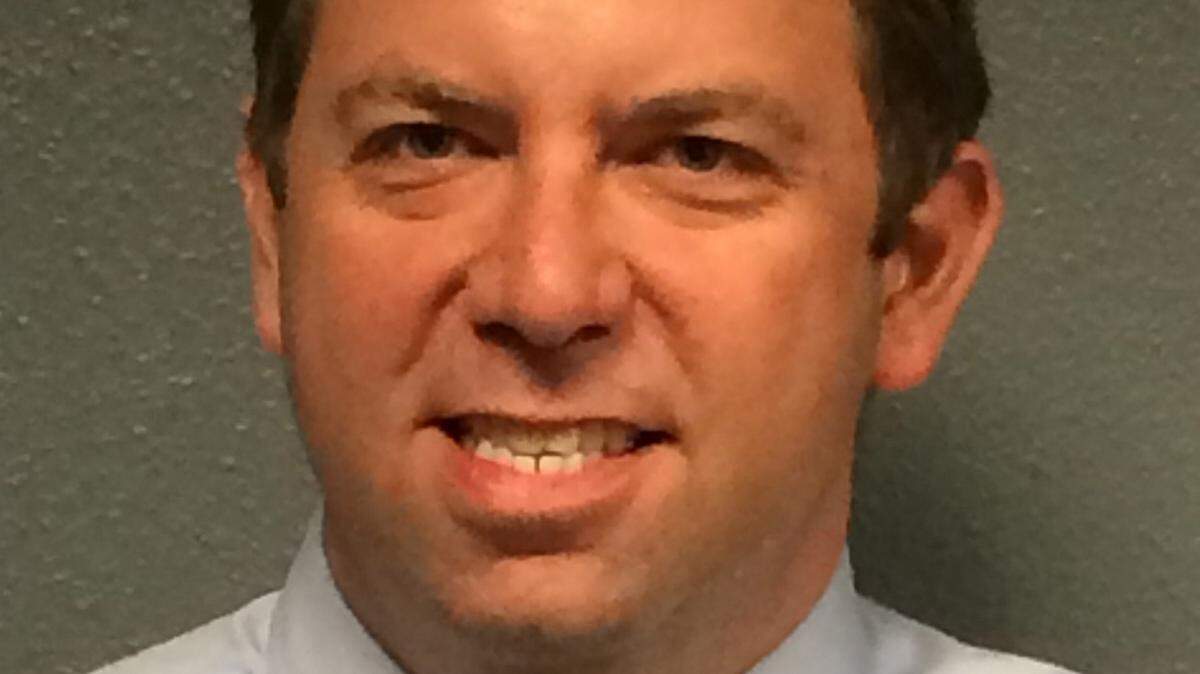
I am writing to respond to David Williams' piece in the Jan. 3 Sun Herald titled "South Mississippi cities deserve better than government broadband."
I grew up and live on the Gulf Coast so I would like to give a local's perspective from someone it will actually affect. Additionally, I have spent the past year studying this subject as a member of the Master's Class of the Gulf Coast Business Council, whose challenge was to plan to bring ultra-high-speed broadband Internet to the entire Mississippi Coast.
I feel the need to clarify some of Mr. Williams' statements.
First, why should we care about ultra-high-speed Internet (defined as 1 gigabit per second or higher) on the Gulf Coast? Why do we need Internet speeds up to 200 times faster than what you might have in your homes today?
I compare this to the interstate system. Why do we need roads to drive fast on? Well, we know that because of the interstate system, our country became truly connected for the first time and commerce exploded nationally. Could you imagine what the Gulf Coast would look like if we were isolated from the interstate system? Would we have casinos, Stennis Space Center, Ingalls Shipbuilding or a port? Of course not.
Gigabit or faster Internet is the new interstate system. It takes us from 25-mph roads to 70-mph roads. Cities across the country are already ahead of us and if we wait for private enterprise to go it alone, we will get bypassed by this new interstate.
Mr. Williams states the Gulf Coast already has a "healthy private Internet market." Though it's true local service providers have committed to bringing gigabit Internet speeds to the Gulf Coast in 2016, it is extremely important to point out these speeds are only DOWNLOAD speeds (receiving information), but UPLOAD speeds (sending information) will still pale in comparison or be too expensive, and upload speeds are the most important for new-business development.
We do not want to be only a "consumer" of large Internet content. We also want to be a "producer" of it. Again to the interstate example, it would be like I-10 having 70 mph limits coming to the Gulf Coast, but only 15 mph going away from it. If that were the case, businesses such as the state Port of Gulfport would not exist. With the Coast going after high-tech and better-paying jobs, the new "port" of the 21st century will be movie-production companies and technology and startup companies, all of which provide tremendous economic power and require ultra-high-speed, affordable upload capacity.
Mr. Williams does not believe government should be involved at all. First, I do not advocate for local governments completely owning the entire delivery, support and administration of the network all the way to the home. A public-private partnership is the best way to get this moving. A committee made up of leadership of every city on the Gulf Coast would administer the spending of the BP money allocated to this initiative. Their charge would be to build the "fiber ring" around the entire Gulf Coast, which would serve as the foundation of the service. This is known as "the middle mile."
Private companies can then partner with cities to use this foundation, combined with their own private investment, to build out the service from the fiber ring to the home or business, which the lingo calls "the last mile." This will, in effect, increase competition by creating a public-private partnership, sort of like an airport, where privately owned airlines compete in a public arena. The local governments would serve as the wholesaler and the private providers as retailers who would compete for the "last mile" to the home. Such competition would drive down rates. This is not the model that cities Mr. Williams cites as failures have used.
In summary, here's what studying this topic for a year has taught me:
If you want better and higher-paying jobs, access to the world's best education and health care, and a better local economy, then you want gigabit-speed Internet on the Mississippi Coast.
If you want it to be at a lower cost to you and not raise taxes, then you want a public-private partnership to be involved in providing it.
We have a unique opportunity with the influx of the BP money -- to spend it on something that will lay the groundwork for a better future for us all.
This is something the entire Gulf Coast can rally around, and we should.
Jeff Bankston, senior vice president and director of the Enterprise Project Office at Hancock Bank in Gulfport, can be reached at jeff.bankston@hancockbank.com.