
Opinion: A decision to slash Mississippi and Alabama’s red snapper quotas should not be rushed
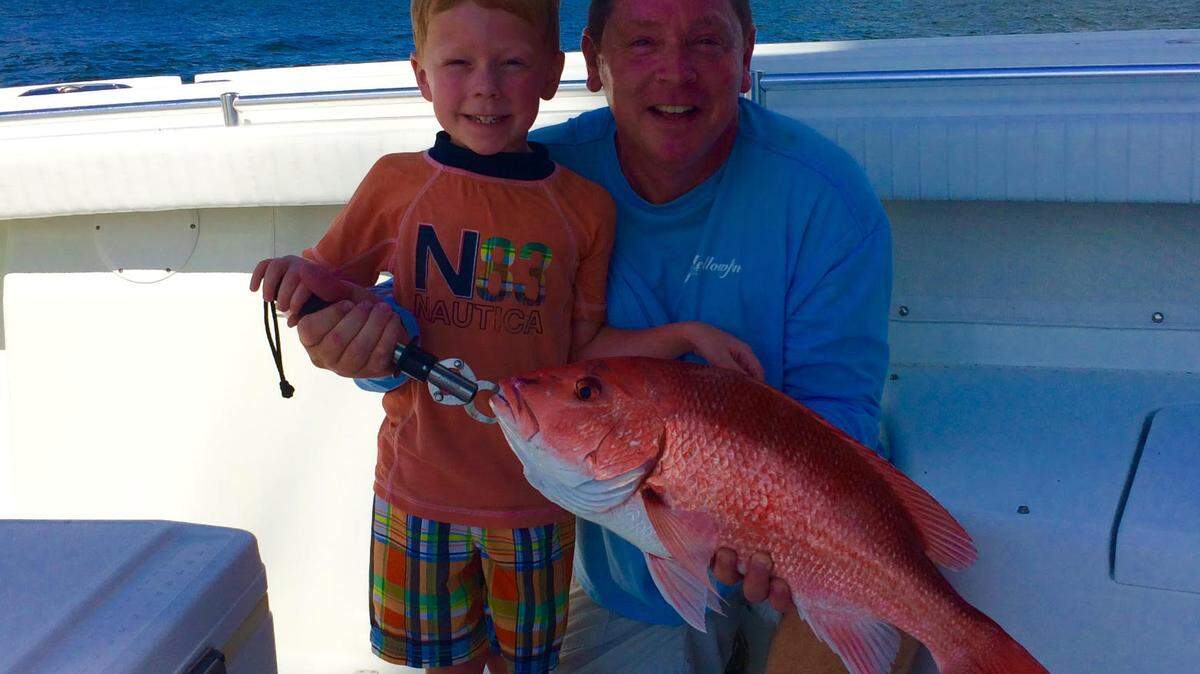
When the Gulf of Mexico Fishery Management Council meets April 12-15, the hottest topic will be the zealotry of NOAA Fisheries to calibrate recreational red snapper harvest data collected by the five Gulf States to the data collected by the federal government.
The federal Marine Recreational Information Program (MRIP) – the faulty survey that was the catalyst for the states collecting their own data in the first place – did a terrible job of collecting recreational red snapper data in Mississippi and Alabama for years. Therefore when the data is calibrated, it punishes these two states the most.
If NOAA Fisheries rushes the council to calibrate the data in April, they will likely reduce the private recreational red snapper quota by half or more in Mississippi and Alabama. That means their anglers may end up with the same dismal few-day red snapper seasons they had under the ill-informed federal management.
NOAA Fisheries says they are only trying to achieve an apples-to-apples comparison. But how can you ever get an apples-to-apples comparison when state data is like an iPhone and MRIP data is like a rotary phone?
There is a strong case for a timeout before state management of Gulf red snapper goes up in flames. Putting the states in charge has yielded remarkable results over the last three years thanks to the states’ ability to collect more timely and accurate data. Additionally, the health of the fishery is better than we ever knew.
NOAA Fisheries is forcing the Gulf Council to rush to their judgment as though it is a fait accompli, but it is not. The facts are not decided, much less the outcome. There is an incredible amount of new information in play that should be considered before any adjustments are made.
Results from the Great Red Snapper Count – the independent, authoritative stock assessment conducted by more than a dozen marine research institutions across the Gulf Coast that was authorized and funded by Congress – show approximately 800 million pounds of red snapper in the Gulf of Mexico. That is three times the amount NOAA Fisheries previously estimated in the water. To put this number in perspective, the Gulf-wide private recreational red snapper quota is 4.26 million pounds. The federal “managers” appear to be fighting over one-half of one percent of the stock.
The risk of overfishing may be at an all-time low. Based on the Great Red Snapper Count, Gulf Coast anglers are due an increase in quota. Not a decrease.
The regional scientists with NOAA Fisheries are hurrying to offer their own interim stock assessment that takes into account the Great Red Snapper Count. This is another nugget of information critical to the future of this important fishery.
Finally, while the modern state systems were designed expressly to provide data for in-season management decisions with enhanced surveys, mandatory online reporting requirements and in-person intercepts at the dock, the federal system is trying to untangle its own mess of historical data, most of which was gathered by randomly dialing coastal telephones.
A few years ago, NOAA Fisheries decided a mail survey got better results and now the agency is trying to jerry-rig its historical landline telephone data to match its “new” mail survey data. That process is far from complete, and yet now the Gulf States are being required to mutilate their own data to match a federal target that hasn’t even been validated yet.
What is most striking is that this situation is not unique – in 2002 the Pacific states simply opted out of MRIP and federal collection of recreational data altogether because it was inadequate for managing West Coast groundfish. Nineteen years later, the Gulf states would be wise to head for the exit as well.
Amid all the developing information, no risk of overfishing and no federal deadline for calibration, why is NOAA Fisheries in such a hurry? Is there a fire? No, not unless the feds set the fire. With summer quickly approaching and families looking to make vacation plans around red snapper seasons, now is not the time to rush this management action. The council should take its time to make the most informed decision using the best available science … the council should follow the lead of the States.
Jeff Angers is president of the Center for Sportfishing Policy representing the nation’s saltwater recreational fishing industry and the millions of Americans for whom recreational fishing is a way of life.