
COVID-19 is a thief. Coast official shares his story — one of 550,000 American tragedies
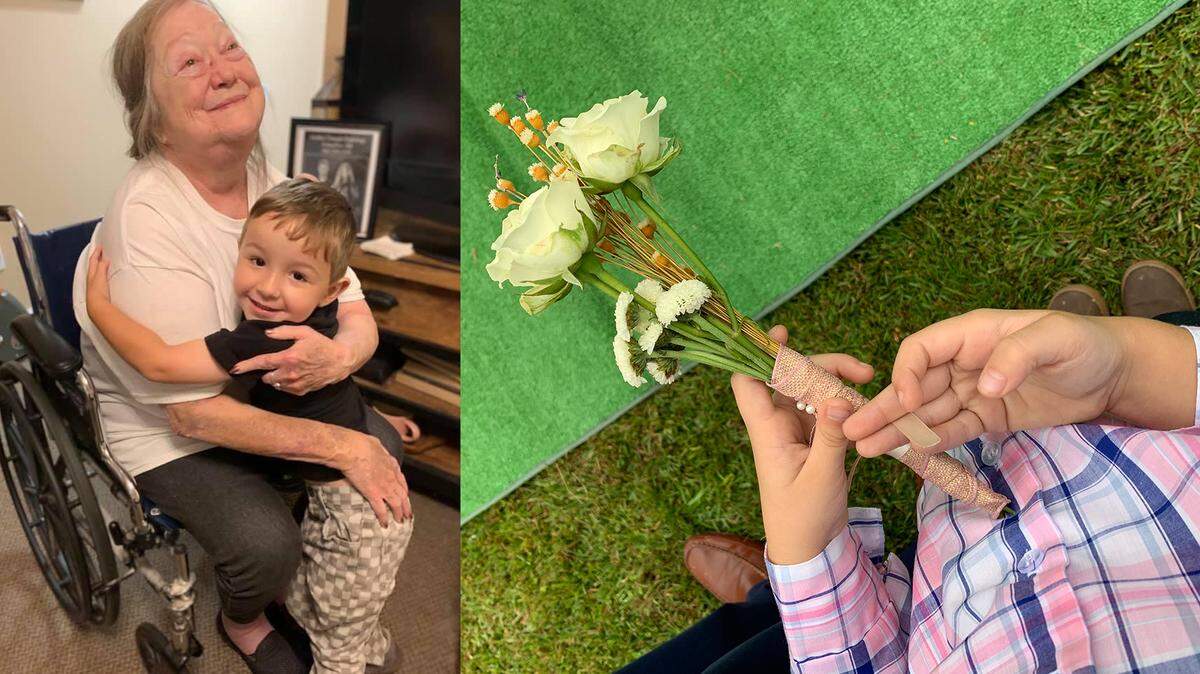
I didn’t know the last time I talked to my mother was going to be the absolute last time I heard her voice, but I knew the end was coming.
“I love you to the moon, son,” she said at the end of our conversation on the afternoon of Oct. 16, 2020.
“I love you, too, Mom — you’re going to have to fight this with everything you have,” I replied.
The “this” to which I am referring was COVID-19, the invisible coronavirus from which we had been running for most of 2020. Later that night, she would crash as her oxygen dropped to a dangerously low level and would be admitted into the ICU in a Northeast Mississippi hospital.
A few days later she would be gone.
Cheryl Clark, or, “Gran” as the 72-year-old was called by her three grandchildren — Charlie, Makensie and Conner — is one of what is now more than 530,000 Americans who have died from complications from COVID-19.
And a year filled with anxiety, depression, high stress, confusion and anger would be bookended with trauma and the inevitable PTSD, or CPTSD, as my wife, Dayna, and I call it — COVID-19 post traumatic stress disorder.
At the beginning of March 2020, the anxiety and stress of living during a pandemic became our daily “normal,” although it was quite an abnormal way to live. My son, Charlie, who was 5 during the majority of 2020 — he turned 6 in December— and I had big plans to see KISS at the Mississippi Coast Coliseum.
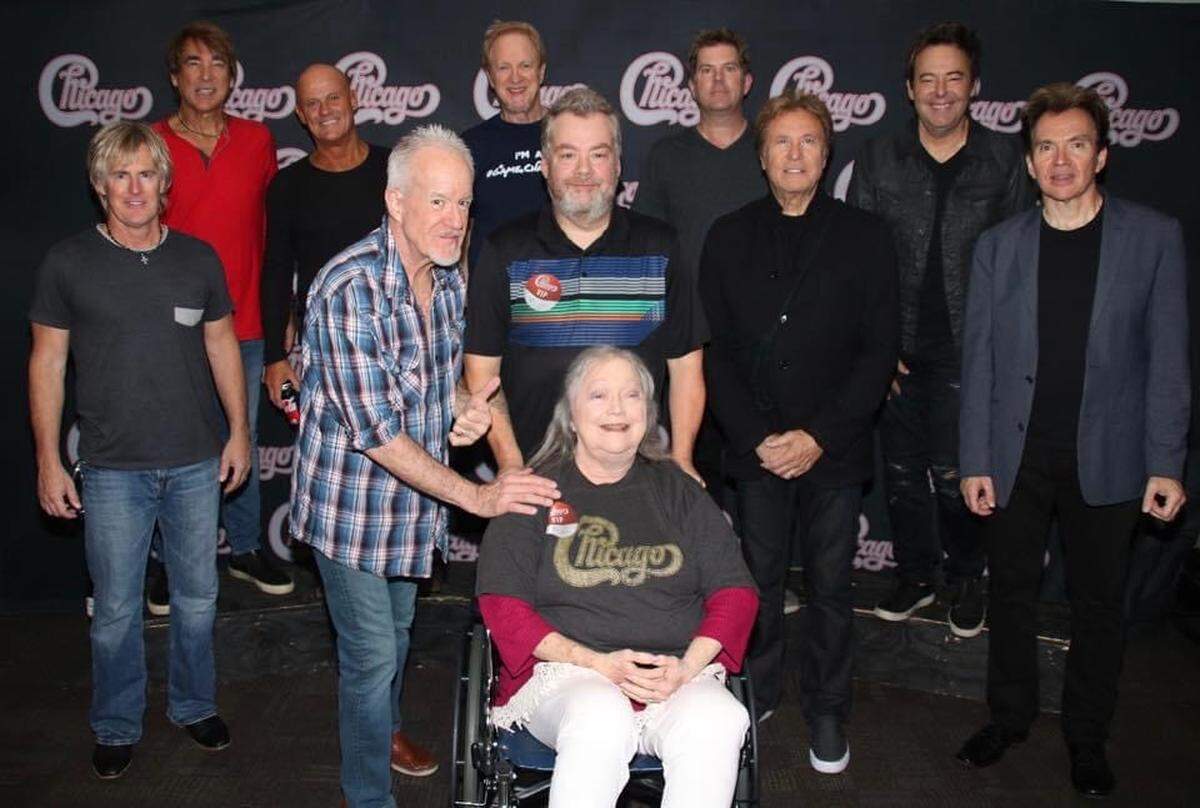
I started getting pretty anxious about COVID-19 when the NBA canceled its season. The cancellation of the KISS show was another level, though. COVID-19 was not only real, it was making its way into South Mississippi.
We managed the best we could, because the phrase “the best we knew how” doesn’t apply. We had no prior knowledge of living during a pandemic.
I remember a time in late March or early April where I was working from home, my wife was teaching virtually, and we were doing virtual pre-K learning and homeschooling with Charlie. We were all working from the same dining table where we eat our family meals.
The stress and the anxiety were palpable.
But, we kept on moving. Taylor Swift made two amazing albums during her time in quarantine. I watched “The Office” again for like the millionth time, Charlie and I played Atari — all of the games in one console — and we became level 18 Pokemon collectors. Oh yeah, I also started stress-eating which led to weight gain which added to my depression, and my body reacted to the stress by breaking out in shingles. There’s nothing normal about any of that.
Somehow, we made it to October, which is the beginning of our favorite time of the year. The SEC had found a way to play football games and that was a very nice and much-needed distraction. On Oct. 12, I turned 50. And then, two days later, on Wednesday, Oct. 14, I got the text from my sister that would forever change my life — “Mom tested positive for COVID.”
We hadn’t seen Gran since before quarantine. She was over 70, had diabetes, was legally blind and had a kidney transplant in 2008. We couldn’t risk infecting her. So, we did what we had since we moved to the Mississippi Gulf Coast.
.JPG "image_6483441 (2).JPG")
We called her twice a day, every day. I would call her on my way home from work, and the whole family would call her at night. We were very close.
Gran lived with my sister and her family near Amory. In August, my sister called me and told me that Mom was going into an assisted living facility because she had sold her house sooner than anticipated, but it would only be temporary. It’s worth noting that my mother’s health and mental state were excellent. But she had to have some help because she was legally blind, which created a situation where she could easily fall.
I told Dayna she wasn’t going to make it. I’m certainly not a doctor, but I knew enough about the virus through my work to know that her chances were slim. For whatever reason, they kept Gran at the facility instead of immediately sending her to the hospital. She wasn’t offered any special drugs or plasma transplants like Nick Saban and others who had publicly battled COVID-19. She was left alone on the COVID-19 ward.
Once she was in the ICU, I called every hour or so for updates. I’ll never forget the feeling on Tuesday, Oct. 20, when I was told that she had “just been out on a ventilator so she could get some rest.”
The next two days seemed like the longest of my life. On Thursday, Oct. 22, at around 2:30 p.m., Gran died.
I’m not going to say she passed on — that’s what happens when people die from natural causes. I wish Gran had just passed away, but because someone had been around and was knowingly infected but asymptomatic, she was ripped from our lives forever.
Because Gran died from COVID-19 as her death certificate clearly states, the funeral home would not embalm her. On Oct. 26, they put her body in a bag and placed her in a casket and into the ground and that was that.
A life that was well-lived and that spanned seven decades was buried with very little fanfare because of COVID-19 protocols.
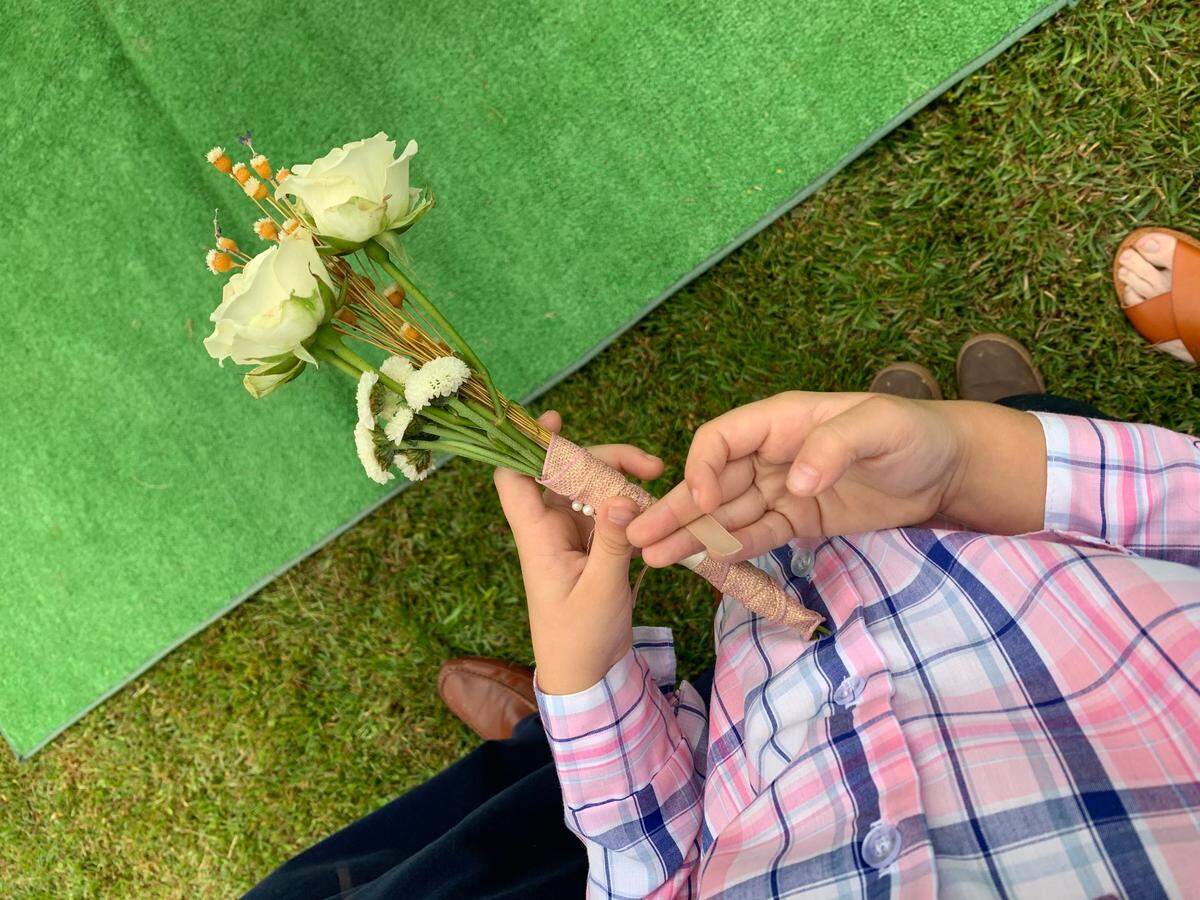
After the burial, we drove back to our home in Pass Christian. I went to work at 4:30 a.m. Oct. 27 and I didn’t return home until Sunday, Nov. 1. Hurricane Zeta threw us all for a loop.
I missed my mom. I was separated from my family and worried about my property, and I honestly thought I was going to have a breakdown.
I’m grateful for former Harrison County EMA Director Rupert Lacey and the kindness and compassion he showed me while I was struggling to keep it together under his watch. He made it a point to check on me every hour or so. I had to focus on work because the lives and property of others was on the line.
Gran has been gone for six months now, although it seems like a lifetime.
COVID-19 is a thief of time, money, joy and lives. I wish I could say things are easier, but I’m just angrier.
I feel like a shell of the person I was in March 2020.
But we keep on moving.
This is our story. There are almost 550,000 of them out there. And that is an absolute shame.
Jeff Clark is Harrison County ‘s public information officer. He lives in Pass Christian.
This story was originally published April 9, 2021 at 12:00 AM.