
The Trump administration is expanding health care in Americans’ homes – commentary
As the world continues to confront the coronavirus, the risk of serious illness for the average American remains low. But for senior citizens with health conditions, the risk is much higher.
That’s why President Donald Trump has asked our seniors and all Americans with serious health conditions to stay home and away from other people, even if they do not have symptoms of the coronavirus. The president — with full appreciation for how difficult it will be — has also asked the American people to refrain from visiting nursing homes, retirement homes and long-term care facilities unless it’s their job to provide necessary care.
And while millions are following the president’s guidance to stay at home to keep safe, the Trump administration is working to ensure that all Americans can still receive medical care if they need it, even at home.
On Tuesday, the president took action to dramatically expand the ability of Medicare patients — and all Americans — to use telehealth services, which allows patients to consult with health care providers via video teleconferencing technology rather than in person.
Thanks to the actions of the president, any American can now receive a wide range of telehealth services without ever having to leave home, including checkups, mental health counseling and preventative health screenings.
Consider the implications: Perhaps an older person with diabetes needs a routine checkup. Previously, this at-risk individual would have had to venture outside and risk exposure to the virus. Now, he can receive care from the safety of his own home. Or perhaps a patient is experiencing moderate flu-like symptoms. Instead of leaving the house and sitting in a waiting room full of other vulnerable people, he, too, can receive advice from his doctor from home.
Telehealth will now be more widely available so that patients can access doctors, nurses, psychologists and clinical social workers remotely to receive the services they need.
The shift is equally momentous from the health care providers’ point of view, as they face considerable strain on their time and resources as the virus spreads. The president has assured providers that they will not face any potential Health Insurance Portability and Accountability Act, or HIPAA, fines if they use popular communication apps such as Skype or FaceTime to deliver telehealth to patients during this emergency. This assurance applies to any health care provider using telehealth to care for any patient with any health care condition, regardless of the patient’s age, insurance status, or whether the telehealth visit is related to COVID-19. Now, because of these actions, all Americans can receive telehealth services in their homes, through their smartphones, for any medically-appropriate purpose.
This increased flexibility will allow the healthcare system to prioritize in-person care for those who need it most and minimize unnecessary use of personal protective equipment.
Doctors and other health care providers can also be assured that these rules will be reflected in the way the Trump administration enforces the law. Ordinarily, if doctors were to routinely waive or reduce co-pays owed by Medicare beneficiaries, they could be suspected of receiving kickbacks and potentially be investigated. Doctors can rest assured that during this national emergency, the U.S. Department of Health and Human Services will not bring enforcement actions against them for not collecting co-pays as long as they follow the rules.
These actions from our president build on his other efforts to expand telehealth and other virtual services over the last three years — policy changes that could not have been timelier given the ongoing pandemic. Now, thanks to Trump’s emergency declaration, all patients across America can receive telehealth services from a wider variety of health care professionals through easy-to-use technologies. This bold step will help our nation rise to the task of defeating this pandemic.
Additionally, millions of low-income Americans can also take advantage of telehealth services, just like our Medicare beneficiaries. States are free to reimburse Medicaid providers for telehealth services in the same way that states pay for face-to-face services, and they can do so without federal approval.
If you are one of the 62 million Americans on Medicare, and you want to learn more about what services you are eligible to receive via telehealth, call 1-800-MEDICARE.
President Donald Trump and his administration will continue to act swiftly to slow the spread of the coronavirus, provide everyone the high-quality care they need, and to assure seniors and people at risk that their health and safety is our priority.
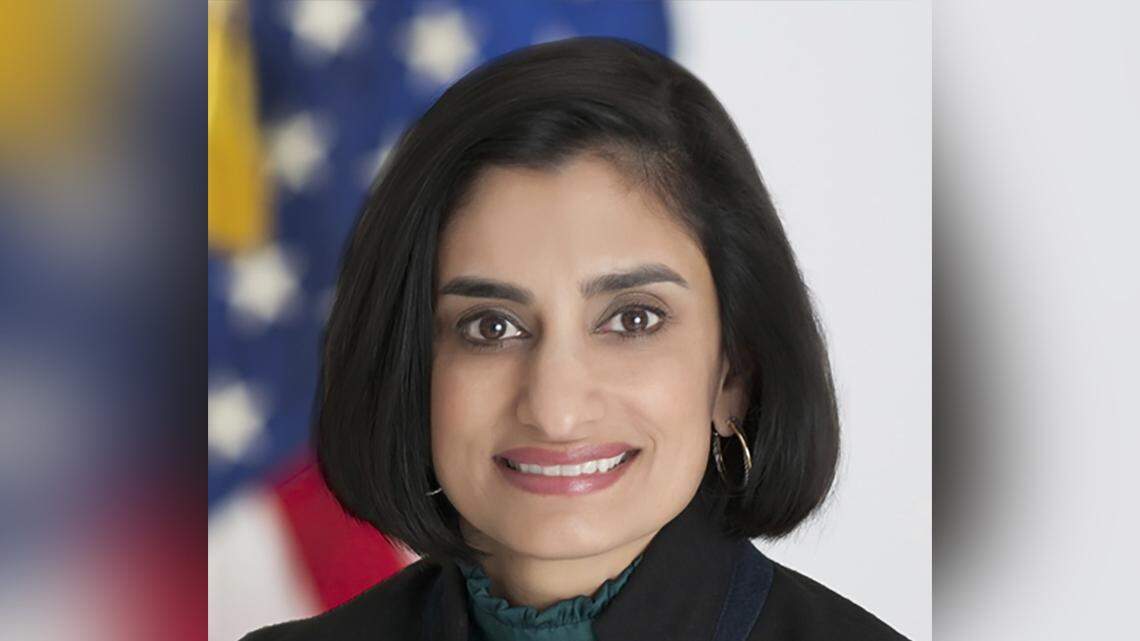
Seema Verma is administrator of the Centers for Medicare and Medicaid Services.
This story was originally published March 20, 2020 at 11:19 AM with the headline "The Trump administration is expanding health care in Americans’ homes – commentary."