Hurricane season has arrived. Use these checklists to prepare home, family
AI-generated summary reviewed by our newsroom.
- South Mississippi residents should prepare for Atlantic hurricane season starting June 1.
- Colorado State University forecasts 13 named storms and six major hurricanes.
- Homeowners should strengthen roofs, doors, and windows to reduce wind and water damage.
Hurricane season starts today, which is a good time for South Mississippi residents to ensure they’re prepared.
Lives and property are at stake when a tropical storm or hurricane hits, unleashing high winds, heavy rain and storm surge. While hurricane season starts June 1 and ends Nov. 30, there’s still time to get ready. The Atlantic hurricane season peaks Sept. 10, with the most active period between mid-August and mid-October, according to the National Oceanic and Atmospheric Administration.
Activity is expected to be below normal for the 2026 hurricane season, according to the annual forecast from Colorado State University meteorologists. They predict six hurricanes — two of them major — and a total of 13 names storms, which would include tropical storms.
“As with all hurricane seasons, coastal residents are reminded that it only takes one hurricane making landfall to make it an active season,” the CSU forecast summary said. “Thorough preparations should be made every season, regardless of predicted activity.”
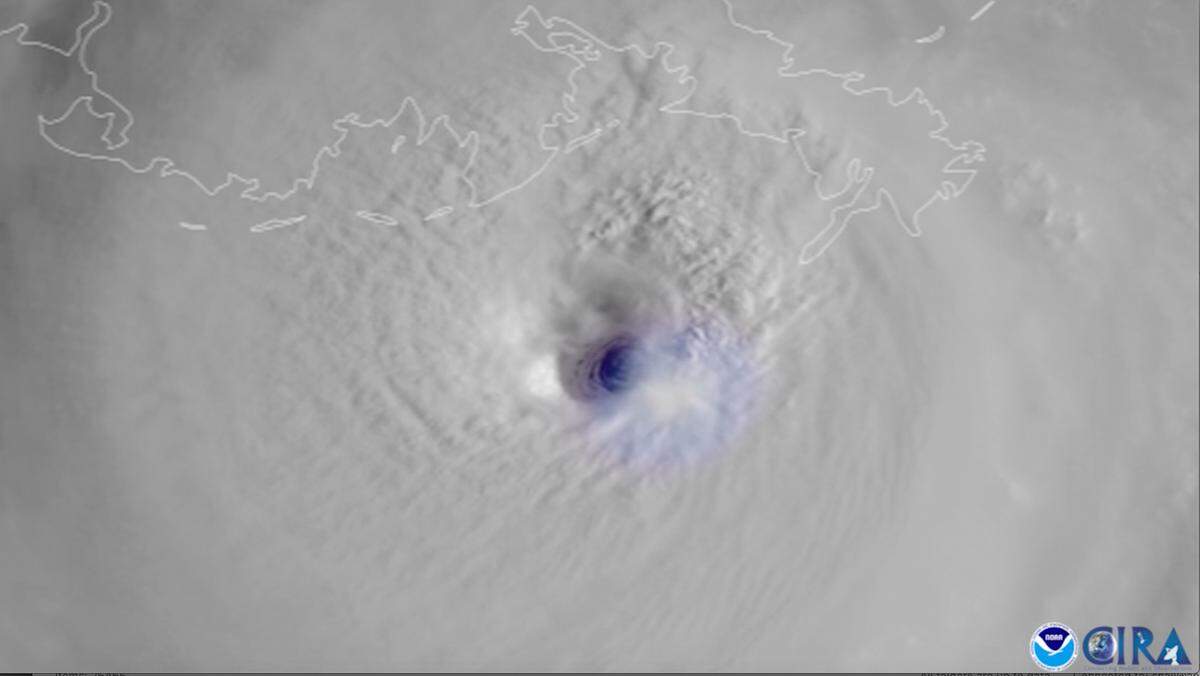
Pre-hurricane checklist
NOAA and other sources, including the Federal Emergency Management Agency and Mississippi Insurance Department, offer guides to hurricane preparations. Important preparations to include:
- Identify your risk. Check flood risk here to find out if your property is vulnerable to flooding or storm surge, depending on a hurricane’s category.
- Review your insurance to see if you need a flood policy and remember that National Flood Insurance Program policies, the most common available, have a 30-day waiting period. FEMA maps flood risk by address here.
- For insurance purposes, create a home inventory of your possessions through a list, photos and/or video. You’ll find guidance here.
- Find your evacuation zone and develop an evacuation plan.
- Put together an evacuation kit. The Federal Emergency Management Agency offers a list here of what you’ll need.
Prepare home for wind, surge
Building components most likely to cause maximum damage when they fail during severe storms include roofs, garage doors and windows
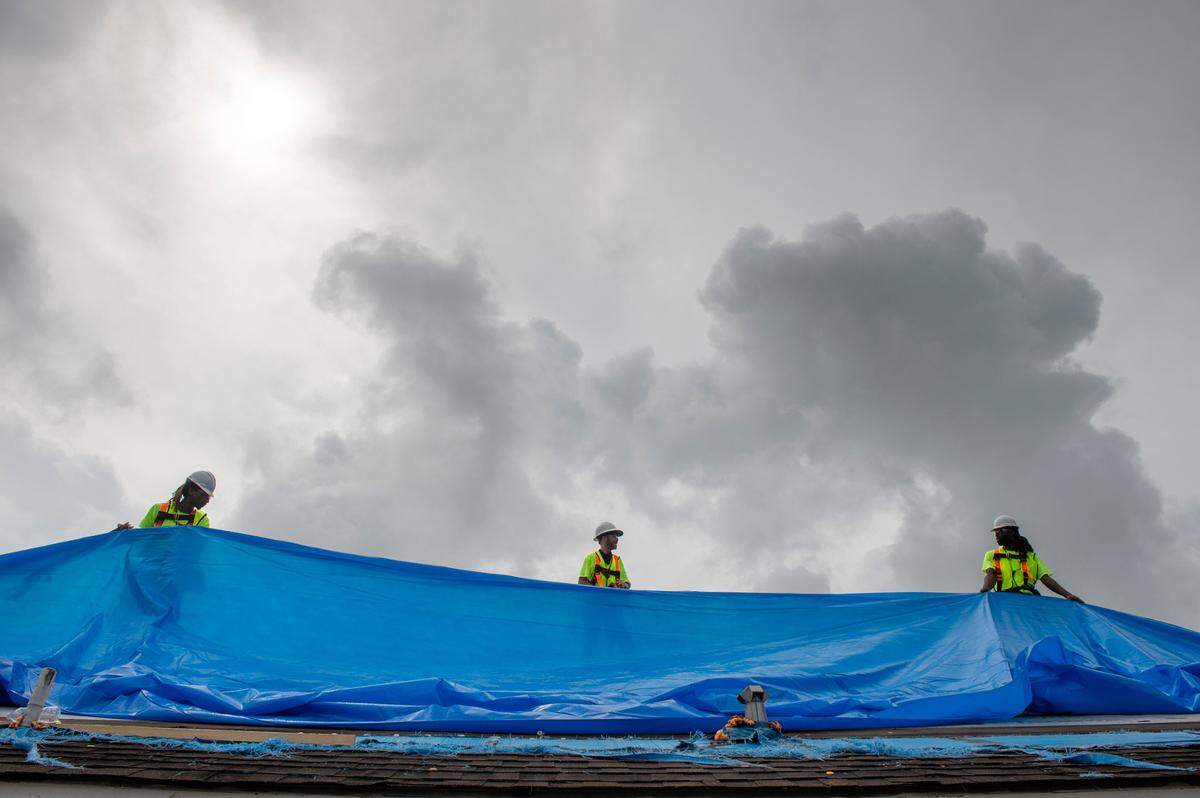
The roof is the first line of defense in a hurricane. Some Gulf states offer grants to help qualified homeowners strengthen their roofs. Mississippi is expected to roll out a program this summer on a first-come, first served basis. Roof strengthening guidelines come from the Insurance Institute of Business & Home Safety, which the insurance industry funds.
“High winds can lift roof coverings, loosen shingles, and in more severe cases, remove sections of the roof deck,” a news release from IBHS says. “Even small failures can allow water to enter, leading to costly damage inside the home. Strengthening the roof system and ensuring all components are properly installed and maintained is critical to reducing risk.”
The nonprofit organization offers these tips:
- Check roof coverings and make sure they are in good condition, which includes securing any loose shingles.
- Clear debris from gutters and downspouts so they drain properly.
- Trim trees.
- Reinforce garage doors to withstand wind pressure that can lead to interior damage.
- Prevent water intrusion by sealing gaps and openings
- Install storm shutters or impact-resistant windows.
- Secure outdoor items to avoid flying debris.
“During strong coastal storms, weak points like windows, doors or garage doors can give way,” according to IBHS. “Once that happens, wind-driven rain can easily get inside the home and cause significant damage property.”
This story was originally published May 14, 2026 at 5:00 AM.