
Hurricane experts: We guessed too low. This year is going to be even worse than we thought
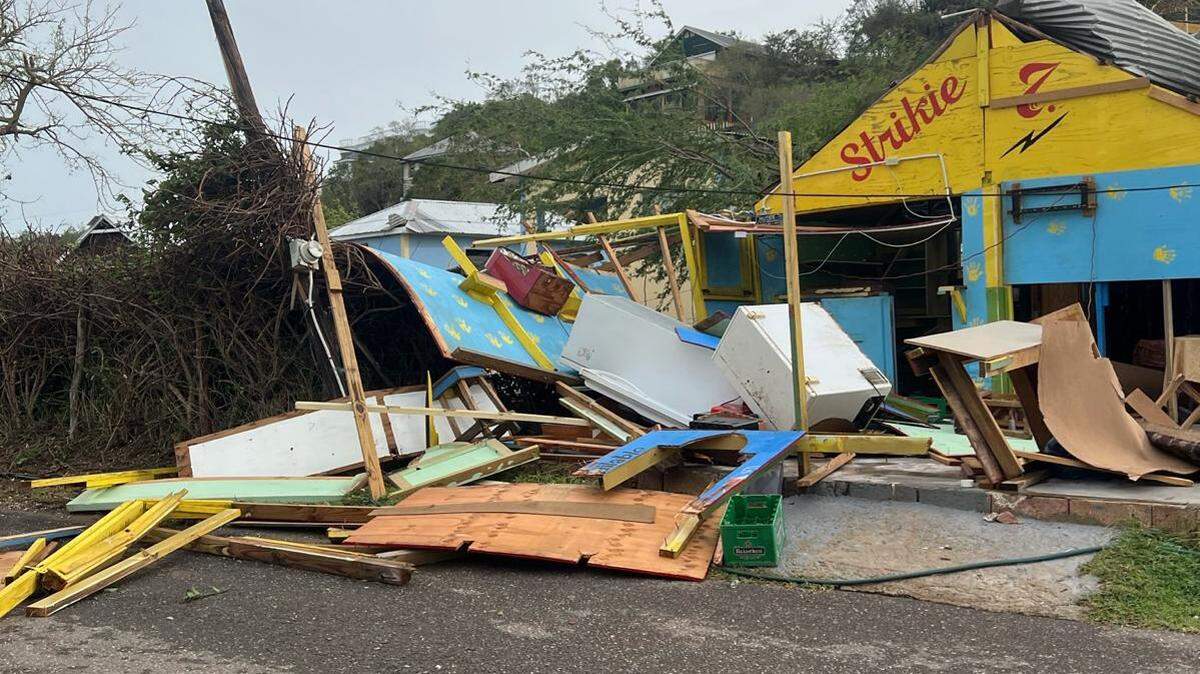
Colorado State University researchers are predicting that the 2024 Atlantic hurricane season will be more active than previously expected, according to their July forecast released Tuesday.
The new CSU prediction says there will be 25 named storms, with 12 forming into hurricanes and five becoming a major hurricane, meaning a Category 3 or higher. In June, CSU researchers said that there would be 23 named storms, 11 hurricanes and five major hurricanes.
Between 1991 and 2020, an average season has consisted of 14 named storms, seven of which become hurricanes and three that form into major hurricanes.
CSU experts noted that this forecast comes with “above-normal confidence,” while pointing out that the Atlantic and Caribbean remain at record-warm temperatures. It also said that Hurricane Beryl, a Category 1 hurricane that made landfall on the Texas coast overnight Monday, foreshadows a busy season ahead.
Over the past nine years, Colorado State has admitted that their predictions, especially this early in the season, are not always accurate. The estimates are supposedly correct 64% of the time.
The National Oceanic and Atmospheric Administration released a similar forecast in May, predicting that there would be 17 to 25 named storms, 8 to 13 hurricanes and 4 to 7 major hurricanes that would reach Category 3 and higher.
The estimates provided by the administration were “the highest NOAA has ever issued for the May outlook,” according to NOAA administrator Rick Spinrad.
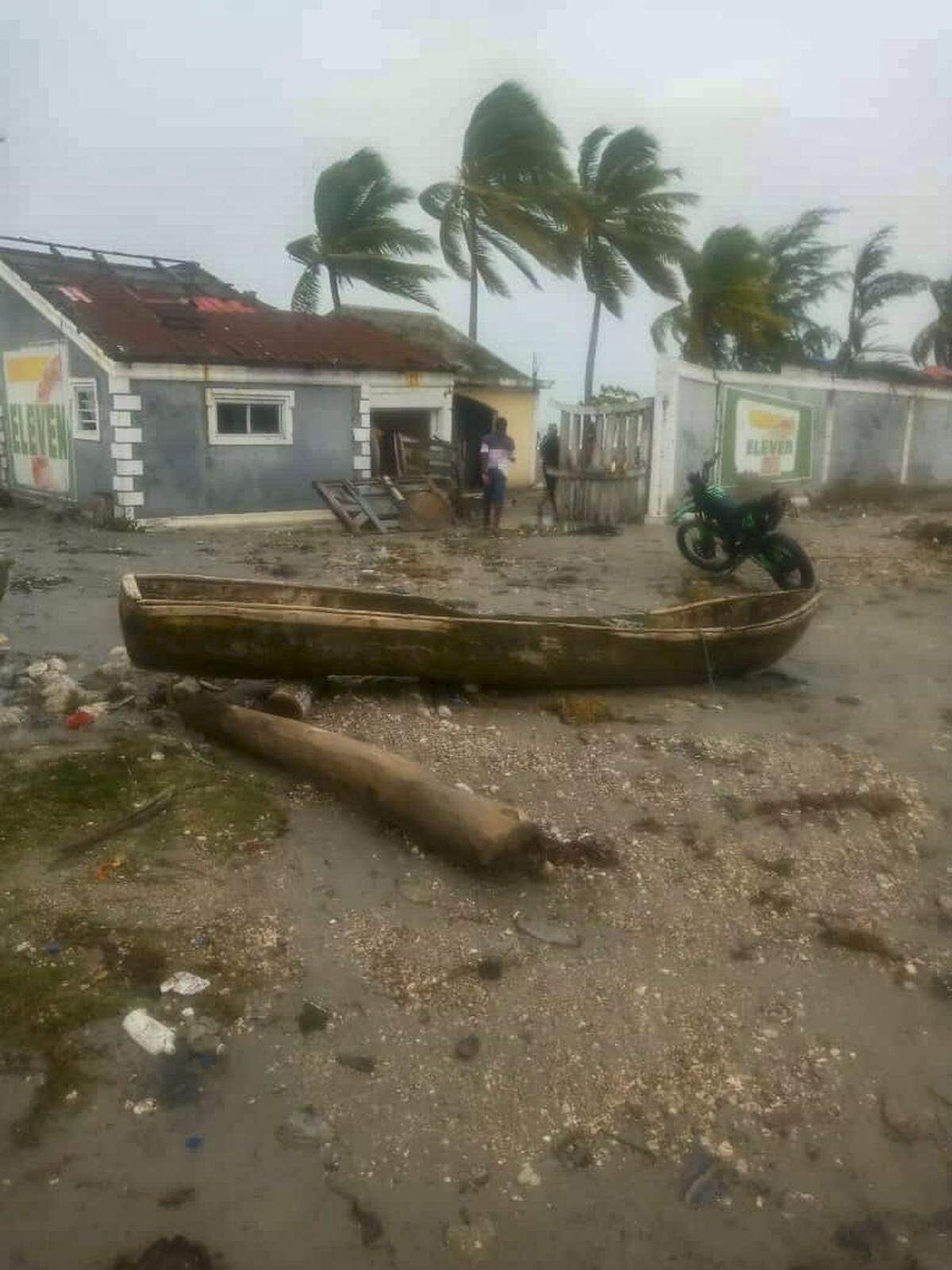
Chance of Gulf landfall
CSU experts say that areas within a 50-mile radius of Florida are at the highest risk of named storms and hurricanes.
The probability of a storm landing within a 50-mile radius of Louisiana is 80%, according to the forecast, and the likelihood is lower for hurricanes at 52%. There is a low chance of a major hurricane making landfall near Louisiana, or 21%.
According to the report, major hurricanes this season are likely to make major landfall along the continental United States coastline and in the Caribbean.
Recent storm activity
Since June 1, or the start of hurricane season, there have been three named storms: Alberto, Beryl and Chris.
On June 19, Tropical Storm Alberto formed in the Gulf, nearly three hundred miles southeast of Brownsville, Texas, after spinning in the Bay of Campeche for days.
Before making landfall on Monday, Hurricane Beryl broke records after becoming the earliest Category 4 hurricane to form in the Atlantic. The storm battered parts of the middle and upper Texas Gulf Coast and Eastern Texas with intense rainfall, life-threatening storm surge and damaging winds.
Last week, a tropical depression formed into Tropical Storm Chris in the Gulf, bombarding portions of eastern Mexico with heavy winds and rainfall.