
2024 hurricane season off to slowest start in a decade. Here’s a look at the last 10 years
The first named storm of the 2024 Atlantic hurricane season was christened Wednesday, with Potential Tropical Cyclone One becoming Tropical Storm Alberto. Forecasters have warned the system could bring rain and minor coastal flooding to South Mississippi, even though its predicted landfall is hundreds of miles away.
Regardless, this was the latest in the season that we made it without a named storm since 2014, when powerful Arthur kicked the hurricane season off with a Category 2 storm.
Here is a look at the first storm from the past 10 Atlantic hurricane seasons, with the dates of the first named storm, along with damages and deaths that were recorded.
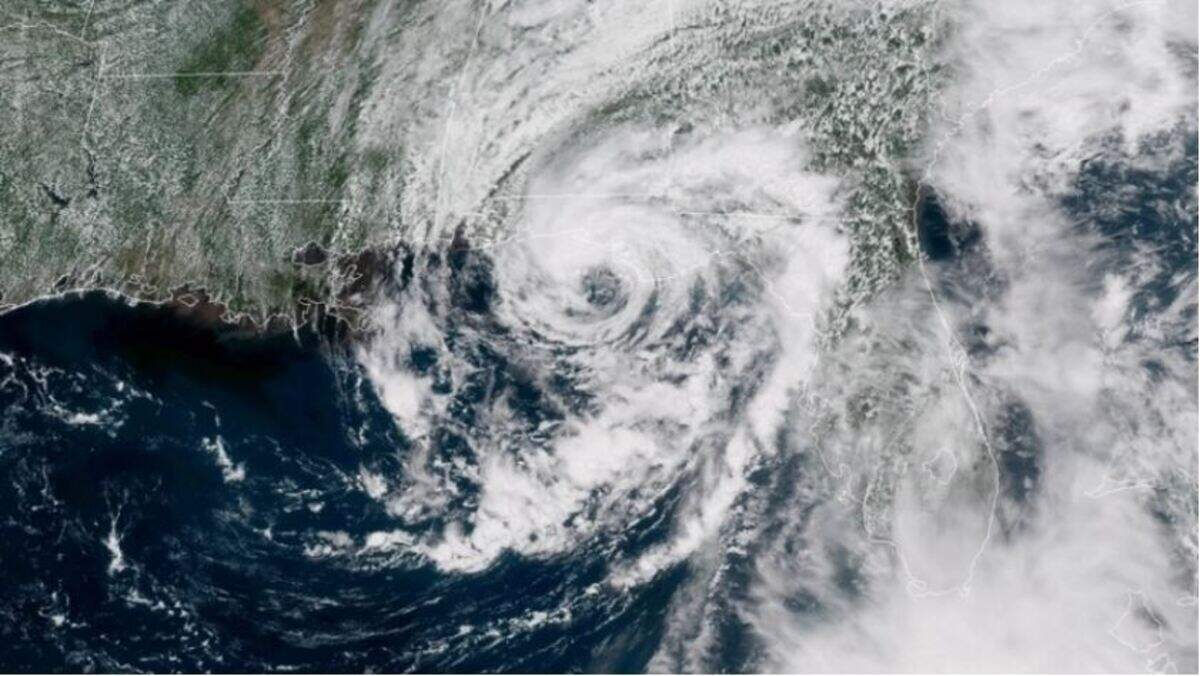
2023: Arlene, June 1 to 3
A subtropical storm with maximum sustained winds of 70 mph, Arlene struck Western Cuba and South Florida, but did not cause any reported damage.
2022: Alex, June 5 to 6
A tropical storm with maximum sustained winds of 70 mph, Alex made landfall in Bermuda, the Northern Bahamas, Cuba, Florida and the Yucatan Peninsula. The storm killed four people and caused more than $100,000 in damage.
2021: Ana, May 22 to 23
A tropical storm with maximum sustained winds of just 45 mph, Ana struck Bermuda, but did not cause any reported damage.
2020: Arthur, May 16 to 19
A tropical storm with maximum sustained winds of 60 mph, Arthur did not make landfall, but approached land closely enough to cause more than $110,000 in damage. Arthur ultimately passed within 20 miles of Cape Hatteras, N,C.
2019: Andrea, May 20 to 21
A subtropical system with maximum sustained winds of 40 mph, Andrea most closely approached Bermuda, but did not cause any damage.
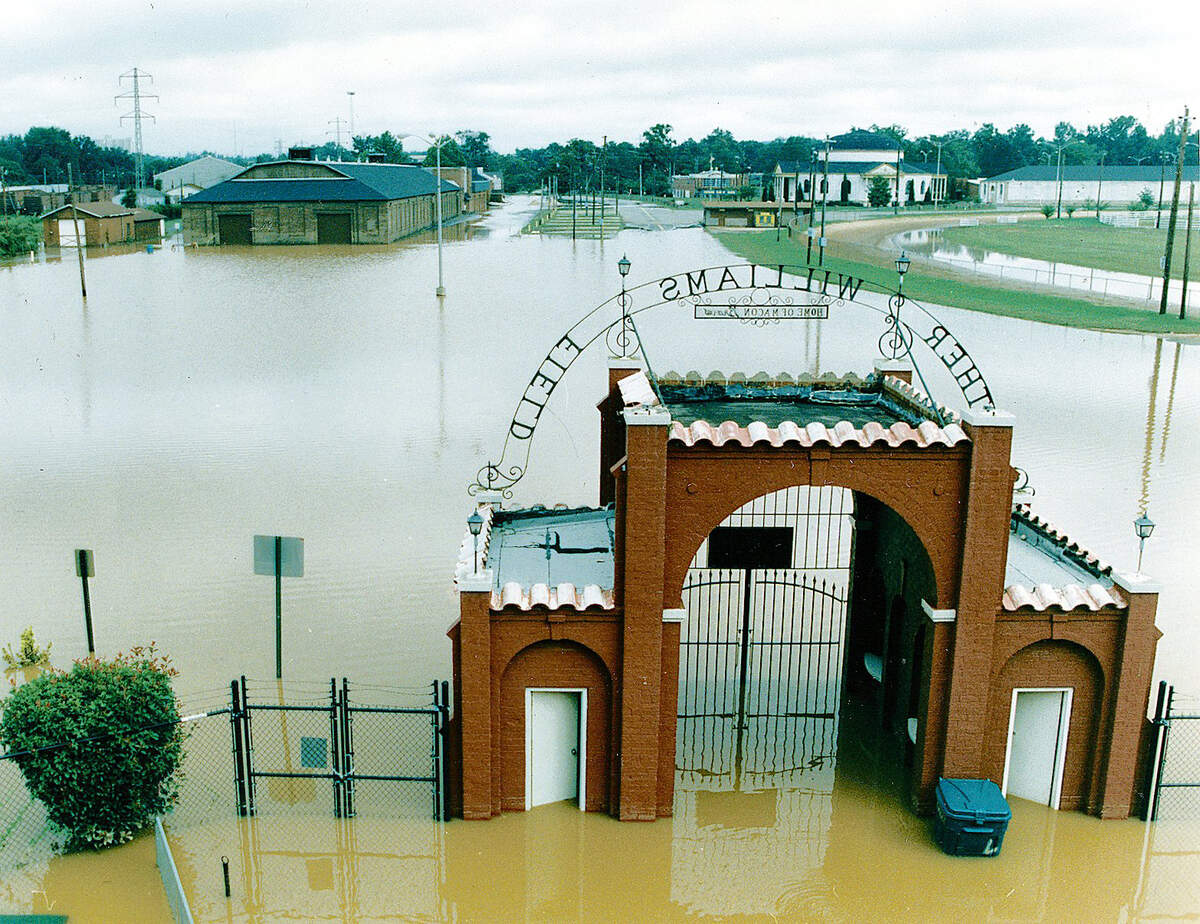
2018: Alberto, May 25 to 31
While Alberto never reached hurricane status, and its maximum sustained winds never exceeded 65 mph, the storm caused 18 deaths and more than $125 million in damage. Alberto developed in the Gulf of Mexico near the Yucatan Peninsula, and made its way north, with a landfall near Laguna Beach, Fla. Alberto passed through the entire United States, dissipating over Ontario, Canada.
2017: Arlene, April 19 to 21
A tropical storm with maximum sustained winds of 50 mph, Arlene never threatened land.
2016: Alex, January 12 to 15
An exceptionally rare January hurricane, the first of its kind since Alice in 1955. Alex was born near the Bahamas and passed near Bermuda before dissipating in the Atlantic Ocean. Damage from the storm was minimal and there were no deaths.
2015: Ana, May 8 to 11
A tropical storm with maximum sustained winds of 60 mph, Ana formed off the east coast of Florida. The storm moved north, making landfall near North Myrtle Beach, S.C. Two deaths are attributed to the storm in North Carolina.
2014: Arthur, July 1 to 5
A hurricane that reached Category 2 status, with maximum sustained winds of 100 mph, Arthur caused nearly $40 million in damage and 2 deaths. Arthur gained Tropical Storm status over Grand Bahama, and would become the earliest storm on record to make landfall in North Carolina, coming ashore at Shackleford Banks.
This story was originally published June 19, 2024 at 5:00 AM.