Could hurricane season be ramping up? Here is what two Farmer’s Almanacs say.
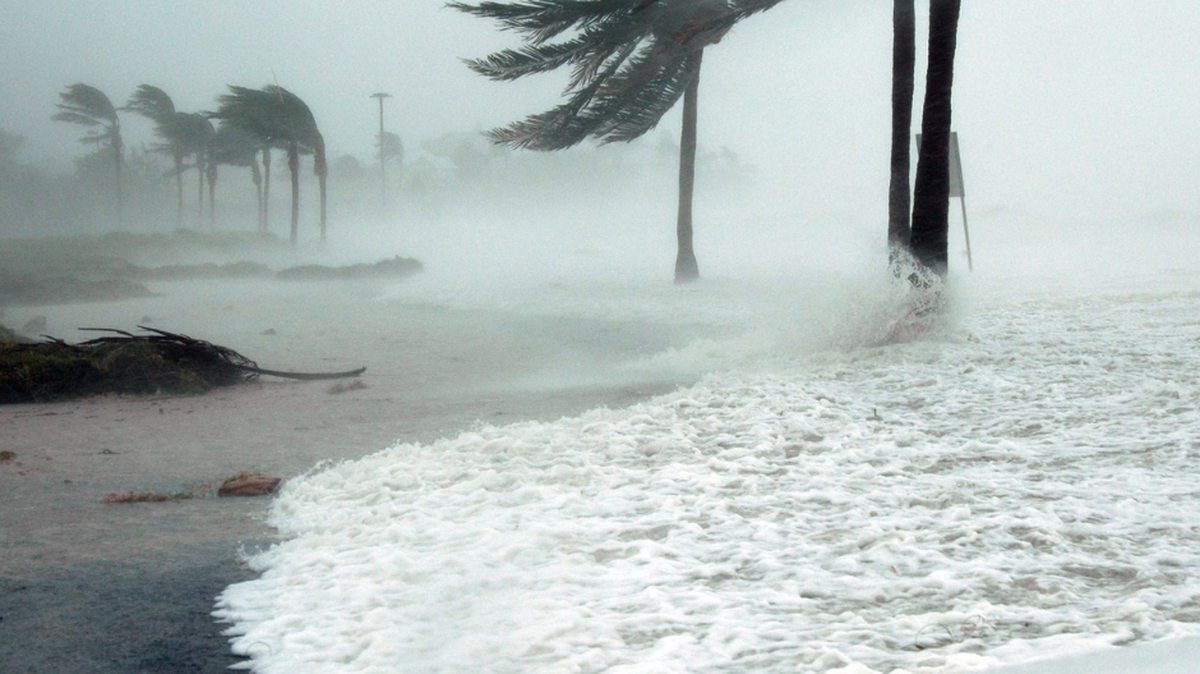
It has been a quiet hurricane season in Mississippi thus far. But, the state is not out of the woods just yet.
From Camille to Katrina, August has not historically been kind to the Gulf Coast. But few can remember a destructive fall hurricane. The season lasts until the end of November and two Farmer’s Almanacs are seeing a rough end to the season in the Southeast.
Both the Farmers’ Almanac and the Old Farmer’s Almanac are showing signs of hurricane activity in the near future.
Want to know more about what the almanacs say about the potential for hurricanes in the near future? And what’s the difference between the two almanacs?
We have answers to those questions and more below.
Farmers almanacs predict ‘hurricane threat’ mid-September
Both the Farmers’ Almanac and the Old Farmer’s Almanac — yes, there’s a difference, which we’ll explain below — are predicting a “hurricane threat” to reach the Southeast, possibly including Mississippi, in mid-September.
While both almanacs provide sparse details about the possible storm, here’s what they’re predicting:
▪ The Farmers’ Almanac is predicting the threat to occur between Sept. 12-15. The almanac describes the period as “unsettled,” and says the hurricane threat is likely for the Atlantic Seaboard.
Rainy conditions may stick around, the almanac says, as it predicts “showery, then clearing” conditions in the days immediately following the hurricane threat, then “windy, rainy conditions” after that.
▪ The Old Farmer’s Almanac is predicting the threat to occur between Sept. 11-15. The almanac then predicts thunderstorms to stick around for most of the remainder of September.
Difference between Farmers’ Almanac and Old Farmer’s Almanac
While the Farmers’ Almanac and the Old Farmer’s Almanac have similar names and serve similar purposes, they are different publications.
Both almanacs tout an accuracy of about 80%.
▪ The Old Farmer’s Almanac is, in fact, older than the Farmers’ Almanac. The Old Farmer’s Almanac was first published in 1792 and, according to its website, it is the oldest almanac in America.
A new edition of the Old Farmer’s Almanac is released every September, and includes information about when to plant crops, the moon’s phases, weather forecasts and more, such as trivia and humor. The almanac’s website (almanac.com) also contains much of the same information.
Each edition of the publication “calculates the tides and times for fishermen, travelers, sailors, bookkeepers, beekeepers, gardeners, prognosticators, pollsters, politician, cooks, and really anyone who walks this Earth, including farmers,” the Old Farmer’s Almanac website reads.
The almanac makes its long-range weather forecasts “from a secret formula that was devised by the founder of this Almanac, Robert B. Thomas, in 1792,” the almanac’s website reads.
▪ The Farmers’ Almanac is a little newer than the Old Farmer’s Almanac, first beginning publication in 1818.
Similar to the Old Farmer’s Almanac, the Farmers’ Almanac provides long-range weather predictions, plus “informative articles, helpful planning calendars, and information on everything from the best days to garden and fish, quit a bad habit, plus natural home remedies.”
The almanac is published in print annually, and is also updated online at farmersalmanac.com.
The Farmers’ Almanac makes its annual predictions using a “set of rules” developed by astronomer David Young, the almanac’s first editor. The predictions are made two years in advance and are not changed or updated once an edition is published.
“The formula takes into consideration things like sunspot activity, tidal action of the Moon, the position of the planets, and a variety of other factors,” the almanac’s website reads.