
Gulf water temperatures are nearing records. What does it mean for the MS Coast?
AI-generated summary reviewed by our newsroom.
- Gulf of Mexico sea temperatures are nearing record highs this hurricane season.
- Forecasters are monitoring an Atlantic disturbance likely to form within a week.
- Scientists highlight late August as the Gulf’s peak ocean heat accumulation period.
The Gulf of Mexico is hot.
Temperatures this week are nearing record-levels — and forecasters say that could mean trouble in the peak of hurricane season.
There is no immediate storm threat in the Gulf. But the National Hurricane Center on Thursday was tracking a disturbance in the Atlantic Ocean that forecasters said will probably become a tropical depression or storm within a week.
It is too early to know where it might go. “To make it all the way to the mainland U.S. would be probably another two weeks,” Michael Lowry, a Florida meteorologist, wrote in a newsletter on Thursday. “And of course we have no way of knowing at this stage if that’s even a credible possibility.”
Still, scientists say the Gulf’s heat is excessive. Brian McNoldy, a researcher at the University of Miami, tracks Gulf temperatures in a series of graphs. The lines are all going up.
“The last week of August into the first week of September is the climatological peak of ocean heat content in the Gulf of Mexico,” McNoldy wrote on social media, “but the current area-average is at near-record levels, creeping up to 2024’s all-time record high.”
Scientists say climate change is warming the Gulf. Warm water can act like fuel on a fire if a hurricane churns through because the heat adds moisture and energy to storms and can make them grow stronger and faster.
A hot Gulf can also lead to rapid intensification, when hurricanes nearing the shallow water near land get stronger as they barrel toward the coast.
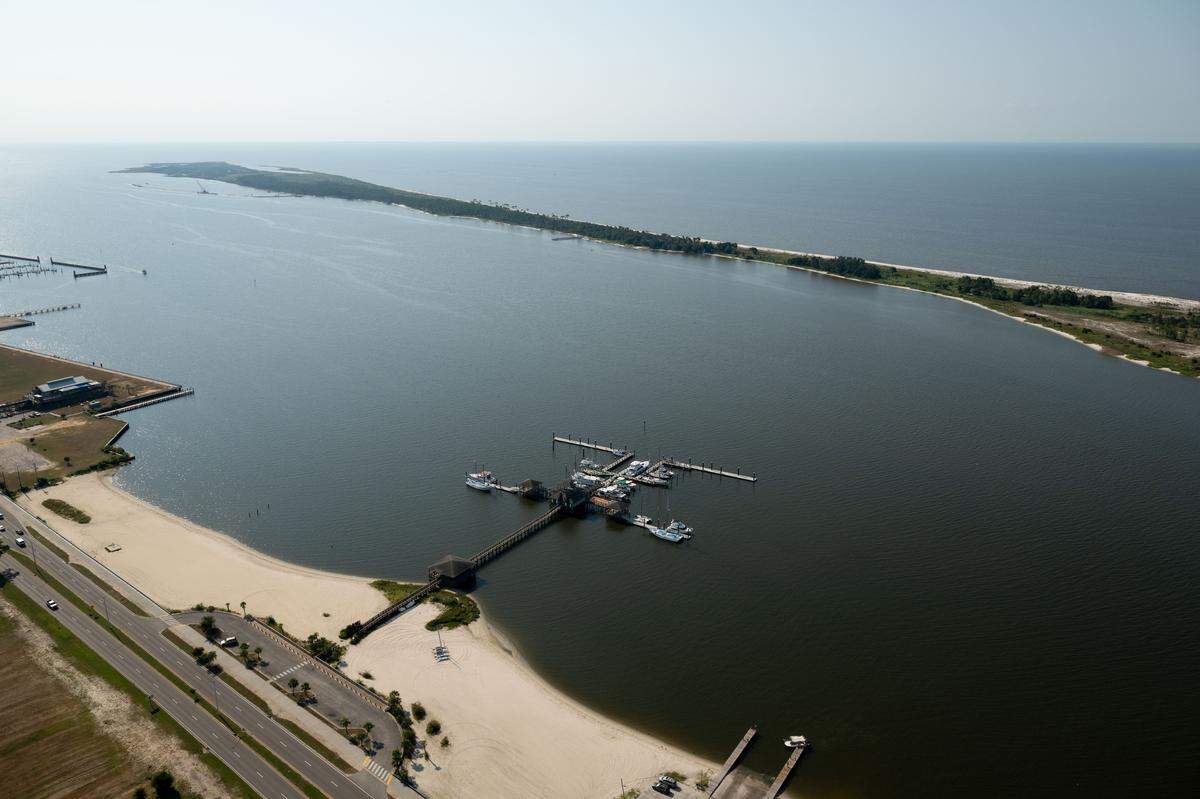
The water was 85 degrees on Wednesday at the Bay-Waveland Yacht Club and in Pascagoula, according to tide gauges monitored by the National Oceanic and Atmospheric Administration.
Jacob Zeringue, a meteorologist at the National Weather Service in Slidell, said Gulf temperatures were about 1 degree above normal.
The warmest water is in the southwestern Gulf, near the Bay of Campeche — far from the Mississippi Coast. In the Mississippi Sound and coastal Alabama, Zeringue added, “it’s closer to average temperature.”
This story was originally published September 4, 2025 at 11:44 AM.