
Get ready, MS Coast. Here’s how busy hurricane season will be, according to NOAA
AI-generated summary reviewed by our newsroom.
- NOAA forecasts 13 to 19 named storms during an above-normal hurricane season.
- Between six and 10 storms could become hurricanes, with up to five major events.
- Hurricane season runs June 1 to November 30, peaking from August to October.
National forecasters are predicting hurricane season will be busier than normal, again.
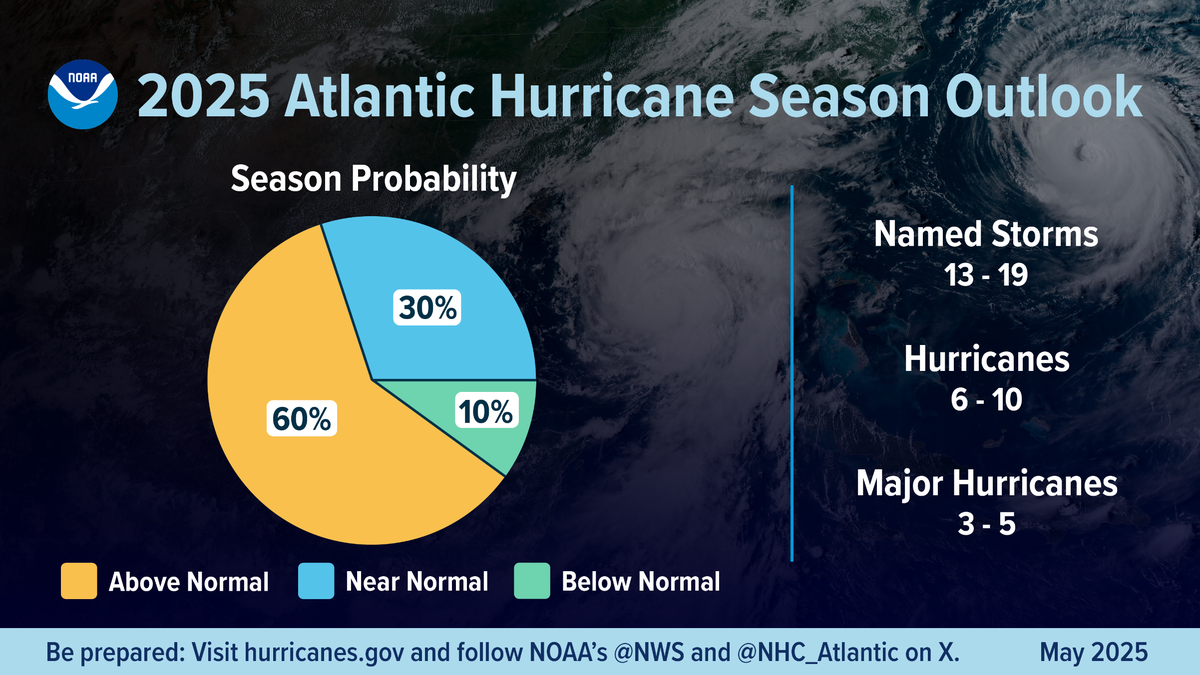
The National Oceanic and Atmospheric Administration is forecasting 13 to 19 named storms will form this year in the Atlantic. In a news conference Thursday morning, agency leaders pleaded that residents prepare early even though the warnings are less severe than last year.
“We’re ready for this,” said Ken Graham, director of the National Weather Service. “I need everyone in the country to be ready as well.”
NOAA forecasters are predicting six to 10 of the storms will become hurricanes and said three to five could be major hurricanes, which blast winds of 111 miles per hour or higher.
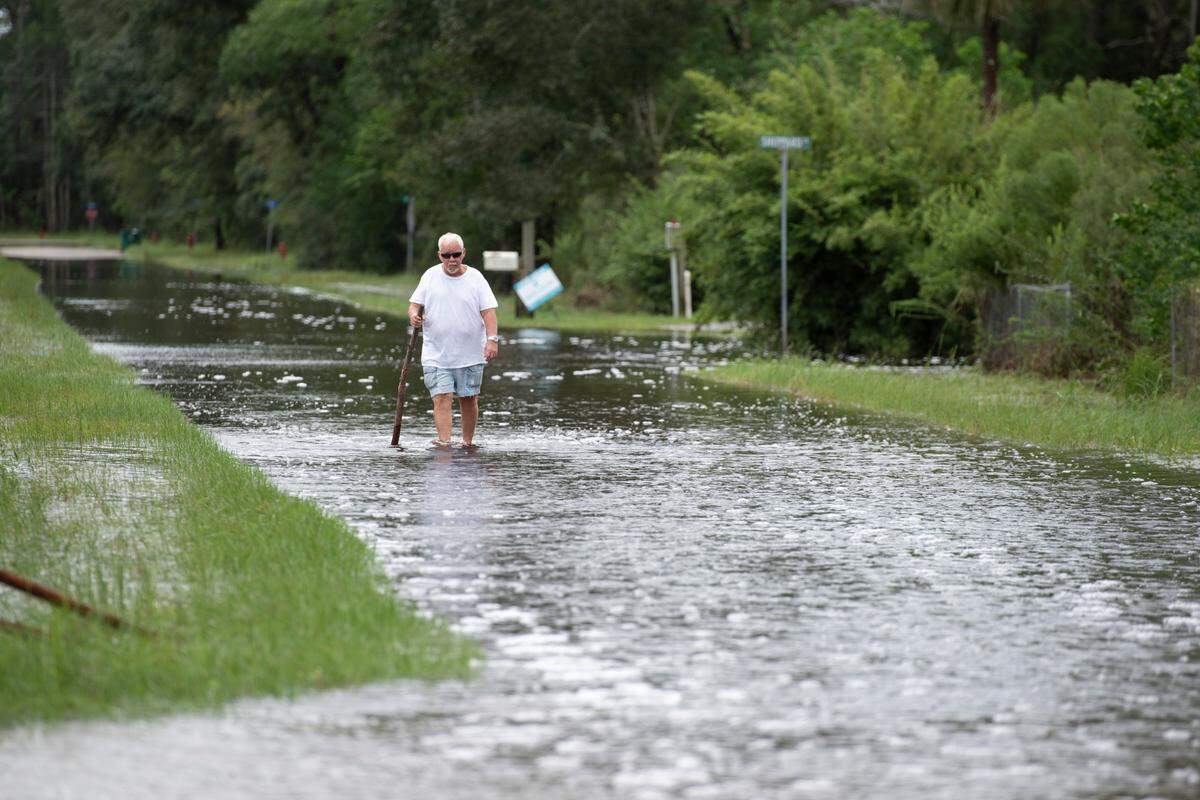
The forecast is a familiar alarm bell in South Mississippi, which has dodged direct hits in recent years. Hurricane Francine last year threatened the region but spared the Coast of all but strong winds, flooded roads and some power outages.
But the season was still extraordinary. Forecasters last May announced their highest predictions ever and said there would be 17 to 25 named storms in the Atlantic. By the end, 18 named storms had formed, 11 became hurricanes and five battered the United States with flooding and surge so dangerous that one storm, Hurricane Helene, became the deadliest to hit the country since Hurricane Katrina.
Acting NOAA Administrator Laura Grimm said the agency’s forecasts last year were “right on the money.”
Now, Grimm is leading the agency through turbulence. News outlets have reported that hundreds of National Weather Service and NOAA employees have retired or been fired this year as the Trump administration slashes the federal work force.
Grimm said Thursday that the National Hurricane Center is fully staffed.
“Every warning is going to go out,” Graham, the National Weather Service director, said. Asked if funding cuts would impact hurricane forecasting this season, he said “the answer is no.”
Why hurricane forecast is above normal
There is still a chance hurricane season will be quieter than predicted. NOAA said there is a 60 percent chance of an above normal season, 30 percent chance of a near normal season and 10 percent chance of a below normal season. Average hurricane seasons usually have 14 named storms, seven hurricanes and three major hurricanes.
Agency leaders said the forecast is rooted in several factors. Research shows climate change is making hurricanes stronger, and warmer than normal oceans can fuel storms like jet fuel. Weak wind shear forecasted this year could also let storms churn with no deterrent. And forecasters say the West African Monsoon, where many Atlantic hurricanes are born, could be more active this year.
Still, Atlantic temperatures in May are near average for the first time in two years, according to Michael Lowry, a meteorologist in Florida. “It’s an encouraging sign,” he wrote in a newsletter on Thursday, “that perhaps overall activity may encounter some guardrails this season.”
He also challenged agency leaders’ message on federal cuts: “Without question, the cuts being implemented or considered will weaken our ability to detect, forecast, and warn against hurricanes this season,” Lowry said.
NOAA also said it is making forecast upgrades. The agency is updating a model called the Hurricane Analysis and Forecast System and said the improvements would make tracking and intensity forecasts 5 percent more precise. The National Hurricane Center is also issuing tropical cyclone advisories up to 72 hours before storm surge or tropical storm force winds reach land. And that agency will keep using a new forecast cone graphic that shows inland threats.
NOAA held its Thursday press conference from New Orleans to honor the 20th anniversary of Hurricane Katrina this year. Hurricane season begins June 1 and ends November 30. The highest risk falls between August and October.
This story was originally published May 22, 2025 at 10:49 AM.