Mississippi’s cloudy forecast may hinder views of Monday’s solar eclipse. What to expect
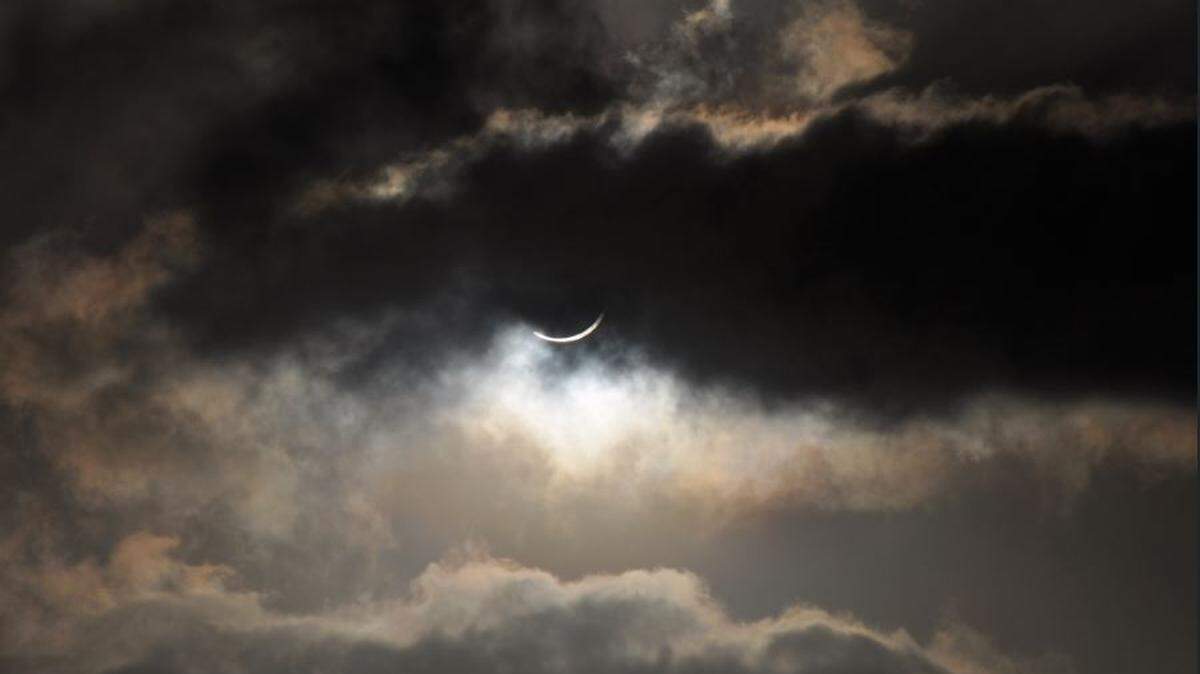
The Mississippi Coast may have to wait another 20 years to have a clear view of a total solar eclipse.
Mother Nature will mostly hide Monday’s event.
“Unfortunately, we do have a lot of clouds in the forecast,” said Danielle Manning, meteorologist with the National Weather Service. “Right now, we have a 60 to 70% chance of clouds during the eclipse.”
The total duration of the eclipse experience in Mississippi will be around two hours and 38 minutes, but will be considerably shorter when you factor in the clouds.
But don’t throw out your eclipse viewing glasses just yet. Manning said there will be opportunities to catch a glimpse of the eclipse through breaks in the clouds.
“We won’t have completely overcast skies,” she said.
The interactive map by National Solar Observatory (NSO) shows the exact path of the total solar eclipse will be northwest of the Mississippi Coast, which means Biloxi and neighboring areas will have a view that will look like the sun has a big chunk out of it.
On the coast, the eclipse will be a partial solar eclipse ranging between 81.54% in Diamondhead to 79.51% in Moss Point and NSO experts say that “some may not notice.”
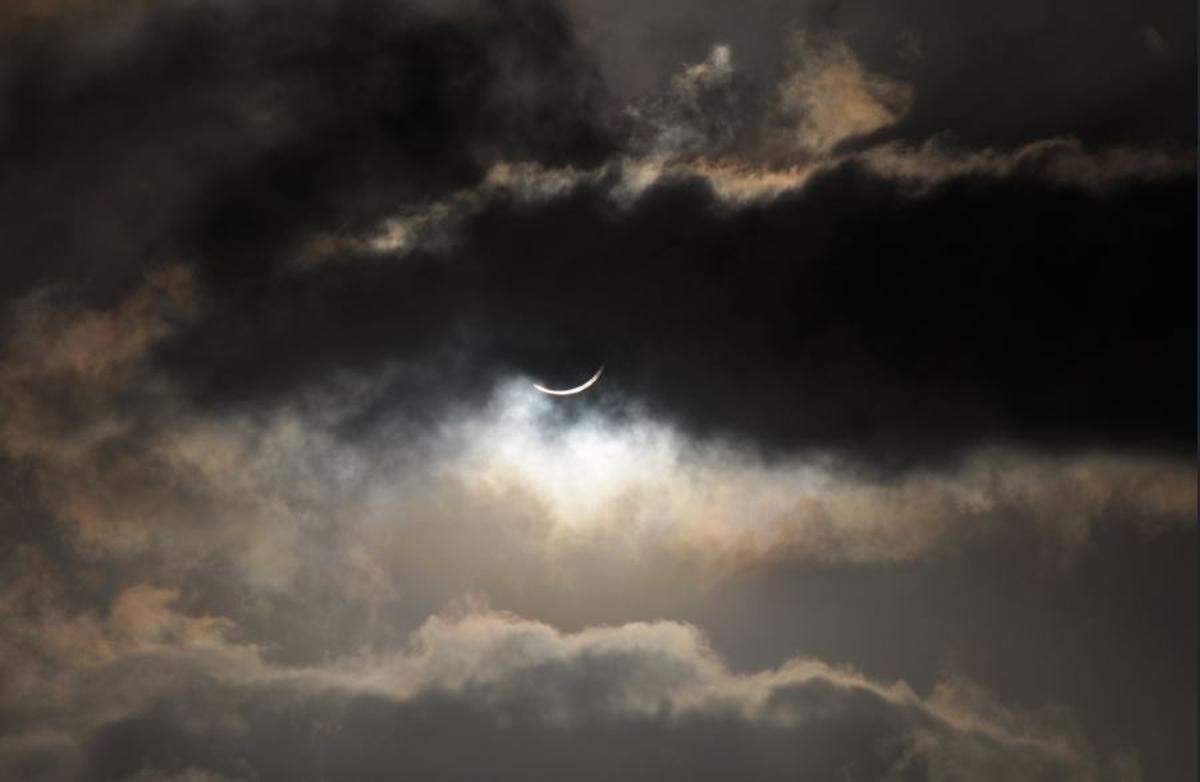
Partial visibility is expected to start at 12:32 p.m. with a possible maximum viewing experience at 1:52 p.m., and wrap up at 3:11 p.m.
Whether you take a peek through the clouds or wait for a break in them, Manning said to watch safely. Use solar viewing glasses, a solar-safe telescope or a pinhole projector.