
How bad would a Category 4 hurricane be for the Gulf Coast? Here’s what a storm can do
Any hurricane can leave unexpected wreckage behind, but there are levels to just how strong a storm can be.
As meteorologists continue monitoring Ian, they expect it to become a major hurricane before making landfall in Florida early next week.
The storm is forecast to rapidly intensify in the Caribbean Sea and Gulf of Mexico. Ian will likely be a Category 4 storm for at least 24 hours, but will weaken before landfall.
The possible Category 4 storm could bring “catastrophic damage,” according to the National Hurricane Center. Here are some of the threats that the hurricane could pose in Florida.
Here’s how a Cat 4 storm could affect the Gulf Coast region.
Strong wind speeds
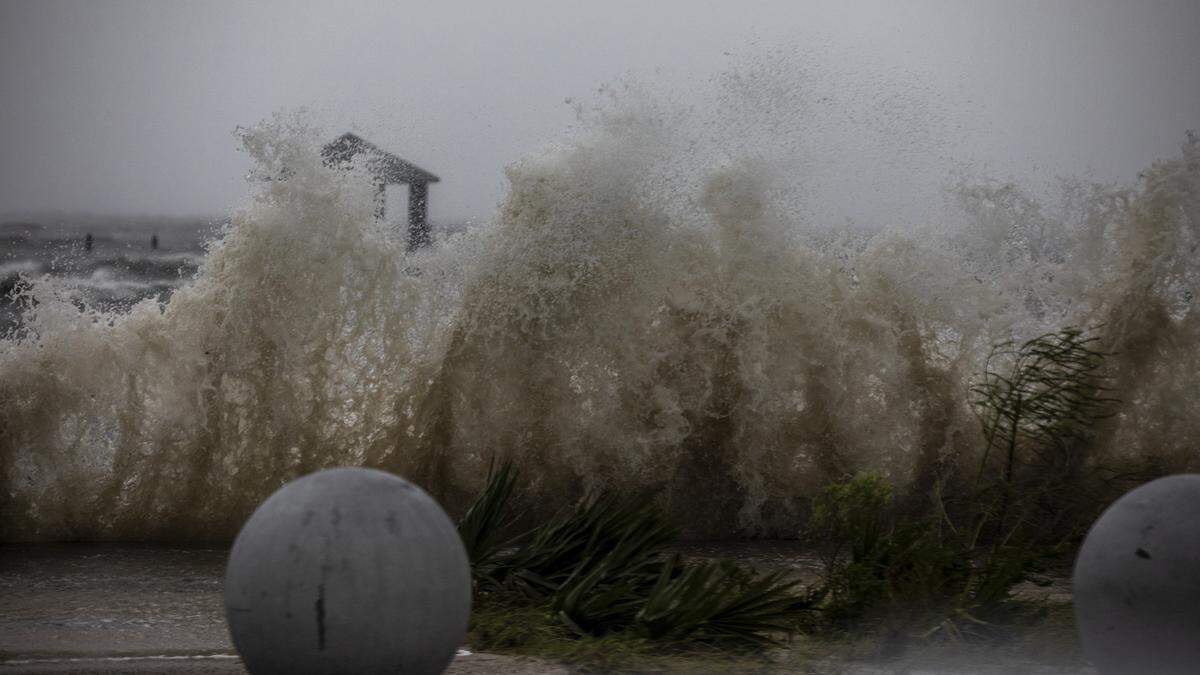
Hurricanes are ranked on a scale from Category 1 to Category 5, with five being the strongest storm possible. A Category 3 storm qualifies as a “major” hurricane with sustained wind speeds between 130 and 156 mph
Weather experts say a Category 4 hurricane’s wind force brings a “high risk of injury or death” due to the amount of debris falling and flying through the air.
The wind and the flying debris from a Category 4 storm could destroy or cause major damage to houses. “Well built framed homes can sustain severe damage with loss of most of the roof structure and/or some exterior walls,” according to the National Hurricane Center.
In a video prepared by the Weather Channel, meteorologist Mark Elliot explained that Category 3 hurricane winds can be strong enough to blow in the door of a building or rip the siding from a house.
Knocked down trees
Trees are also likely to be uprooted or snapped, causing roadblocks. A downpour of heavy rain can also make roads difficult to navigate.
Falling trees can also knock down power lines, leading to extended power outages while utility workers wait for conditions to improve before sending crews out to begin repairs.
“Most trees will be snapped or uprooted and power poles downed” in a Category 4 hurricane, the NHC says. “Fallen trees and power poles will isolate residential areas. Power outages will last weeks to possibly months. Most of the area will be uninhabitable for weeks or months.”
Deadly storm surge flooding
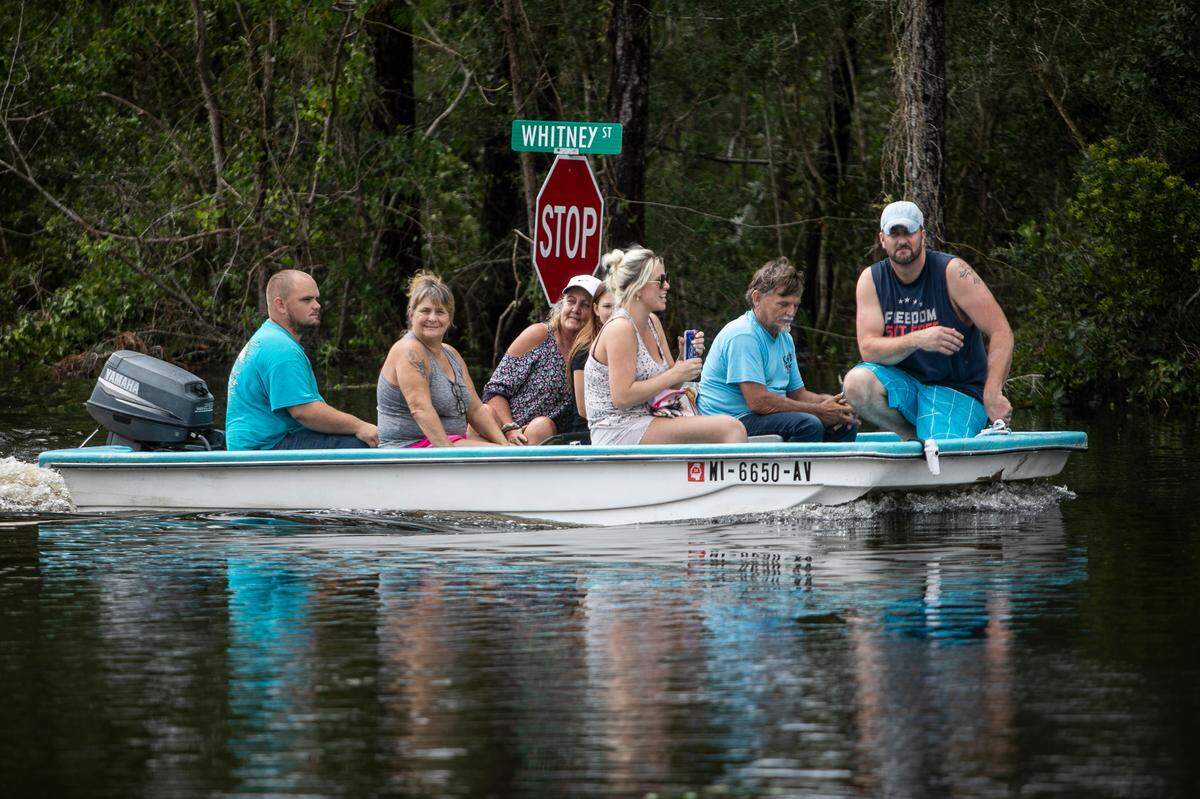
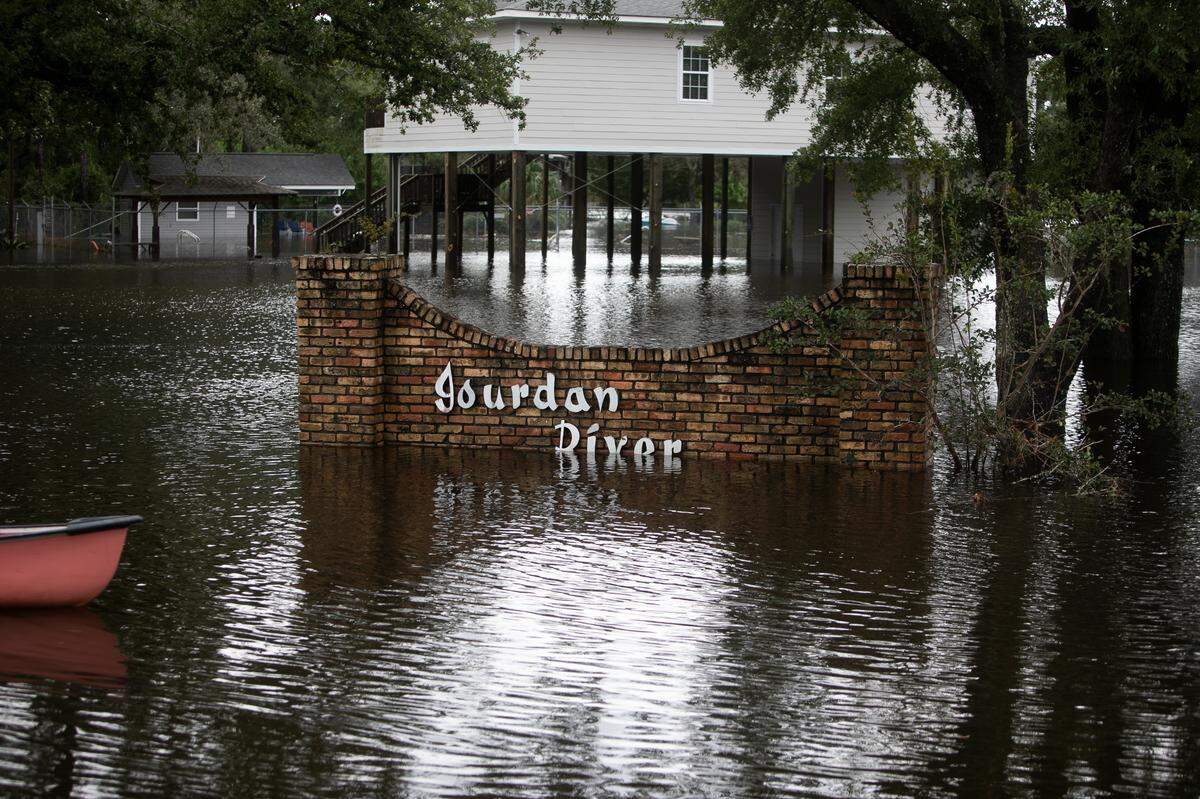
The most dangerous part of any hurricane is the heavy flooding caused by water pushed onshore by an incoming storm, which is known as storm surge. Nearly half of all hurricane-related deaths can be attributed to storm surge, NHC officials say.
“With much of the United States’ densely populated Atlantic and Gulf Coast coastlines less than 10 feet above mean sea level, the danger from storm surges is tremendous,” the National Oceanic and Atmospheric Administration wrote in a hurricane guide.
What were other Category 4 hurricanes?
Hurricane Charley made landfall near Ft. Meyers, Florida, as a Category 4 hurricane in 2004. With maximum wind speeds of 150 mph, it was one of the strongest storms to ever affect the U.S.
Hurricane Gustav was the second most destructive hurricane of the 2008 season. Gustav left damage and casualties behind in Haiti, the Dominican Republic, the Cayman Islands, Cuba and the United states, according to reports. The storm left $8.31 billion in damage behind.
U.S. landfall was in Louisiana and the hurricane caused issues all the way to Alabama, the National Weather Service says.
Many parts of Louisiana still haven’t recovered from deadly Hurricane Laura in 2020. The storm rapidly intensified in the Gulf of Mexico before landfall and caused more than $19.1 billion in damage in 81 deaths.
Hurricane Katrina is the only storm in history to cause more damage in Louisiana than Ida in 2021. While Katrina destroyed much of the Mississippi Coast on August 29, 2005, the Magnolia State fared better on the same day in 2021. While many parts of Louisiana were decimated by Hurricane Ida, the Coast saw severe weather, tornadoes, the loss of some homes and significant storm surge and flooding. Floodwaters from Ida also contributed to deadline highway collapse in George County.
Ida caused $44 billion in damage and killed 107 people.
How can you prepare?
But a hurricane’s category never tells the full story. Due to various factors, such as size, speed and direction, weather experts say every storm is different.
“Each tropical system can bring a variety of unique, life-threatening hazards to a given location,” NOAA warns. “Even if you’ve previously survived a storm in your area, future hurricanes may bring different hazards.”
The most important thing you can do to prepare for a storm is follow local updates and begin preparing a hurricane plan as soon as possible. While the latest storm approaches, experts say there is still time to gather supplies and get ready.
“It is important that you take this threat seriously and begin to execute your hurricane plan in a calm and orderly fashion while there’s still time to get ready. Don’t panic. There’s still a lot of time,” Acting NHC Director Jamie Rhome said Friday. “Just move through your hurricane plan slowly and calmly.”
Sun Herald editor Justin Mitchell contributed to this report.