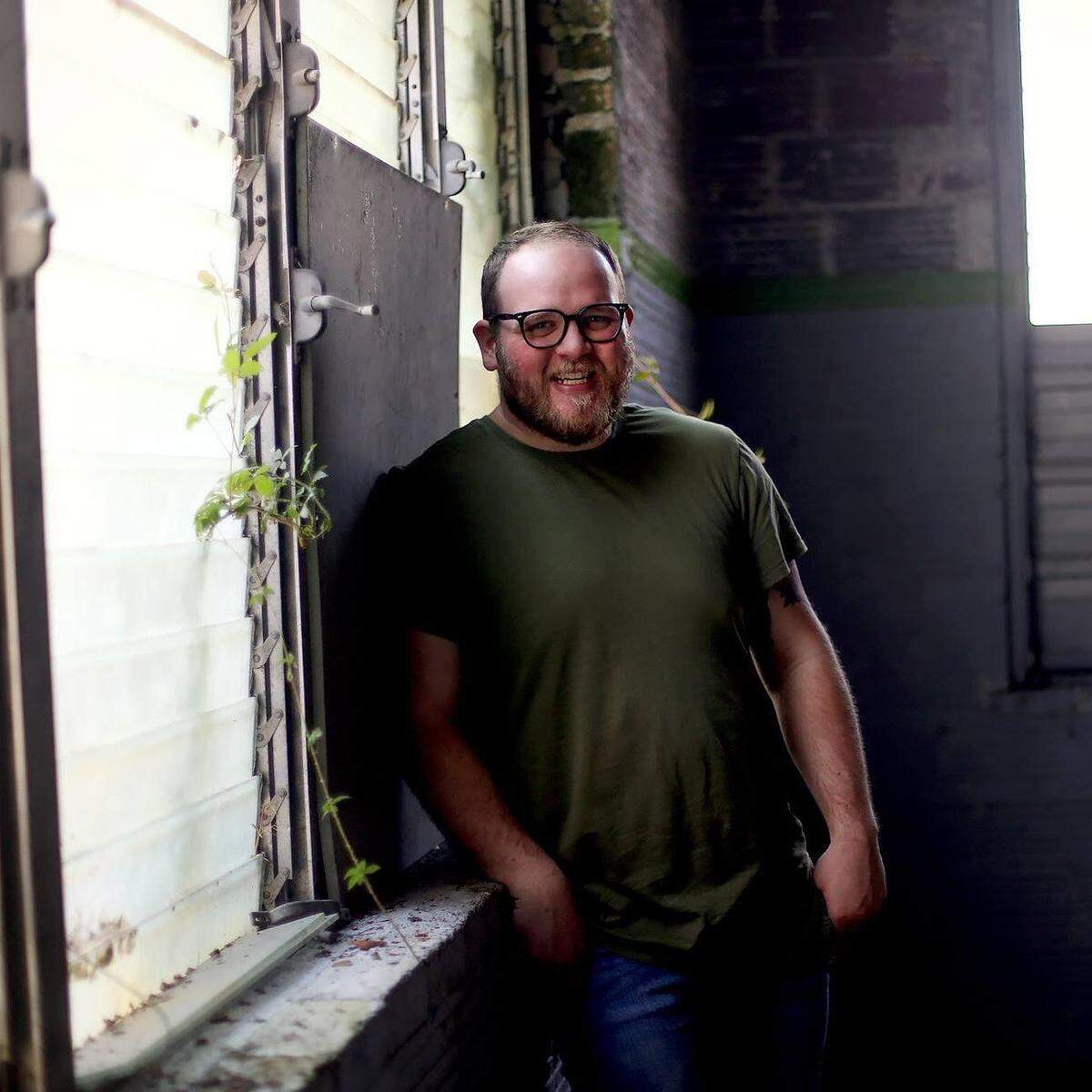
With phones down and families frantic, Sun Herald’s ‘I’m OK’ tool became Katrina lifeline
Don Hammack slept on the floor near his desk, although he didn’t get much rest in the few weeks after Aug. 29, 2005.
The then-sports reporter traveled into the eye of Katrina with emergency officials before joining many other journalists in camping out at the former Sun Herald newsroom on DeBuys Road after the winds died down and surge receded. Katrina left destruction and devastation behind.
Hammack, though, shifted away from his usual duties to run the Eyes on Katrina blog in the first few weeks after the storm. The point was to keep the Coast informed of real-time about news, big and small, and it turned into a way for residents to communicate with each other while phone lines were down. The Sun Herald did something similar for storms in years past, but never for a hurricane with as much strength and fury.
Hammack, who said he crawled in a donated sleeping bag and slept a few hours each night, was always near his computer and ready to work.
“I updated the blog whenever there was news to post,” he said. “We didn’t wait to put anything up, big or small.”
The blog was updated in real-time as Katrina rolled through. People would send in updates from cities across the Coast. Hammack Geoff Pender, former Sun Herald politics editor, co-produced the blog.
Posts could be anything from people reporting wind or surge to multiple fatality confirmations from reporters. The first Sun Herald news stories about the storm were published there, too.
But something that became a need for the Coast rather quickly was a way for frantic families to check on their loved ones who stayed behind. Reporters would also go out to write and come back with messages from interviewees who couldn’t get in touch with family.
“Communications were jacked up,” Hammack said. “Sometimes you could call to Alaska but not across the street. Sometimes you couldn’t call anywhere.”
The Sun Herald rolled out the I’m OK Line where people could leave messages for family, saying they were OK or asking for others to get in touch. It would morph into a phone hot line that was published in print and online. While cell phone service was spotty, the hot line was a landline and made it easier for calls to be received.
The hotline and blog proved invaluable for the Coast during Katrina.
“We’d just start typing in names to the blog,” Hammack said, also nothing that people would post photos of their neighborhoods in the message board. That would help others see the photos and get a sense of how their family in the area could have fared if they couldn’t get someone on the phone.
“We thought that was important,” Hammack said.
Don Hammack is now the sports information director at Mississippi Gulf Coast Community College.
This story was originally published August 28, 2020 at 8:00 AM.