
Weather News

15 things the Mississippi Coast may have forgotten about Hurricane Katrina

People on the Mississippi Gulf Coast would like to forget most things about Hurricane Katrina and its fury 15 years ago this Saturday.

Beyond the terrible destruction, the sheets hanging in trees and boats tossed like toys, were vivid reminders of resilience and the determination to build back better.

After digging in the Sun Herald archives, here are 15 things Coast residents may have forgotten about Katrina and the days following Aug. 29, 2005:

1. No more mosquitoes — for a while

The winds of Hurricane Katrina blew away mosquitoes from the Coast. It’s something experts say is typical with a strong storm. The dry weather after Katrina helped keep the mosquito populations low, even two weeks after the storm.

2. Sunflowers sprout across the Coast

Sunflowers bloomed where houses once stood. Katrina’s winds blew sunflower seeds from bird feeders into neighborhood yards, producing a bouquet of color amid the rubble.
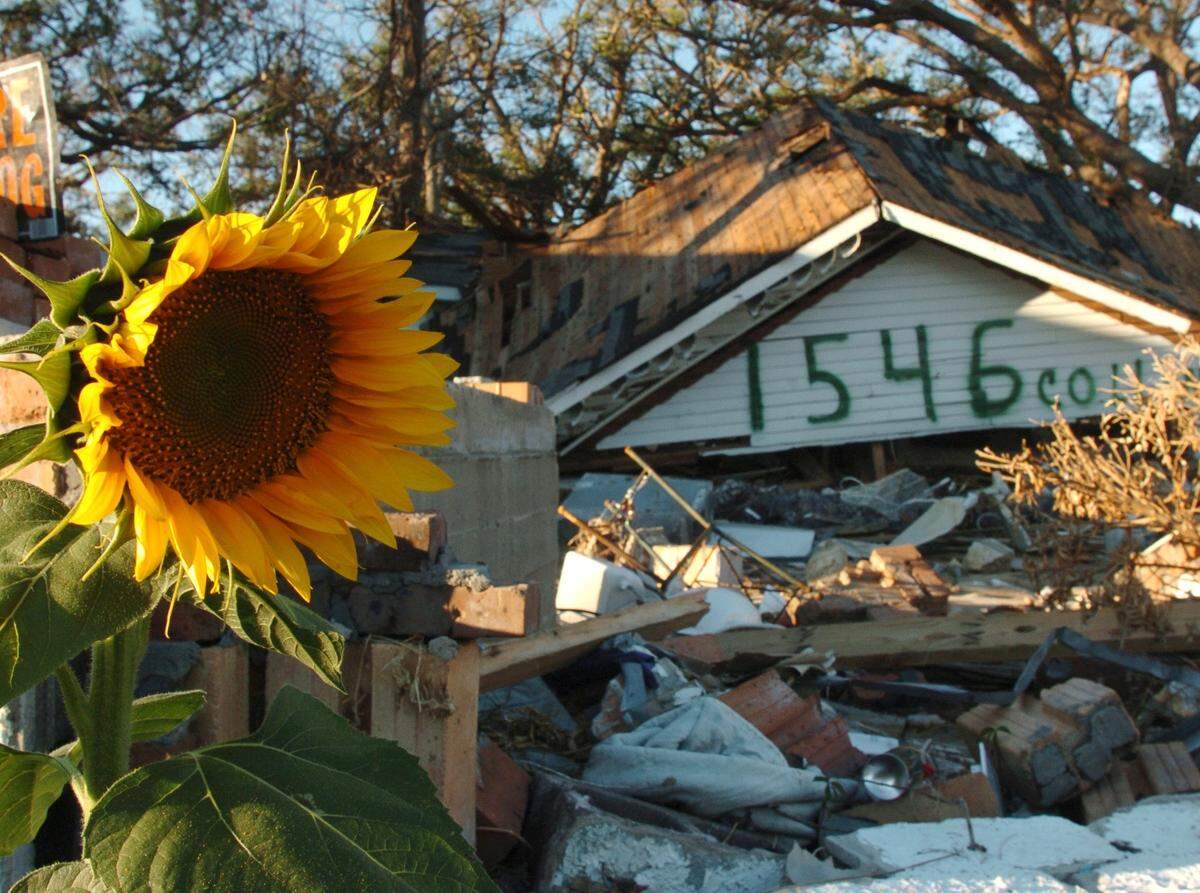
A sunflower poking up amid the devastation on Collins Street in Biloxi gives a bit to smile about after Hurricane Katrina in 2005.
A sunflower poking up amid the devastation on Collins Street in Biloxi gives a bit to smile about after Hurricane Katrina in 2005. JOHN FITZHUGH Sun Herald file

3. ‘I survived Katrina’ T-shirts

Residents and volunteers purchased souvenir Katrina T-shirts at parking lot stands. A stand near the State Farm claim tent in Pascagoula sold shirts that said, “I survived the Big One.” Another shirt had “Disaster Relief Worker” on the back and a representation of a swirling hurricane cloud forming a skull and crossbones.
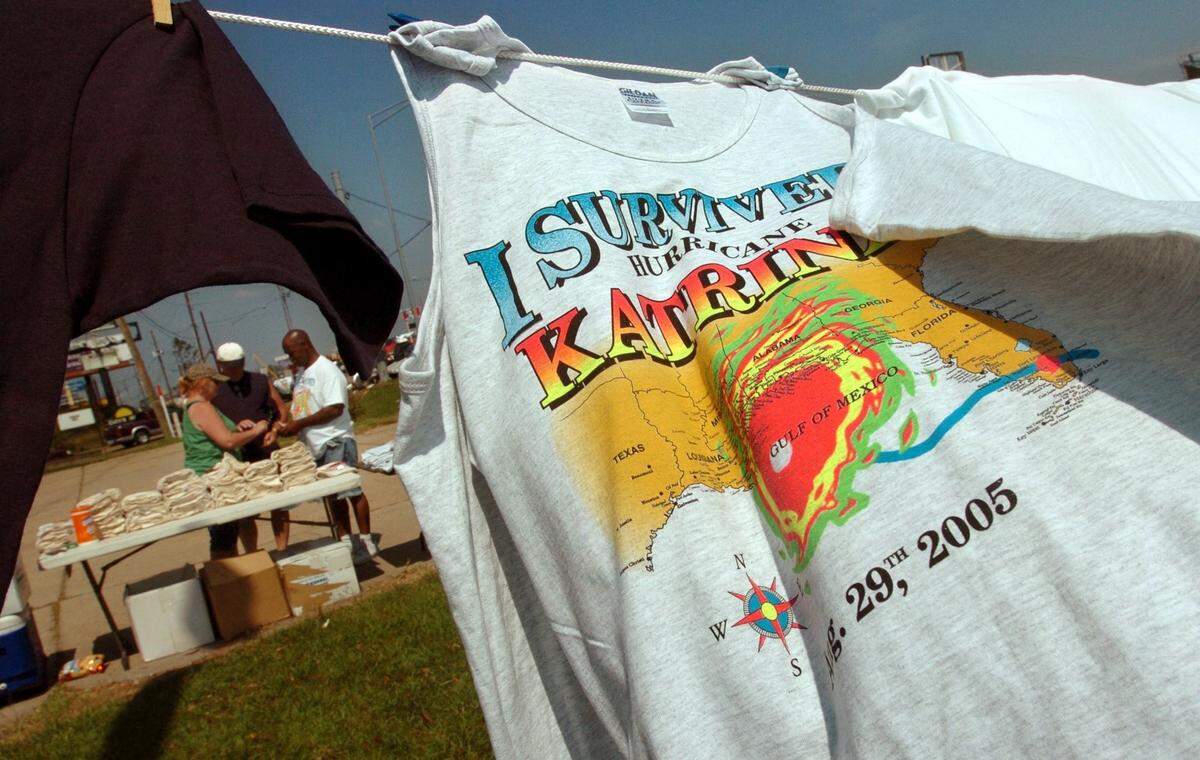
’I Survived Hurricane Katrina’ T-shirts fly in the breeze, waiting to be sold along U.S. Highway 49 in Gulfport, MS on Wednesday, Sept. 21, 2005. Since the shirts began popping up along roads in and around Biloxi and Gulfport, some view the shirts as insensitive while others see them as a way to remember the catastrophic storm that battered the Gulf Coast some three weeks ago.
’I Survived Hurricane Katrina’ T-shirts fly in the breeze, waiting to be sold along U.S. Highway 49 in Gulfport, MS on Wednesday, Sept. 21, 2005. Since the shirts began popping up along roads in and around Biloxi and Gulfport, some view the shirts as insensitive while others see them as a way to remember the catastrophic storm that battered the Gulf Coast some three weeks ago. Chris Stanfield/Pioneer Press Sun Herald archives

4. Katrina killed over 200 Mississippians

The count reached 238 dead in Mississippi from Katrina. Forensic experts implanted computer chips in the bodies of victims to help identify the dead in South Mississippi and Louisiana. Harrison County Coroner Gary Hargrove, who died early this year, worked relentlessly for years to identify every victim.
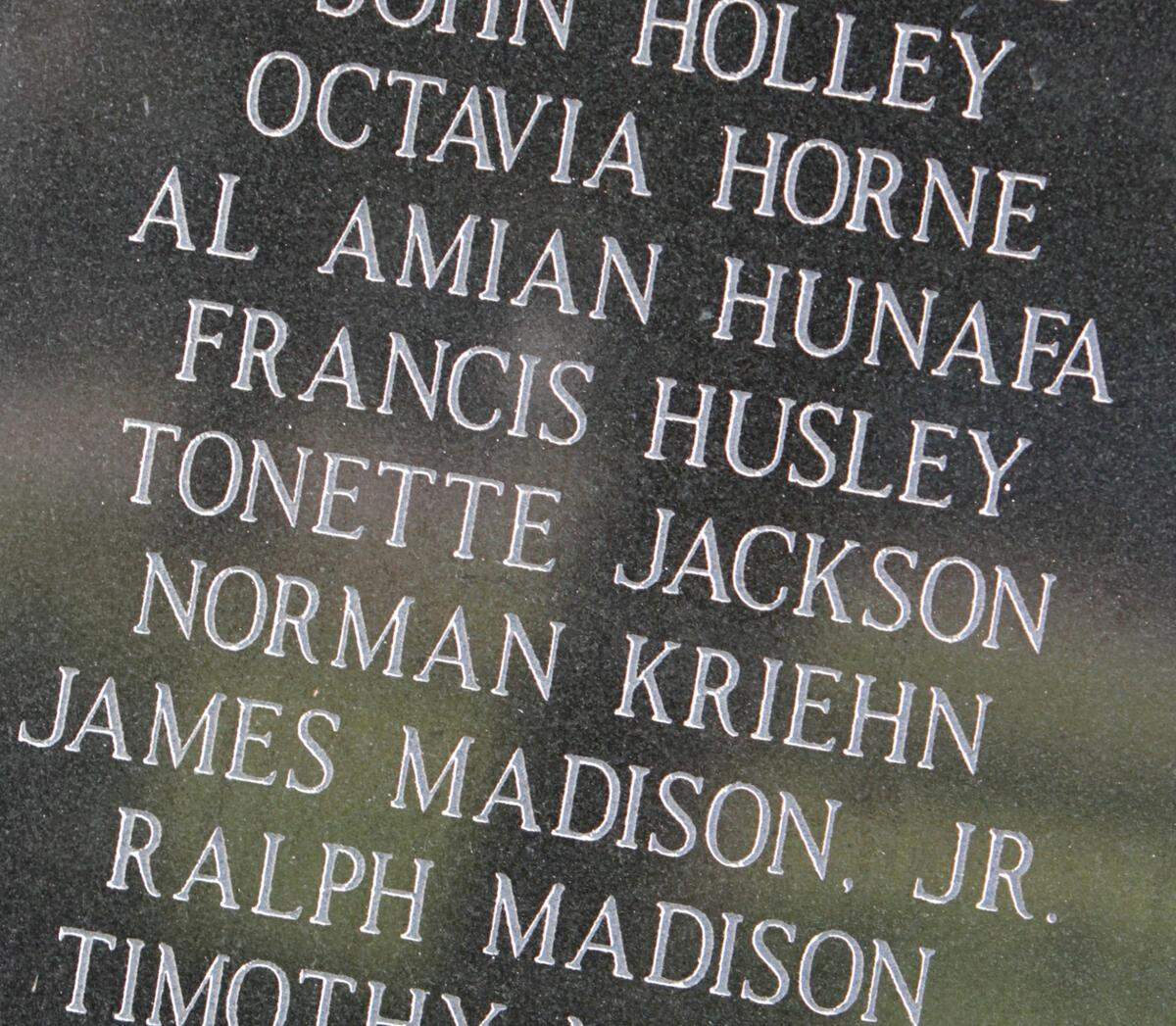
Myrtle Stockstill of Biloxi attended the Hurricane Katrina Memorial Observance at Biloxi Town Green on Thursday Aug. 29, 2013 to remember her sister, Tonette Jackson, who was killed in the storm eight years ago, though her body was never found..
Myrtle Stockstill of Biloxi attended the Hurricane Katrina Memorial Observance at Biloxi Town Green on Thursday Aug. 29, 2013 to remember her sister, Tonette Jackson, who was killed in the storm eight years ago, though her body was never found.. JOHN FITZHUGH SUN HERALD FILE

5. A vow kept

Bay St. Louis Mayor Edward Favre lost everything but a pair of shorts, flip-flops and a T-shirt, and he vowed to wear shorts every day until his city was restored, even to the White House. He wore shorts for more than five years and five months.

Eddie Favre, then mayor of Bay St. Louis, sits in the devastated downtown area after Hurricane Katrina. The Bay has since come back strong and Favre, who swore to wear shorts until recovery was complete, is working as Hancock County administrator.
Eddie Favre, then mayor of Bay St. Louis, sits in the devastated downtown area after Hurricane Katrina. The Bay has since come back strong and Favre, who swore to wear shorts until recovery was complete, is working as Hancock County administrator. Tim Isbell File

6. Trial by fire for new mayors

More than half of the 11 Coast mayors were newly elected to the job just six weeks before Katrina hit. The new mayors of Gautier, Gulfport, Long Beach, Moss Point, Ocean Springs and Pascagoula were soon joined by Pass Christian Alderman Chipper McDermott, who took on the job after the previous mayor moved away.
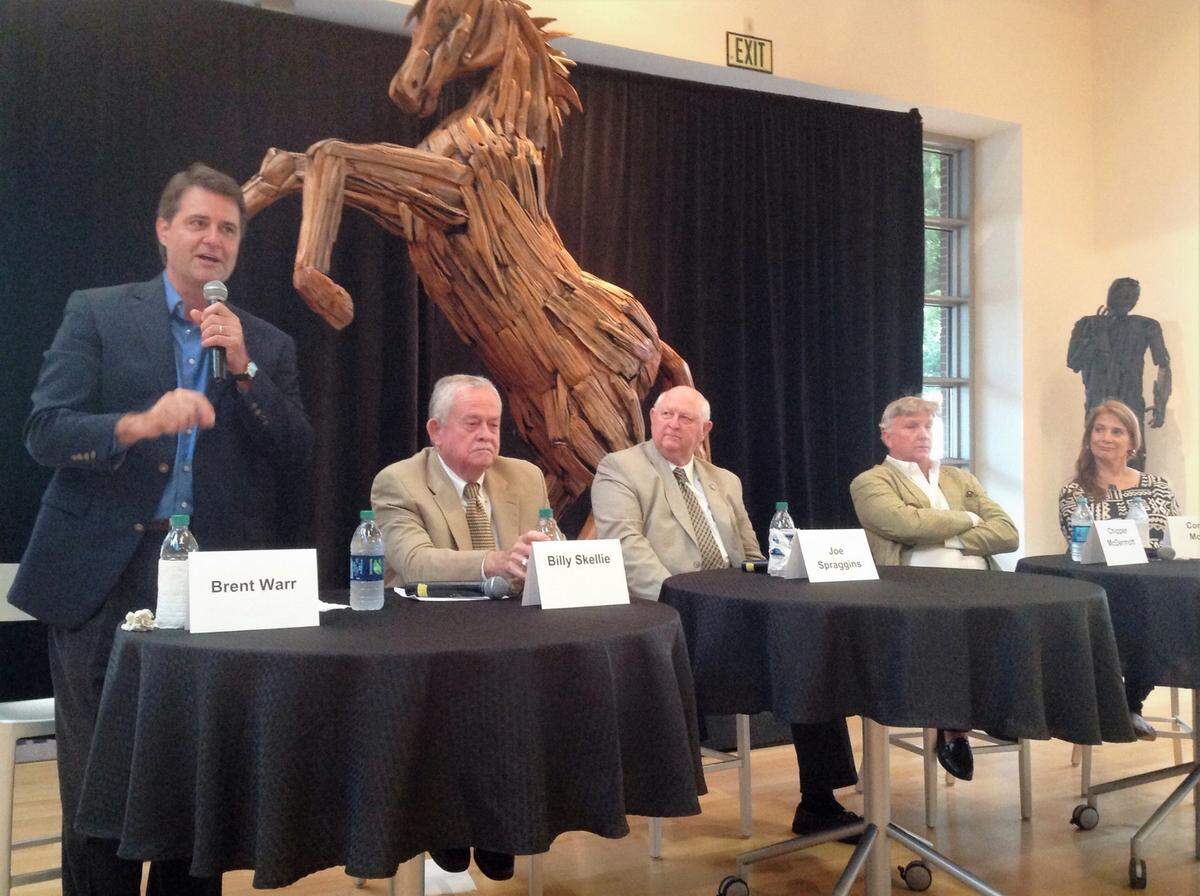
Mayors who were new to the job during Hurricane Katrina recall what it as like during a Katrina +10 presentation in 2015. From left are former Gulfport Mayor Brent Warr; Long Beach Mayor Billy Skellie; Joe Spraggins, whose first day as emergency director for Harrison County was the day Katrina hit; Pass Christian Mayor Chipper McDermott; and Ocean Springs Mayor Connie Moran.
Mayors who were new to the job during Hurricane Katrina recall what it as like during a Katrina +10 presentation in 2015. From left are former Gulfport Mayor Brent Warr; Long Beach Mayor Billy Skellie; Joe Spraggins, whose first day as emergency director for Harrison County was the day Katrina hit; Pass Christian Mayor Chipper McDermott; and Ocean Springs Mayor Connie Moran. Mary Perez meperez@sunherald.com

7. Over a million volunteers respond

More than a million volunteers left their comfortable, air conditioned homes and lived in tents, church halls and their own campers to help rebuild. There were stories of some who worked for a week or longer, then turned around and came back before they even reached home.
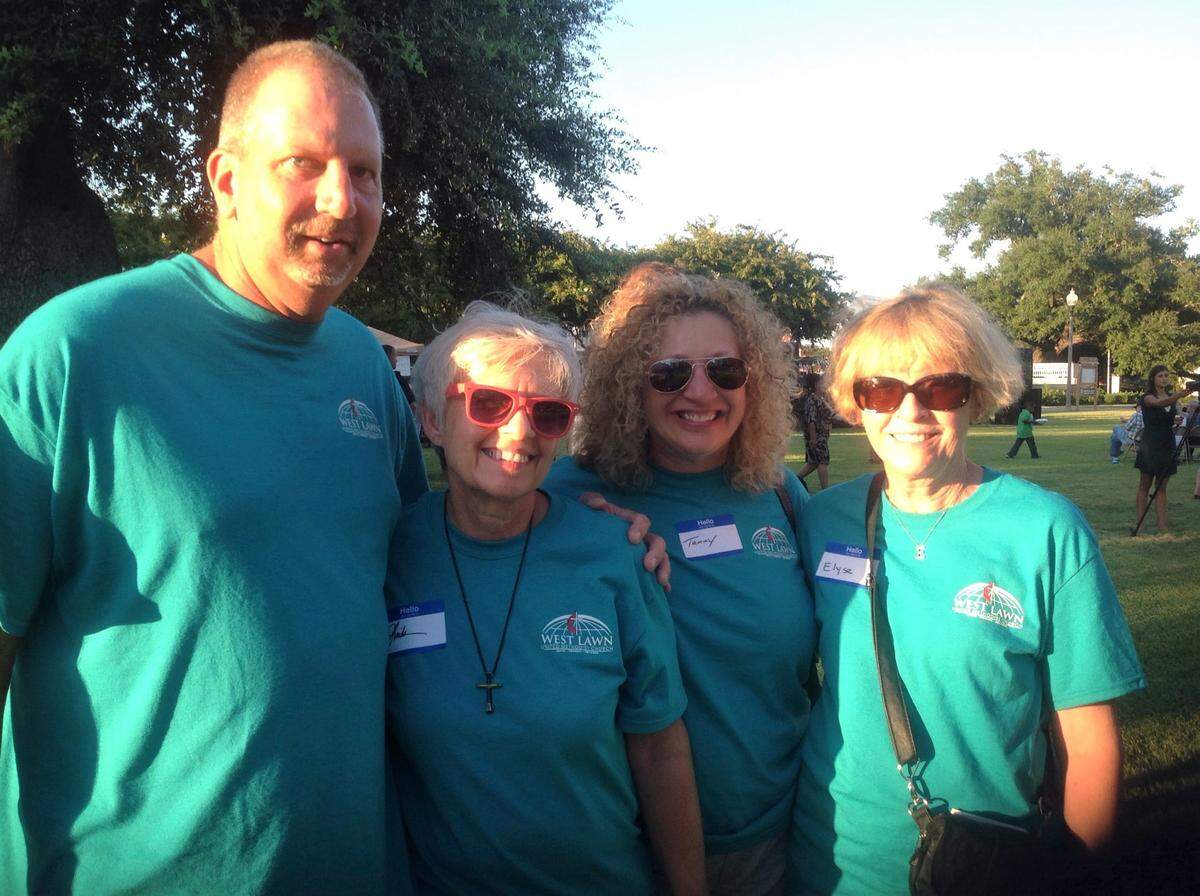
Dave Endy, left, Linda Welsh, Tammy Rank and Elyse Elliott are among 14 volunteers from West Lawn United Methodist Church in Pennsylvania in Biloxi this week building a home on the church’s 15th trip since Hurricane Katrina.They were among the volunteers honored Friday night at an event sponsored by New Life Disaster Relief at the Biloxi Town Green.
Dave Endy, left, Linda Welsh, Tammy Rank and Elyse Elliott are among 14 volunteers from West Lawn United Methodist Church in Pennsylvania in Biloxi this week building a home on the church’s 15th trip since Hurricane Katrina.They were among the volunteers honored Friday night at an event sponsored by New Life Disaster Relief at the Biloxi Town Green. Mary Perez meperez@sunherald.com

8. Celebrity voices

“Good Morning America” host and former Coast resident Robin Roberts brought the nation’s focus on South Mississippi during Hurricane Katrina. She and many other celebrities like Jimmy Buffett, Bill and Melinda Gates, Oprah Winfrey and Garth Brooks made appearances and provided help over the next year.
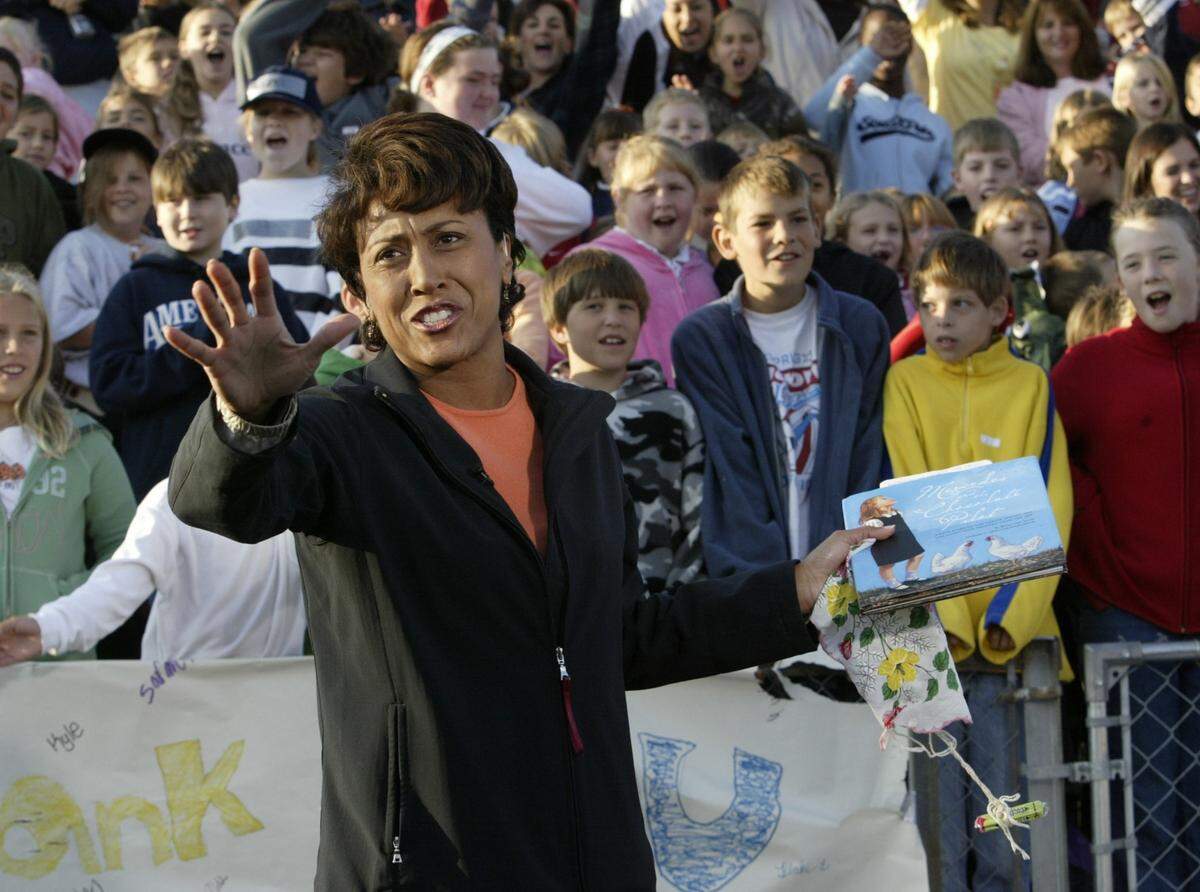
ABC Good Morning American co-host Robin Roberts, a former resident of Pass Christian, Mississippi, broadcasts live from the Bay High School football field after Hurricane Katrina. She is holding a sample of the candies given to students of Bay/Waveland Elementary schools who study each day in a nearby tent school. The tent school was established after Hurricane Katrina struck the Mississippi Gulf Coast and destroyed many of the schools. Roberts and other celebrities brought attention and assistance to South Mississippi after the storm.
ABC Good Morning American co-host Robin Roberts, a former resident of Pass Christian, Mississippi, broadcasts live from the Bay High School football field after Hurricane Katrina. She is holding a sample of the candies given to students of Bay/Waveland Elementary schools who study each day in a nearby tent school. The tent school was established after Hurricane Katrina struck the Mississippi Gulf Coast and destroyed many of the schools. Roberts and other celebrities brought attention and assistance to South Mississippi after the storm. JAMES EDWARD BATES Sun Herald file

9. Katrina’s Ground Zero

Hancock County and Pass Christian were ground zero for Katrina. In Waveland, the Post Office and city hall were concrete slabs. Every city vehicle, police car and firetruck were gone.

“Out of everything Waveland owned, we were able to save one backhoe,” said Mayor Tommy Longo, “and who knows how long it will keep running?” The Walmart had to wait for approval from the U.S. Environmental Protection Agency before reopening.
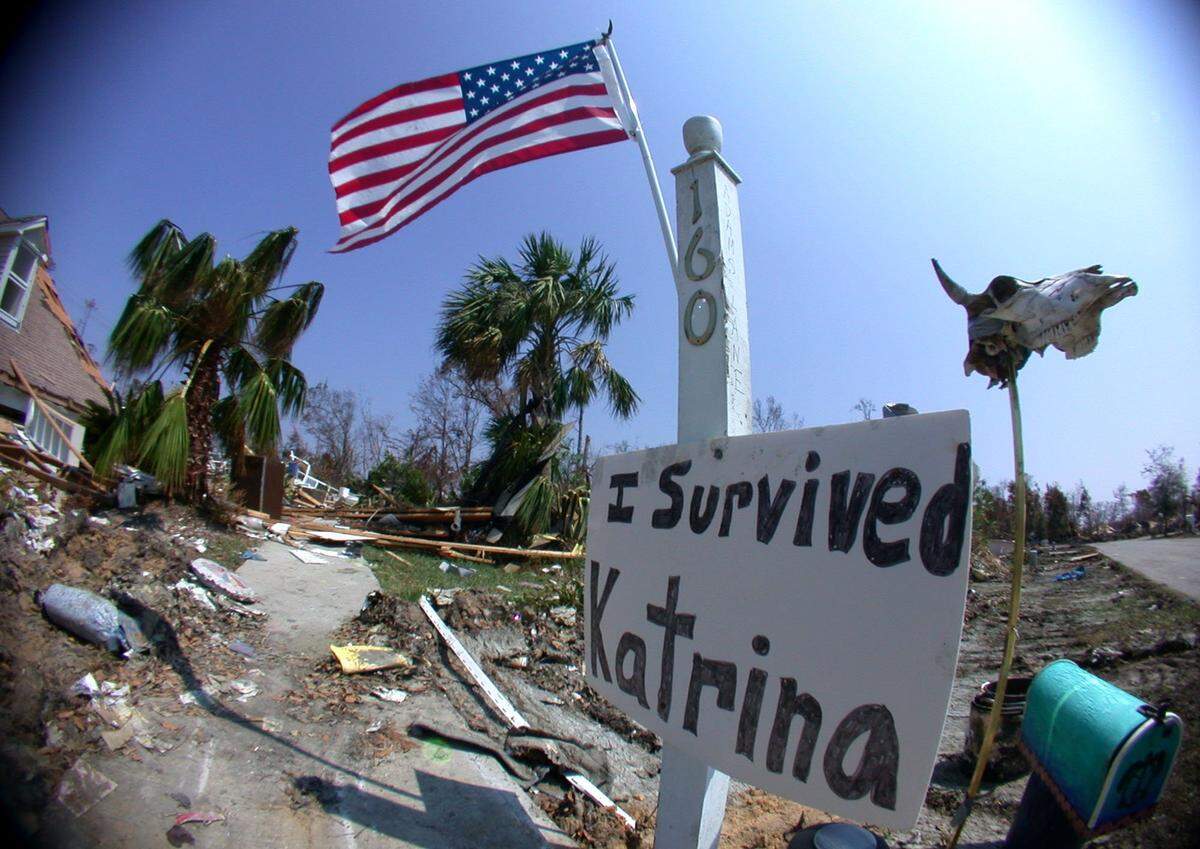
A sign saying “I Survived Katrina” stands outside of a home that was destroyed by Hurricane Katrina in Waveland. Despite having a knee replacement 4 days before Katrina hit, former Mayor Tommy Longo went to work to restore the city.
A sign saying “I Survived Katrina” stands outside of a home that was destroyed by Hurricane Katrina in Waveland. Despite having a knee replacement 4 days before Katrina hit, former Mayor Tommy Longo went to work to restore the city. Suzanne Mast Lee Miami Herald staff

10. Rebuilding and a free ferry

The infrastructure returned surprisingly quickly. About 12,000 power company workers from throughout the country helped restore electricity to all Mississippi Power customers whose properties could receive it within 12 days.

A free ferry operated from Oct. 2006 until the Bay of St. Louis bridge reopened in May 2007, saving a 27-mile trip by car. Then Gov. Haley Barbour recalls in his book, “America’s Great Storm: Leading Through Hurricane Katrina,” that I-10 was fully open 20 days after Katrina, and all schools in Mississippi reopened before any did in New Orleans.
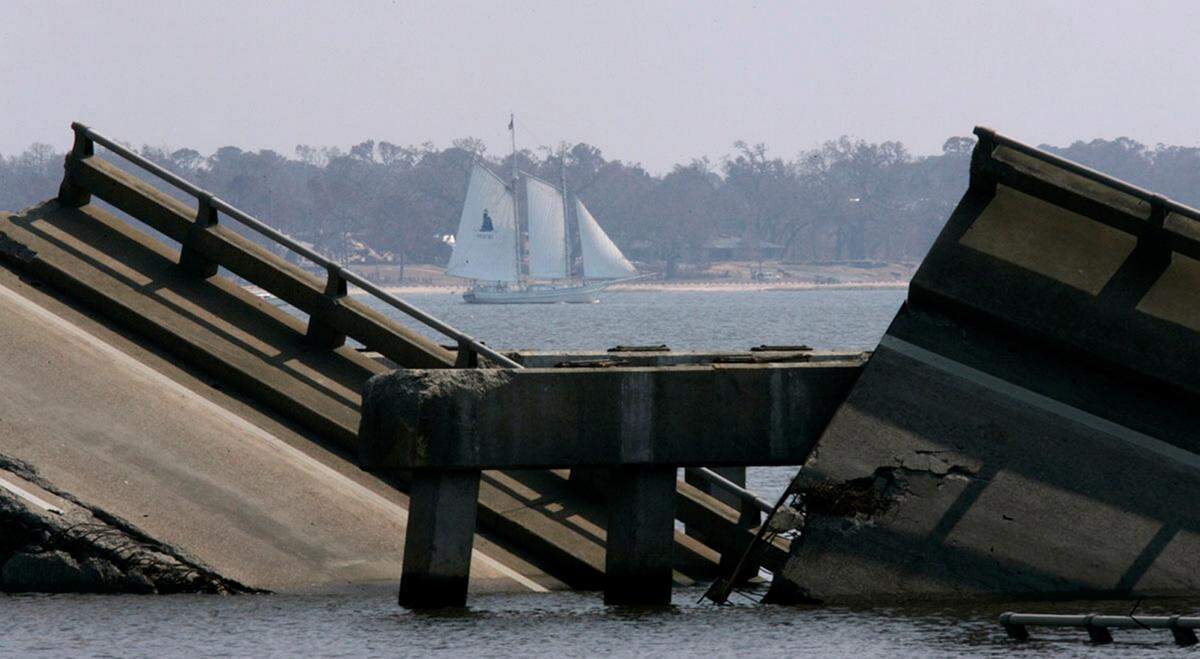
The Biloxi Schooner Glenn L. Swetman sails past the destroyed Biloxi Bay bridge on Sept. 16, 2005. The appearance of the ship after Hurricane Katrina gave many hope during the aftermath of the storm.
The Biloxi Schooner Glenn L. Swetman sails past the destroyed Biloxi Bay bridge on Sept. 16, 2005. The appearance of the ship after Hurricane Katrina gave many hope during the aftermath of the storm. MIKE CARDEW Sun Herald file

11. No more floating casinos

To keep thousands of jobs and millions in revenue in Mississippi, the state Legislature allowed casinos to rebuild on land. IP Casino, then known as Imperial Palace, was the first to reopen in December.

Beau Rivage opened a year to the day after Katrina and Hard Rock Casino, which was within days of opening when Katrina hit, had to be rebuilt and reopened in summer 2007.
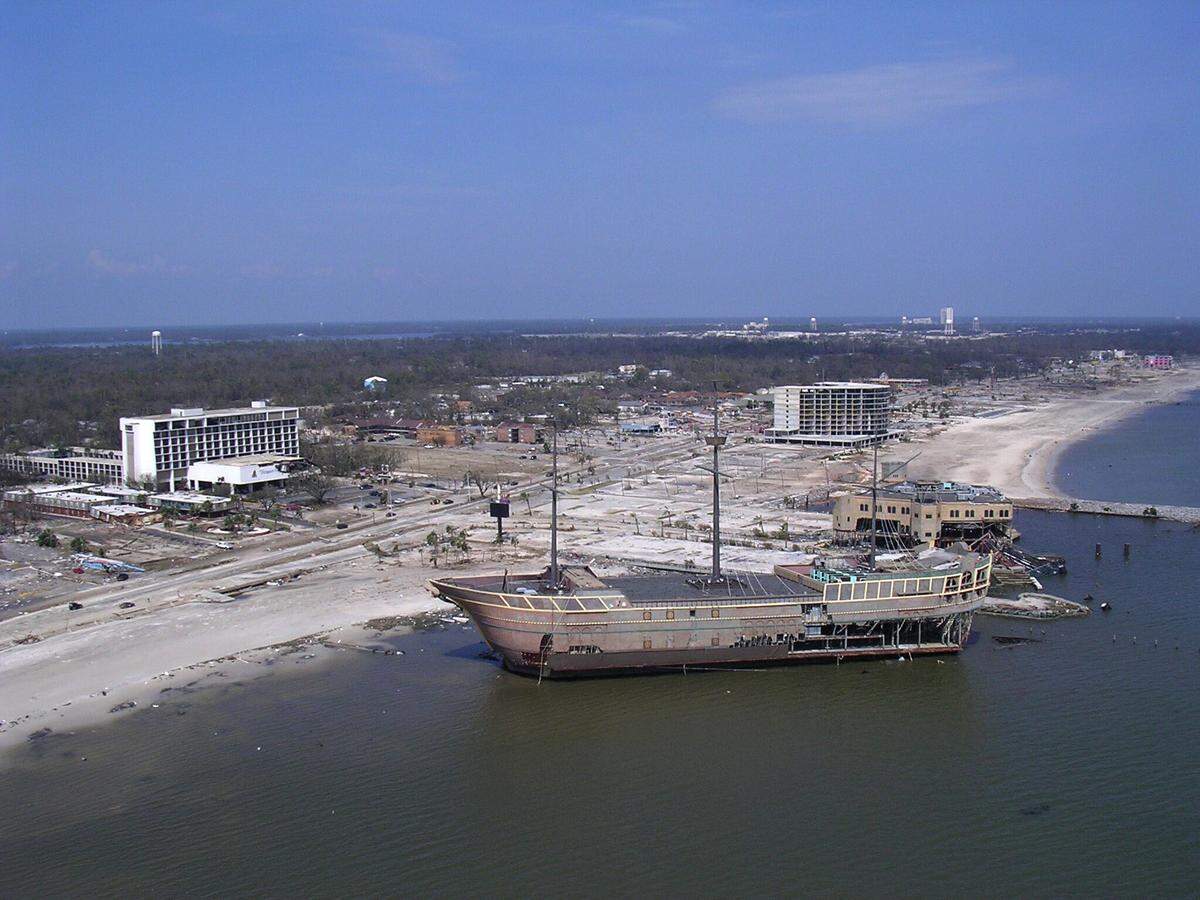
Treasure Bay Casino on Tuesday Aug. 30, 2005 after Hurricane Katrina.
Treasure Bay Casino on Tuesday Aug. 30, 2005 after Hurricane Katrina. Geoff Pender Sun Herald

12. ‘I’m OK’ blog

Cellphone service was mostly text and the blog “Eyes on Katrina” established an “I’m OK” line with the Sun Herald to help people notify their relatives they were safe in a time before social media was readily used.

13. Rotten chickens

A month after Katrina, rotten chicken and other contents from the giant shipping containers still sat and stunk in Gulfport neighborhoods near the State Port of Mississippi. While the disagreement continued about who should clean up the mess, restaurant owner Bill Vrazel paid a contractor to remove the 14 containers in his parking lot so he could reopen. Katrina left enough storm debris to fill 400 football fields 50 feet high.
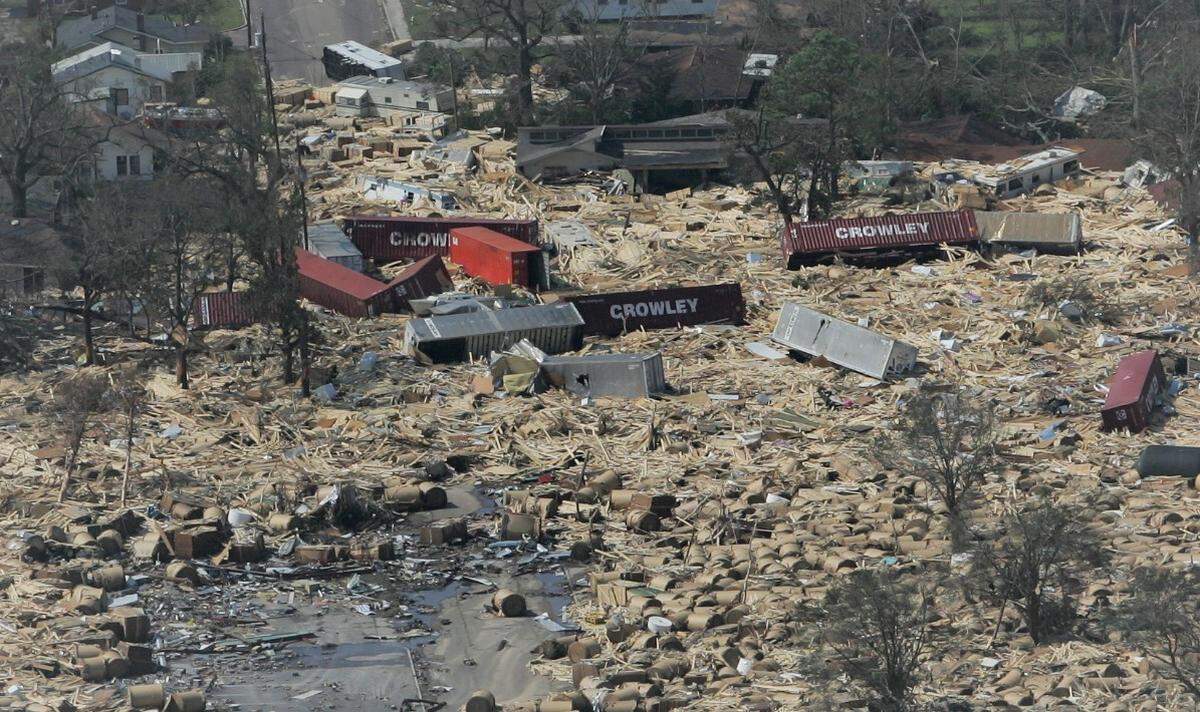
Shipping containers and their contents from the State Port at Gulfport are strewn across the area of Broad Ave. at U. S. 90 in Gulfport, Miss., on August 30, 2005, the morning after Hurricane Katrina struck the Mississippi Gulf Coast.
Shipping containers and their contents from the State Port at Gulfport are strewn across the area of Broad Ave. at U. S. 90 in Gulfport, Miss., on August 30, 2005, the morning after Hurricane Katrina struck the Mississippi Gulf Coast. JAMES EDWARD BATES Sun Herald file

14. A second hurricane

Just 25 days after Katrina, Hurricane Rita neared the Coast, but most of the effects of the powerful storm were in Louisiana. The 2005 hurricane season ended with 26 named storms and 13 hurricanes. The Weather Channel’s Jim Cantore broadcast Nov. 30 from South Mississippi, where he was one of those who had survived Hurricane Katrina.

Jim Cantore reports for The Weather Channel at the Armed Forces Retirement Home in Gulfport during Hurricane Katrina in 2005. He returned to South Mississippi on the last day of hurricane season that year.
Jim Cantore reports for The Weather Channel at the Armed Forces Retirement Home in Gulfport during Hurricane Katrina in 2005. He returned to South Mississippi on the last day of hurricane season that year. Sun Herald file photo

15. Not just the Coast

While New Orleans received most of the national attention, the coastline of South Mississippi was nearly flattened. Katrina also did a lot of damage to Laurel, Hattiesburg, Petal, Meridian and cities north of the Coast, where blue tarps stretched across roofs for months. Winds reached 100 mph in Hattiesburg for hours.

This story was originally published August 28, 2020 at 5:50 AM.

Mary Perez
Sun Herald
Mary has won numerous awards for her business and casino articles for the Sun Herald. She also writes about Biloxi, jobs and the new restaurants and development coming to the Coast. She is a fourth-generation journalist. 
Get unlimited digital access
#ReadLocal

Try 1 month for $1

CLAIM OFFER