MS copperhead bites surging this year, new data shows. Here’s why, what to do if bitten
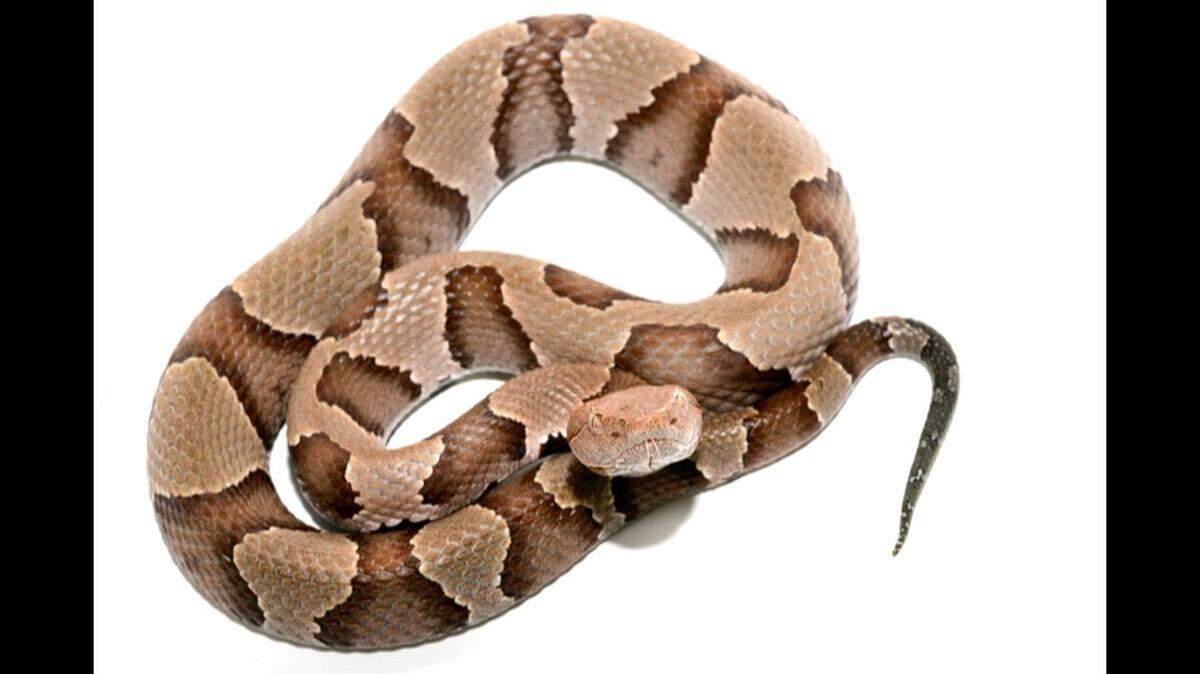
While it’s common for Mississippians and tourists to see copperheads and other venomous snakes during the warmer months, more bites have been reported in the state so far this year than compared with the past two years, data shows.
Seventy-five presumed venomous snake bites have been reported between Jan 1. and Aug. 11, up 10 bites from the same time period in 2024, according to data from the Mississippi Poison Control Center. Copperheads made up the most bites at about 45%, the data shows.
“This year, it’s rained a little bit more, so they may be a little more active than usual,” said Scott Peyton, collections manager at the Mississippi Museum of Natural Science.
Here’s what to know about copperheads and how to stay safe in case you encounter one this summer.
How to ID copperheads
Copperheads, one of six venomous snakes found in Mississippi, can be identified by their bronze-colored skin, vertical pupils and a pattern that resembles hourglasses, according to the Mississippi Department of Wildlife, Fisheries, & Parks.
These snakes are about 2-to-3-feet-long and — like other snakes in the pit viper group — have flat, triangular heads, according to experts.
Baby copperheads are also unique for their vibrant “sulfur-yellow tails,” experts said.
Where do copperheads live?
The snakes favor hardwood forests but can be found everywhere except on the Gulf Coast and barrier islands, according to the MDWFP.
One of the most common snakes in the state, copperheads are often seen in subdivisions, gardens, garages and even crossing rural roads at night, experts said.
How to avoid copperheads
Most snakes aren’t out to get you and will issue warning signs, including hissing and vibrating their tails, if they feel threatened, according to the Mississippi State University Extension Service.
The easiest ways to avoid an unwanted encounter with a copperhead is by cleaning up debris and other potential snake hiding spots around buildings and yards, experts said. Wearing heavy shoes and pants in the woods and bodies of water can also help protect you.
“A lot of the calls we get are accidents,” said Jenna Davis, managing director of the Mississippi Poison Control Center. “But we do occasionally get those calls of someone who’s trying to kill a snake and does get bit or, unfortunately, trying to hold a snake.”
If a person does see a snake, they should slowly back up, Davis said.
What to do if you’re bitten by a copperhead
Some bites by venomous snakes can be “dry,” meaning they happened without venom being delivered, according to the Mississippi Poison Control Center.
Still, all venomous snakebites should be evaluated by a health care professional, experts said.
Here’s what to do if you or someone you know is bit, according to the poison control center:
- Don’t panic
- Go to the nearest emergency department or health care facility
- Call 911 if you have symptoms including “shortness of breath, chest pain, confusion, or loss of consciousness”
- Put pressure on the affected extremity
- Don’t use ice or a tourniquet
- Don’t try to suck out the venom
This story was originally published August 12, 2025 at 5:00 AM.