
In the 1970s, Mississippi banned the ‘Sesame Street’ kids show. Here’s the historic story.
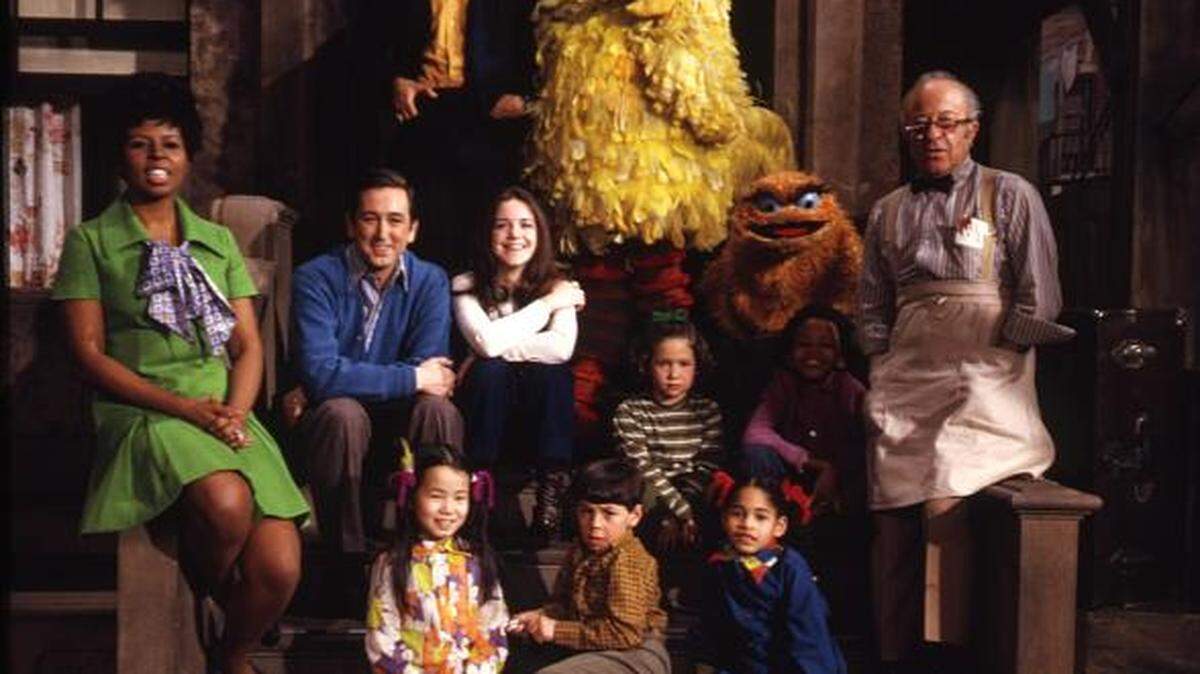
After premiering for the first time in 1969, the beloved children’s show “Sesame Street” soon found itself at the center of a controversial decision in Mississippi. The racially diverse cast became a point of contention for a board of educational consultants in the state, resulting in a ban on the show’s airing.
“Sesame Street” was created by Joan Ganz Cooney and Lloyd Morrisett with the goal of educating their young audience with life lessons. The show became an instant hit among children with its colorful array of characters, such as Big Bird and Oscar the Grouch.
The show starred Matt Robinson and Loretta Long, who were Black, alongside Jada Rowland and Bob Mcgrath, who were white. The child actors on the show were also racially and ethnically diverse.
In January 1970, only a few months into “Sesame Street’s” time on air, a board of educational consultants from the Mississippi Authority for Educational Television held one of its regular meetings to discuss the show. The board was created by the state Legislature and the members were handpicked by then Gov. John Bell Williams.
Their job was to evaluate all programs that were to air on the state’s Educational Television, or ETV station. While it was based only in the Jackson area, the station was set to eventually provide coverage to residents across the entire state.
The all-white board consisted of private citizens, including a principal, a teacher, and James McKay. McKay was the son-in-law of Allen Thompson, former mayor of Jackson, who spent decades fighting to retain segregation in the schools and the city.
The nation, and especially Mississippi, had just overcome major issues stemming from the civil rights movement. However, racial tension over desegregation and systemic racism continued to plague the state.
With this in mind, the panel felt that the portrayal of a racially diverse cast was too controversial to show to children in Mississippi. They also worried that the state Legislature would take fault with the show, which could threaten their budget of over $5 million.
After postponing the decision for three months, the board voted 3-2 to ban “Sesame Street” from airing on the ETV station in April 1970. The two members against banning the show reached out to The New York Times.
One of the two members against the decision told the The New York Times that “some of the members of the commission were very much opposed to showing the series because it uses a highly integrated cast of children.” The member, who chose to remain anonymous, went on to say “mainly the commission members felt that Mississippi was not yet ready for it.”
The ban sparked a wave of outrage, not just among Mississippi residents, but also among concerned citizens and organizations across the country. Civil rights activists, educators, and parents vehemently criticized the decision, arguing that “Sesame Street” provided valuable educational content regardless of the diversity of its cast.
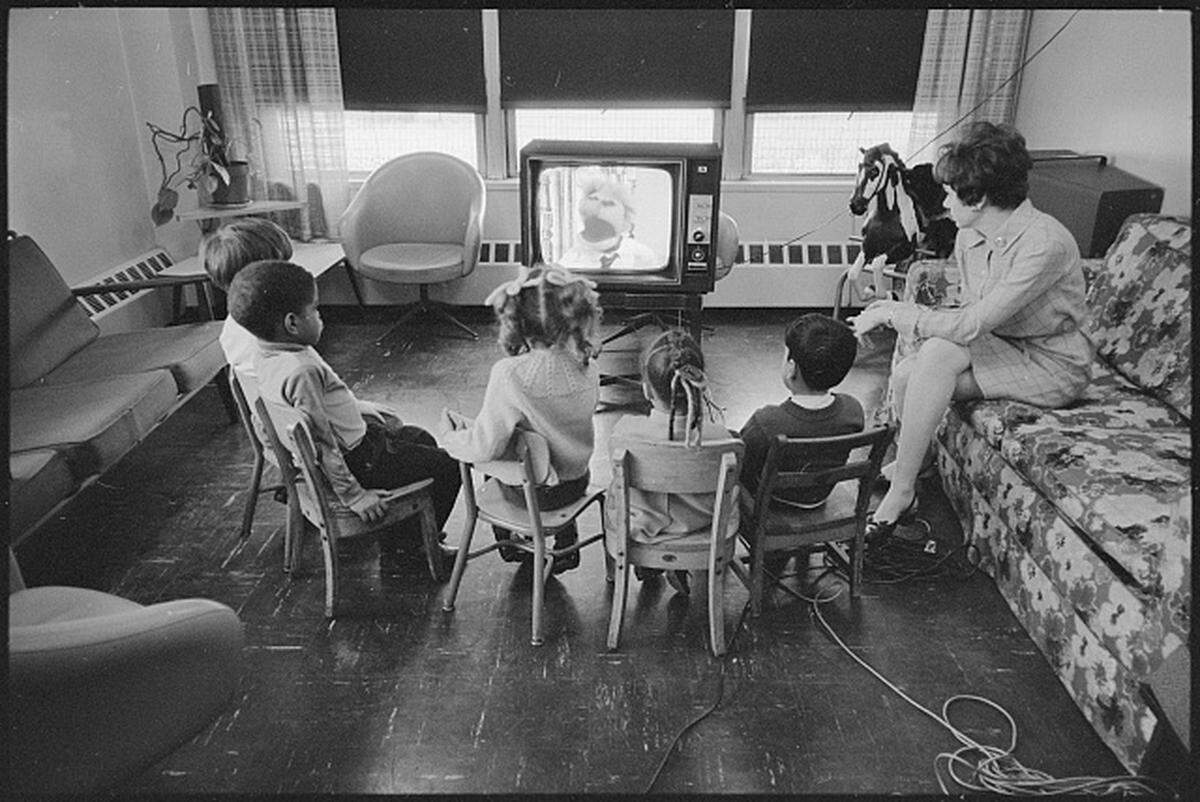
Cooney would eventually describe the decision as a “a tragedy for both the white and black children of Mississippi.”
In response, the board claimed that it was not a total ban on “Sesame Street,” but a temporary postponing. They said there were concerns that the Legislature would react negatively to the progressive show and would shut down their project before it had a chance to reach the entire state.
To an extent, there was reason to believe the statement as several government officials had recently argued against educational programming that highlighted racial integration. State Rep. Tullius Brady of Brookhaven claimed that ETV exerted “a subtle influence” on children that could be used for “evil purposes.”
With mounting pressure from the media, civil rights members and concerned residents of the state, the board reversed its decision only 22 days later. While “Sesame Street” would be allowed to air on ETV for residents in the Jackson area, many children closer to Memphis and New Orleans were already enjoying the show on other networks.
Later that year, the cast of “Sesame Street” visited Jackson and met with members of the board who helped sponsor the visit. However, no public apology was made for the decision to ban “Sesame Street” in Mississippi.
This story was originally published July 17, 2023 at 3:00 PM.