Did Gulf earthquake harm dolphins or other sea life off the MS Coast? What experts say.
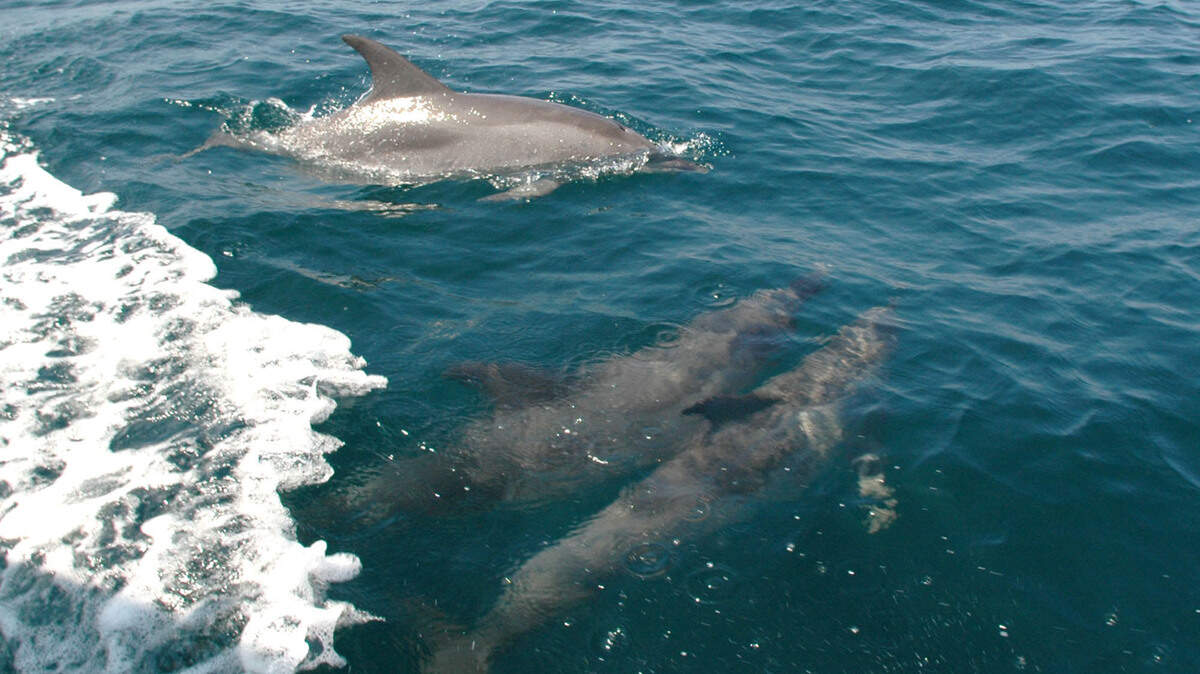
Have no fear. Flipper is fine.
Sunday’s seafloor earthquake in the Gulf of Mexico will not affect sea life near the Mississippi Gulf Coast.
The 3.3-magnitude earthquake happened around 11:15 p.m. about 130 miles southeast of Gulfport.
Because the earthquake was a minor one and far from the coast, it’ll remain business as usual for the local seafood industry.
Moby Solangi, director of the Institute for Marine Mammal Studies, said a quake that small would have no effect on dolphins and other inhabitants.
“It would be just another wave to them and they swim through big waves all the time,” he said.
To harm marine life, the seafloor would have to fracture, flip over or show major damage at the fault line.
The fault line of Sunday’s earthquake hasn’t even been detected. In fact, there are no seismic plates known in the area.
Recent years have seen two major underwater earthquakes. In 2016, a 7.8-magnitude earthquake off the coast of New Zealand’s South Island caused a tsunami.
Four years later, a 6.1-magnitude quake south of South Africa did not impact the coast, but did disrupt the surrounding underwater ecosystem of corals and sea plants, according to water supply company Living-Water.
Large quakes could potentially bury bottom fish, crustaceans, corals and sea stars.
“The biggest threat of submarine earthquakes for people and animals is the tsunamis they can potentially generate,” said James Connors at the NOAA Office of Ocean Exploration and Research.
Because most submarine earthquake research focuses on the geological processes that cause tsunamis, little has been learned about a quake’s potential biological effects.