Two more MS Coast children are fighting brain cancer. Their families want to know why
Two more Mississippi Coast children are fighting for their lives after doctors diagnosed the two unrelated boys with a form of brain cancer.
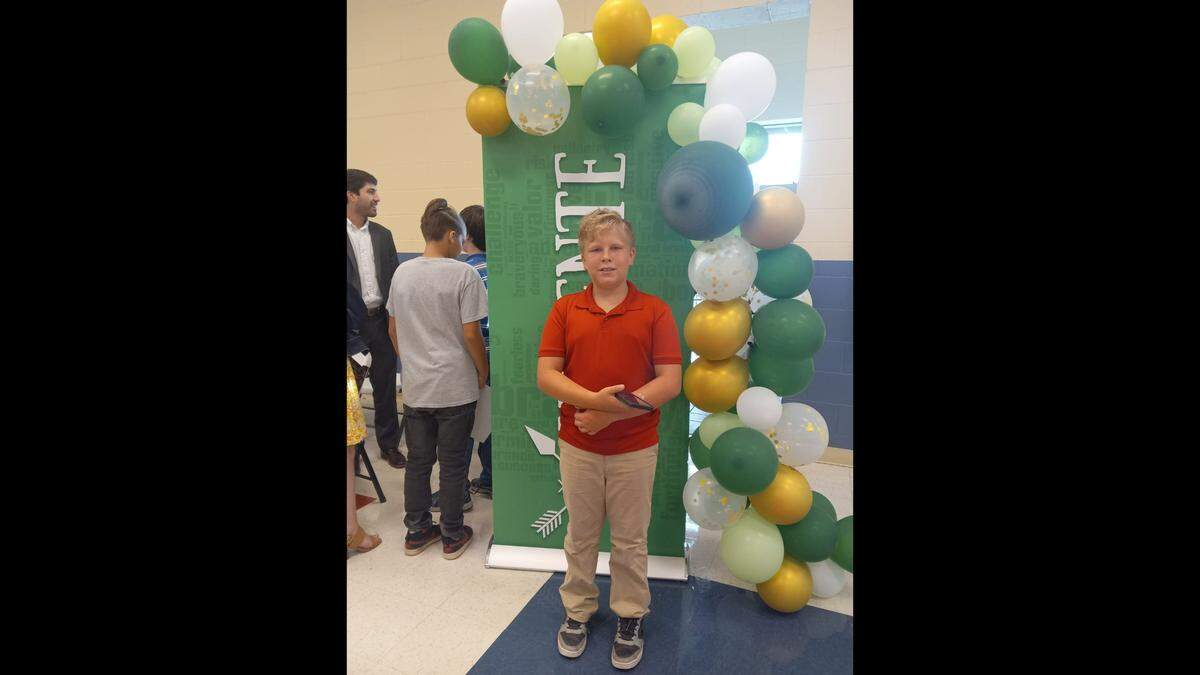
Andre White, the 11-year-old son of Crystal Henry and father, Mark Andre White, is undergoing treatment for a rare and incurable brain cancer known as diffuse intrinsic pontine glioma.
The Gulfport boy is undergoing treatment at the University of Mississippi Medical Center in Jackson.
His treatment began shortly after he was taken to the hospital on June 2 because of numbness in his limbs, headaches, and problems with his eyesight, his mother said.
On June 3, doctors confirmed Andre was suffering from DIPG.
A gofundme account has been set up to help Andre’s family with medical and living expenses.
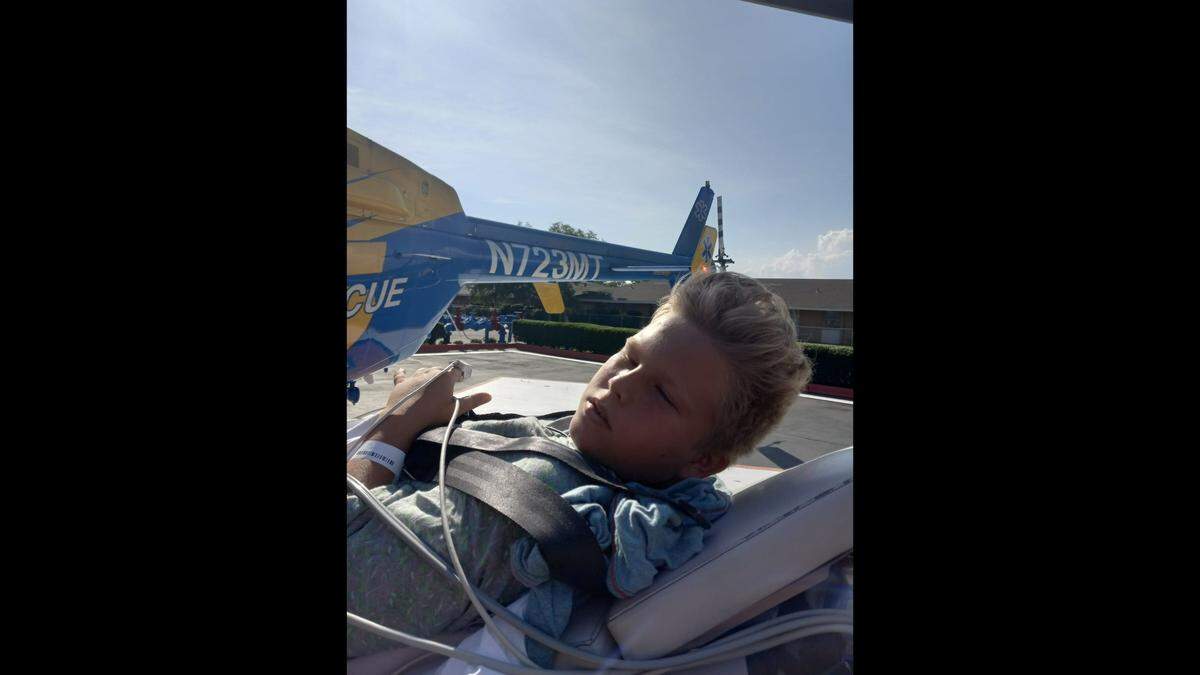
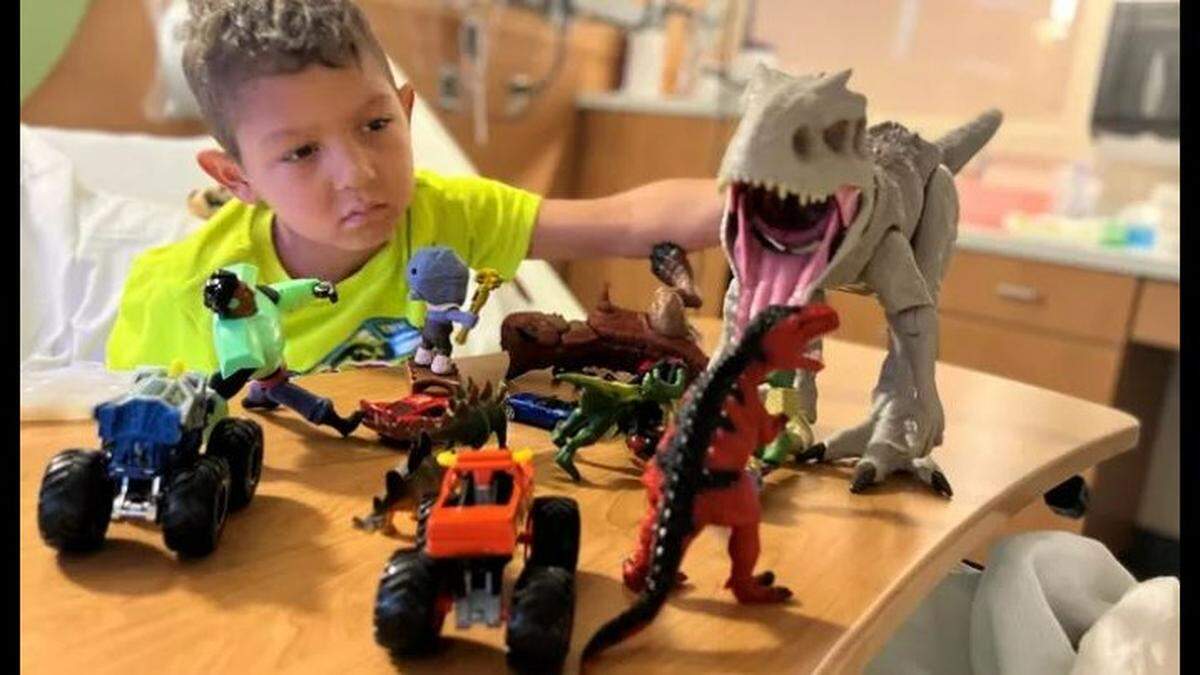
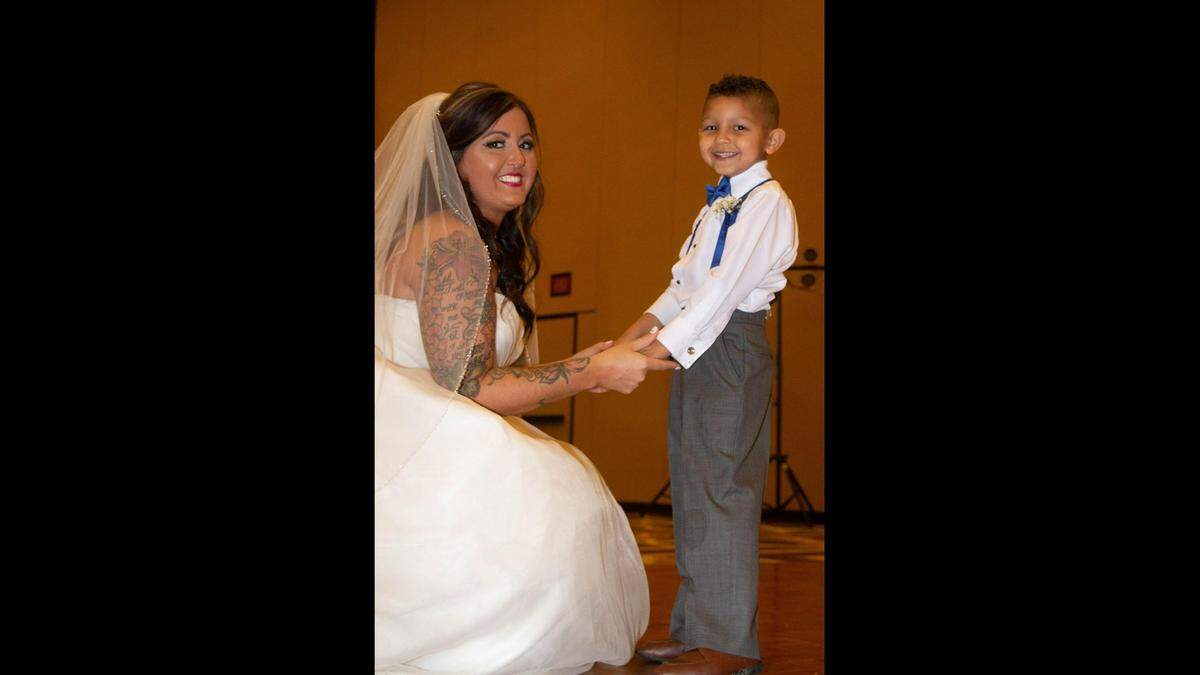
A second child, 6-year-old Hendrix Longfellow, the son of Biloxi police officer Justin Branning and his wife, Amanda Branning, a police officer in Long Beach, also is sick.
The couple brought their son to the emergency room July 18 after Hendrix started experiencing problems with dizziness and using his right arm and leg.
Since then, doctors at the USA Children’s and Woman’s Hospital in Mobile and a neuro-oncologist in Birmingham told the family they believe Hendrix is likely suffering from high-grade or low-grade glioma, a type of brain tumor that occurs in the brain and spinal cord.
However, his mother said doctors said a biopsy is necessary to confirm Hendrix is not suffering from DIPG.
The family is seeking treatment for their son in Birmingham.
“Birmingham said Hendrix will more than likely go home after the biopsy for healing, then return for the treatment...” his mother said.
The two families have been in contact with one another since the diagnosis, and both families question why so many children on the Mississippi Coast have some cancer, such as DIPG, a cancer so rare that doctors say it only affects between 300 or 400 children a year.
A “Healing for Hendrix” benefit fish fry is set from 10 a.m. to 2 p.m. Friday at Lopez-Quave Public Safety Center on Porter Avenues in Biloxi. In addition, a gofundme account has been set up for his family.
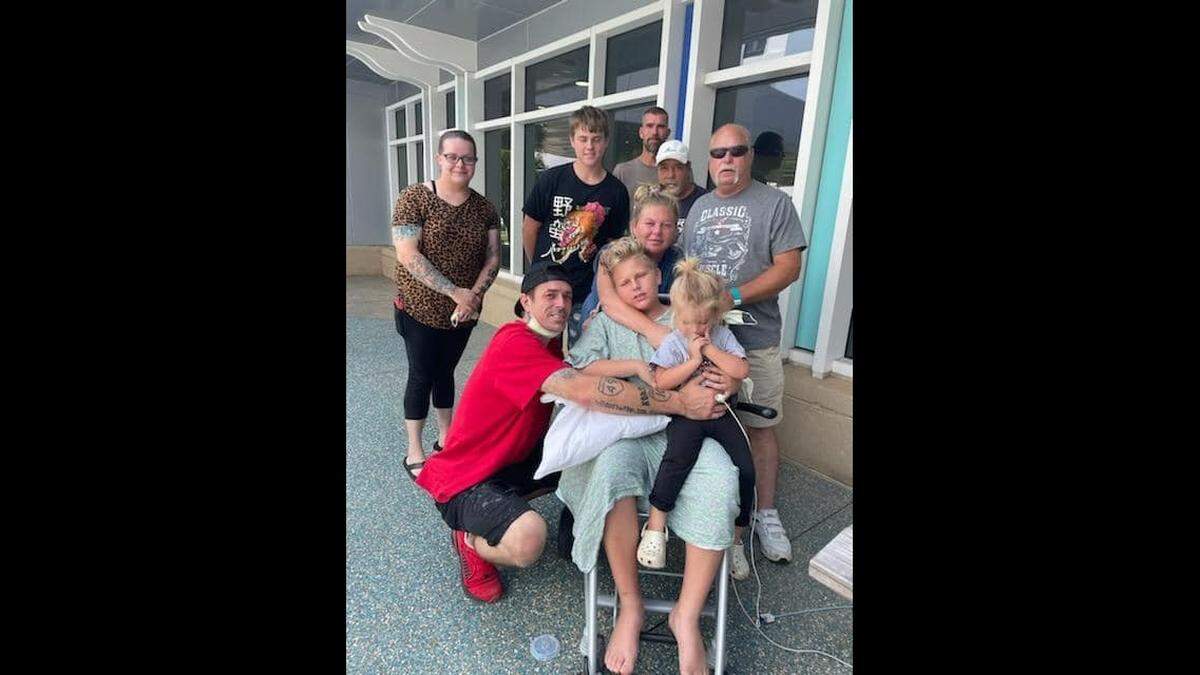
The benefit and other donations will help Hendrix’s family with medical expenses and help care for their six other children, ages 4 to 17, while Hendrix undergoes treatment.
To find other ways to help Andre’s family, follow the Andre’s Army page on Facebook.
Why do so many children on the Coast have cancer
The two children diagnosed with a form of brain cancer are among a growing number of Mississippi Coast children to battle brain cancer on the Coast.
Since 2010, at least four South Mississippi children have died of the rare and incurable DIPG, prompting parents to question why so many children in the area are dying of cancer.
DIPG is cancer that forms on the pons of the brain and spreads like sand. The cancer mainly affects children and slowly takes away their ability to walk, talk, see and hear.
In 2017, the Sun Herald attempted to get answers about why so many children in Ocean Springs and Jackson County were fighting rare cancers like DIPG on the Mississippi Coast.
The series focused on three Ocean Springs children — Sophia Mohler, 8, Jaxon Schoenberger, 6, and Sophia Ann Myers, 7 — who have since died of DIPG.
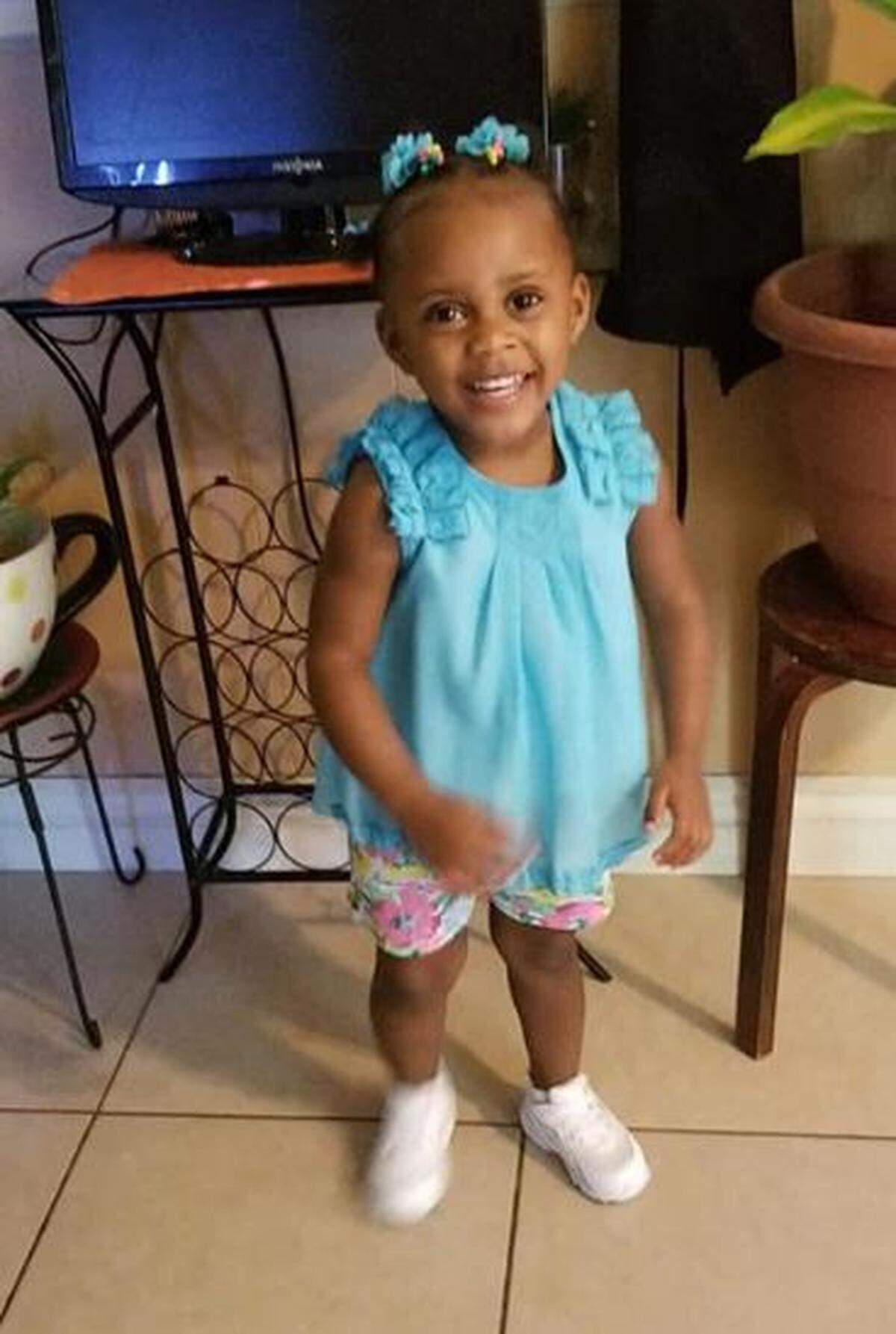
After their deaths, a fourth child, Brooklyn Willis, 2, of Pascagoula, was diagnosed with DIPG, prompting her relatives to question why doctors are suggesting the cancer is rare when so many children in the small Coastal communities have died of DIPG and other cancers.
After a seven-month battle with DIPG, Brooklyn, then 3, died on Feb. 5, 2020, surrounded by her family.
Parents want answers after latest diagnoses
Since the two latest children have been diagnosed with the type of brain cancer, their parents say doctors also have questioned why there appears to be an ongoing cluster of cancer cases among children in South Mississippi.
Amanda Branning said she and Andre’s mother have been in contact since their children’s diagnoses.
“I have been in contact with Andre’s mother,” Amanda Branning said. “My heart breaks for them, too. I just don’t understand why our babies are getting so sick.
“Leukemia is also popping up so much down here, too,” she said. “What is wrong with our Coast? The doctors here (Birmingham) said we are in a cluster for some reason.”
Amanda Branning said the doctors she is talking to regarding Hendrix’s condition, and treatment plans told her that “between Leukemia and brain tumors, we (on the Mississippi Coast) are at an all-time high, yet no one wants to say there’s a cluster.”
Andre’s mother, Crystal Henry, said she, too, would like to find out why this is happening to so many children Coastwide.
“I think the more answers this gets, the better,” she said. “They say it’s a rare childhood cancer, but it seems there are a lot of cases on the Coast in the past few years.”
A temporary cancer cluster or something else?
The Sun Herald repeatedly questioned the state Department of Health to find out why so many Coast kids are dying of rare and incurable brain cancers like DIPG and whether that was indicative of a cancer cluster brought on by other factors in the environment or elsewhere.
But the state Department of Health said that the high number of DIPG cases in Ocean Springs area children over eight years, beginning with Sophia Mohler’s diagnosis in August 2009, is what they consider a “chance temporal clustering” of cases.
The state agency said that means it is a cancer cluster that occurred in a shorter time frame than expected, but one that statistically “averages out over a longer period to what is expected.”
Brooklyn Willis was diagnosed after the Health Department’s report suggested the cancers were still statistically insignificant despite the clustering of cases.
But many parents still question the Health Department’s take on the growing number of cancers such as DIPG in children in Coastal Mississippi and nearby communities in Mobile and Louisiana.
Other cases of DIPG nearby
Before and even after the deaths of the four children living in Ocean Springs and Pascagoula, others in the state and nearby Alabama have fought the same rare cancer.
Here’s a look at just some of those cases:
Reed Elise Magee, 5, of Beaumont, died of DIPG in July 2010.
Gentry Terrell, 6, of Columbia, died Aug. 3, 2018, after a short battle with DIPG.
Jaden Blair, 14, of Louisville, died at 15 on July 8, 2019.
Aubreigh Nichols, 10, of Semmes, Alabama, died at the age of 11 after being first diagnosed with DIPG in September 2017.
Destiny Goss, 17, of George County, was diagnosed with DIPG on June 5, 2010. She died on Oct. 17, 2010.
In addition to other children in the area dying of DIPG, other Coast children have battled other forms of rare cancer and died.
This story was originally published July 26, 2022 at 12:15 PM.