State wants sole power over MS Coast waterfront, including piers, city harbors & the beach
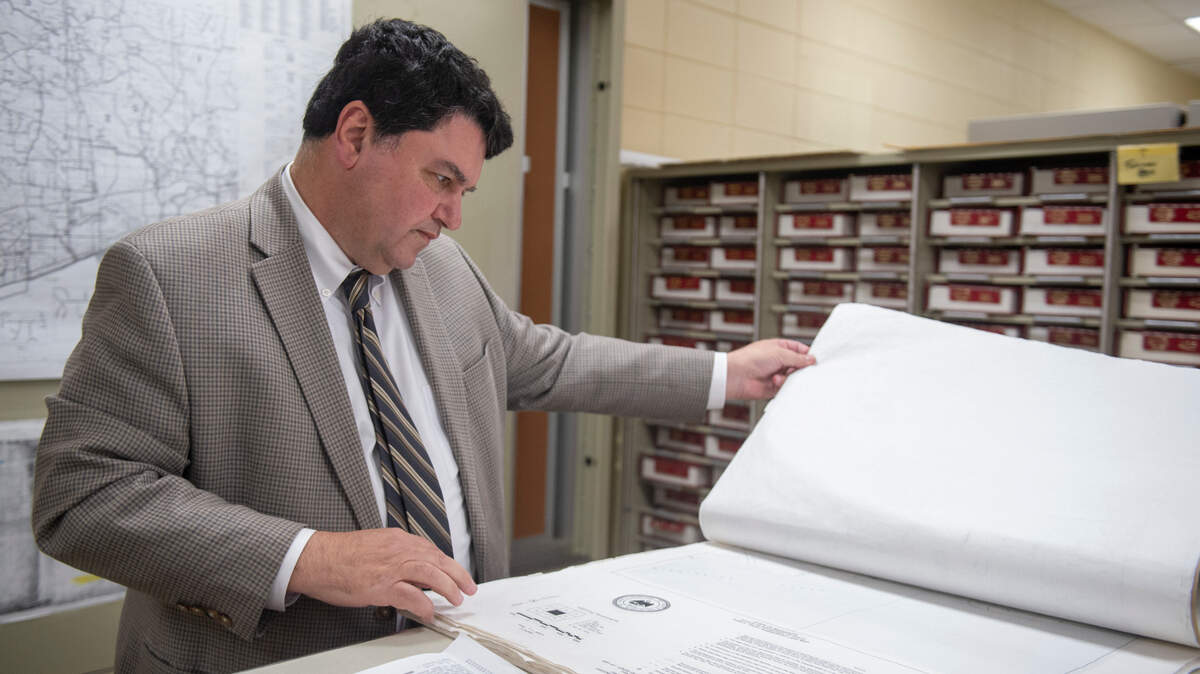
State legislators and Mississippi Coast officials are battling over control of the Mississippi Coast waterfront.
Under current law, the secretary of state ultimately controls property subject to the ebb and flow of the tide on bays and the Mississippi Sound. But state laws also give counties and cities the right to control their harbors, oversee the sand beach, and build piers for recreational purposes.
Now, bills proposed by the House and Senate would put complete control of the waterfront in the secretary of state’s hands. The proposed law combines portions of state gaming, tidelands, and ports and harbors laws. Attorneys for local government bodies are still trying to understand all the ramifications.
But the bottom line, they say, is the law could make Coast projects more costly and time-consuming by adding another layer of bureaucracy.
The Board of Supervisors on Monday voted to ask that the Legislature hold off on passing a bill until local officials can offer input. Supervisor Nathan Barrett said legislators are more likely to work from the Senate bill. A vote on the bill is expected Thursday.
The law also would prohibit casinos from locating across from the sand beach, one of its main purposes, putting out of contention some sites that could be marketed to casino developers.
Some local officials agree with the casino sand beach provision but wonder why the goal couldn’t be accomplished with a couple of sentences rather than multiple changes to state laws.
“It comes down to nothing more than it puts all tidelands under the secretary of state, without regard to any other governmental entity,” said Tim Holleman, attorney for the Harrison County Board of Supervisors. “That tidelands law gives him tremendous power over tidelands development and the casinos. And the (existing) casinos, of course, don’t want the competition if there is going to be another casino.”
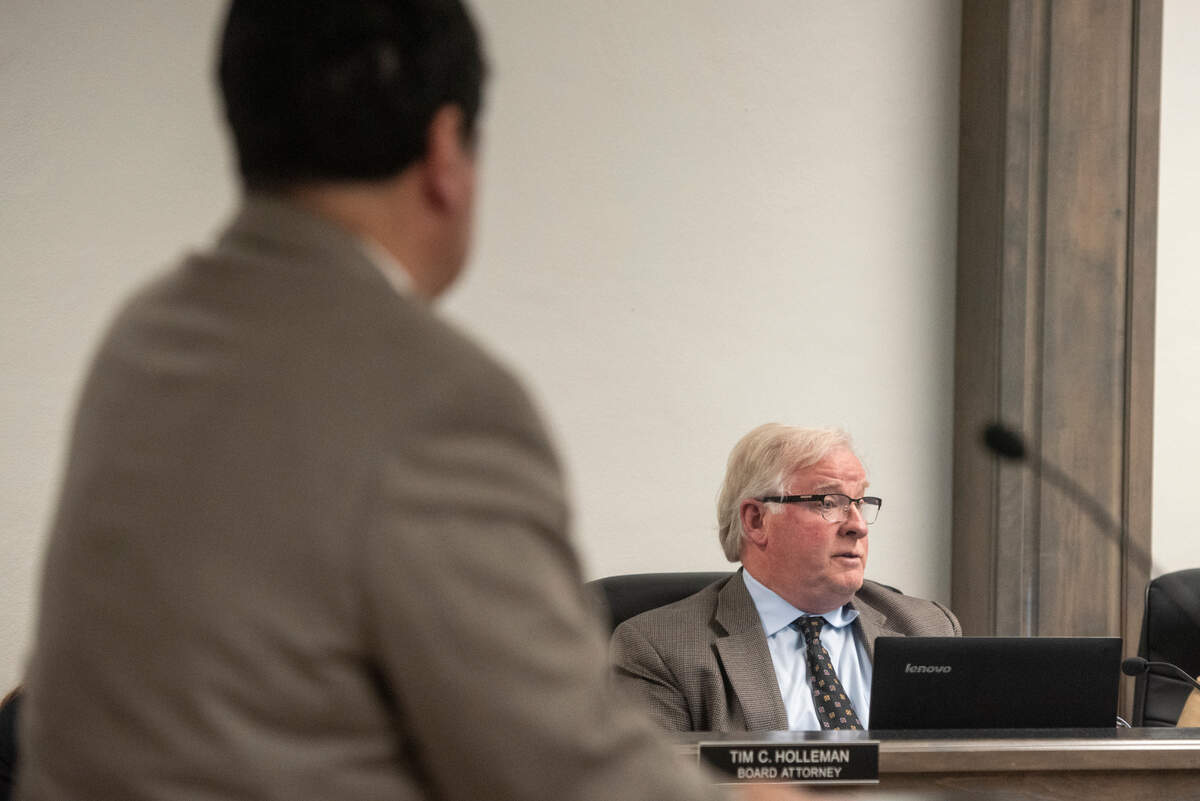
Harrison supervisors take action
Before the supervisors voted, they heard from Peter Abide, attorney for the city of Biloxi. He said that he and the mayor met with several Coast senators on Saturday. Those senators said they are looking at changes to the bill.
“Nothing is set in stone,” state Sen. Scott Delano, also a bill sponsor, told the Sun Herald on Monday. He said final action is 45 days away and the legislators will continue to meet with local leaders in working out the bill.
But local officials said they were not consulted before the bill was proposed. Casino operators have been given the chance to weigh in, bill sponsor David Blount, a former employee of the secretary of state and chairman of the House Gaming Committee, has previously told the Sun Herald.
If passed, the law is “going to generate lots of legal questions,” Abide told the Sun Herald. “Lot of issues. There’s issue after issue that we’re coming up against. Before this bill was dropped, we had zero input.”
Under the Senate bill, counties and cities also would need leases with the state to build piers over the water or possibly any structures, including benches, on the beach, Holleman said. He also wonders what the law would mean for beach vendors who now work off of county permits.
Barrett said he believes that the secretary of state should sign all leases for gambling-related activities, but he questions the office controlling leases the county has previously managed.

Rules on beach, tidelands leases change
The Secretary of State’s Office began asserting more control over tidelands under previous Secretary of State Delbert Hosemann, who served in the office from 2008-2019. As lieutenant governor, he now serves as president of the Senate and is in a position to exercise considerable influence over its members.
While cities traditionally controlled their harbors and the revenue they generated, Hosemann began requiring local governments to enter leases for harbor water bottoms and land. Most local governments, which receive tidelands funds from the state office, agreed to enter the leases. But Biloxi and Gulfport balked.
Gullfport sued the state agency, but then reached an agreement for rent-free lease of its harbor, which Hosemann had originally been unwilling to offer. The current law also would give local governments rent-free leases.
But, the proposed laws also add a layer of bureaucracy and expense for local governments wanting to provide waterfront amenities to the public.
For example, Holleman said, the county built the West Biloxi Pier along the seawall, a stretch of walkway enjoyed by residents and tourists.
But the county signed a lease for portions of the walkway that encroach on the sand beach. He said working up the lease was time-consuming and that surveys added expenses to the project.
Proposals kill potential casino deals
And even bigger concern for developers, and cities seeking revenue, is the casino projects the bill would kill.
Because no casinos could be built adjacent to the sand beach, properties in Biloxi would for the first time become ineligible for gambling, including East Biloxi land where the defunct Tivoli Hotel and Lady Luck Casino were located before Hurricane Katrina, said Dan Burton, financial advisor to one of the owners.
“The bill deals with three totally distinct sections of the law,“ said Biloxi attorney Michael Cavanaugh, who represents RW Development. “Until you see the whole bill and how each section affects other sections, it’s difficult to say whether you’re for or against it.”
The legislation was introduced after RW Development won a case before the state Supreme Court that gives it the right to lease waterfront property from the city of Biloxi. RW plans to build a pier on the property.
More importantly, the lease with Harrison County and Biloxi also gives the company a legal casino site on land north of the beach highway.
This story was originally published March 12, 2024 at 5:00 AM.