How this gay South MS millennial made history in Poplarville alderman’s race
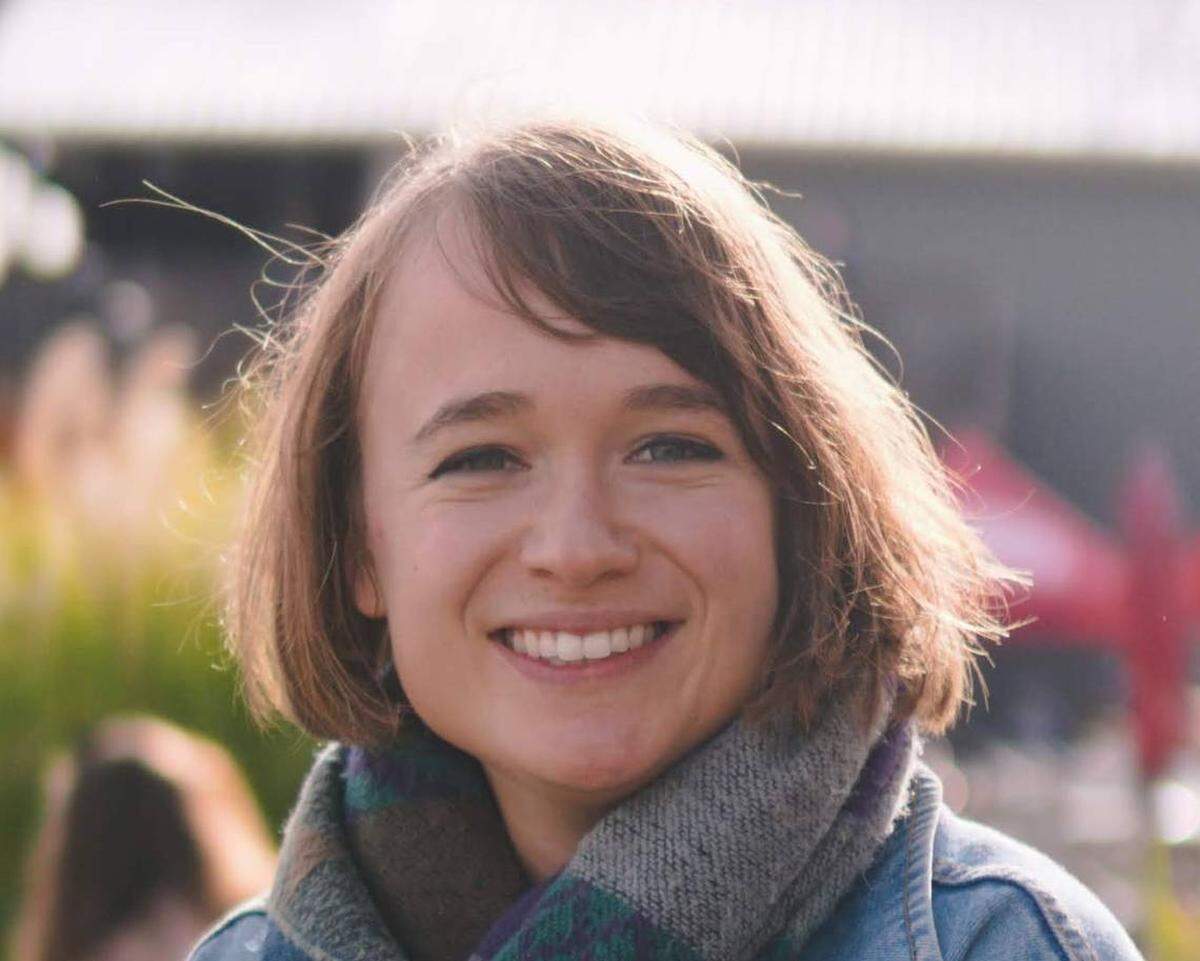
Jacob Cochran lost his race for alderman-at-large in Poplarville. But he still made history as one of Mississippi’s few openly gay candidates for public office.
Cochran, 28, got 114 votes in Tuesday’s election. Daniel Brown, his opponent, won with 204, according to the unofficial results announced yesterday evening.
Though Cochran lost the race, he became the first openly gay candidate in Poplarville, a conservative town of about 3,000 people. The Sun Herald could identify no other openly gay candidates who have run in South Mississippi.
“I don’t want to disappoint any young LGBTQ people that have never seen someone like them in office before,” he said before the polls closed on Tuesday.
After the results were announced, he was still thinking about the young people who might have been following the race.
“Keep fighting the fight,” he said.
If he had won, Cochran would have become the only openly gay elected official currently serving in Mississippi, according to the Victory Institute, a national organization that aims to increase the number of LGBTQ elected office-holders. South Dakota is the only other state with no openly gay officials.
Cochran kept his campaign focused on plans to help small businesses and revitalize downtown Poplarville. That didn’t stop a local pastor from denigrating him from the pulpit.
“We have a homosexual on the ballot in this city... done made it through the run-off,” said Jonathan Hatfield, preaching at College Heights Baptist Church on Sept. 20, before describing “the sin that he has in his life.”
“If they put him in office, what is he gonna enforce?” Hatfield continued. “Which direction is he going to go? It’s not going to be with a Christian mindset.”
When Cochran spoke out about the sermon, many in Poplarville, including Brown and some members of Hatfield’s church, expressed their support for Cochran. Mayor Rossie Creel told the Sun Herald discrimination against LGBTQ people didn’t represent his town.
After the results were announced, Cochran said he did feel that anti-gay bigotry had played a role in some voters’ decisions.
“The number of people who feel that way is diminishing,” he said, referring to Hatfield. “It’s no longer okay to say something like that without being called out.”
Rob Hill, Mississippi director for the Human Rights Campaign, a national organization that advocates for LGBTQ equality, said Cochran’s candidacy, and his response to bigotry, provided an important example.
“I think about the young person that knows about Jacob, and knows about his candidacy, that someone is strong and willing to live their life openly,” he said. “Jacob’s story can be something that uplifts a young person, or anybody that’s struggling with coming to terms with who they are.”
Poplarville a ‘quaint’ and ‘close-knit’ town
On Tuesday, voters in Poplarville’s run-off offered adjectives for their community. Michele Lewis, who considers herself a Poplarville booster, called it “quaint.” Her husband John said it is “close-knit and family-oriented.” The town declares itself the Blueberry Capital of Mississippi, and it’s known for the Blueberry Jubilee festival every June (though this year’s was canceled because of COVID-19).
Voters ran into neighbors while filling out ballots at City Hall. Strolling through downtown just before the polls closed, Cochran recognized a friend’s truck parked outside a row of shops. He pointed out the community theater where he volunteered before termite damage rendered the building unusable.
Like much of small-town Mississippi, Poplarville is a conservative place.
In 2016, when the state Legislature passed House Bill 1523, which allows people with “sincerely held” religious beliefs to choose not to provide services to people because they are gay, all of Pearl River County’s representatives and senators voted for the measure.
Most voters the Sun Herald interviewed at the polls said neither Cochran’s sexual orientation nor the preacher’s comments had influenced their decision. No one was aware that Cochran would become the state’s only LGBTQ official if he won.
Lewis, who voted for Cochran, said on Tuesday she was focused on who could help Poplarville grow.
“I’m just gonna leave that alone,” she said of Hatfield’s remarks. “It’s in the past.”
Kirby Campbell said he had voted for Daniel Brown because he knows him personally, but thought Cochran would probably do a good job, too.
“Their personal life does not affect how they would run a business,” Campbell said.
Kimra Torrence, 52, said she chose to vote for Cochran because he’s younger, and she wants to see new voices in local politics. Her three sons, ages 24 to 30, don’t want to stay in Poplarville.
“There’s nothing to hold our kids here,” she said.
Torrence said the criticism of Cochran from the pulpit was “pitiful.” She believes the younger generation is more open-minded.
Marnie Ready said she doesn’t tell people who she votes for. But she did say that she didn’t think anyone’s sexuality had anything to do with the race. After spending almost her entire life in Poplarville, the 51-year-old said she’s seen a shift in attitudes towards gay people, however subtle.
“It just seems like it’s more not taboo,” she said. “I guess it’s just a gradual acceptance of who people are.”
History of gay politicians in Mississippi
Mississippi lags far behind the rest of the country in electing LGBTQ people to political office; it’s one of only a handful of states that has never elected an openly gay state legislator.
The history of gay politicians in the state is a story of cruelty and at times tragedy.
Jon Hinson, who represented Mississippi’s 4th Congressional District in the U.S. House, which includes Pearl River County, resigned in 1981 after being arrested on an oral sodomy charge. (Consensual gay sex was illegal at the time.) He then came out and became a gay rights activist, but he never again lived in Mississippi.
Greg Davis was the mayor of Southaven when he came out as gay in 2011. Facing legal problems, he lost his reelection bid and hasn’t held office since.
Marco McMillian was running to be Clarksdale’s first gay mayor when he was murdered in 2013.
In 2015, Joce Pritchett became the first openly gay Mississippian to run for statewide office with her bid for state auditor; she was defeated in the general election.
In recent years, openly gay candidates for the U.S. House and state senate faltered in their primaries.
The Sun Herald could identify only two other openly gay people to win a board of alderman election in the state: Mercedes Ricks, a lesbian and restaurant owner in the small town of Magnolia in southwest Mississippi, and Mike Carroll, a gay man and now-retired flight attendant in Ashland, near Tupelo.
As an alderman, Ricks led Magnolia to become the second Mississippi city, after Jackson, to pass an ordinance against discrimination against LGBTQ people following the passage of House Bill 1523.
On Tuesday night, Cochran and Brown sat with friends and supporters in a conference room at City Hall as the votes were tallied.
When Brown was announced as the winner, Cochran rose to congratulate him. Cochran credited Brown, whom he called “a great choice,” with running a fair campaign; Brown described Cochran as “a brilliant human being who brings a lot to the conversation.”
After hearing the result, Cochran said he planned to go have a scotch, and then get ready to go to work in the morning. He wants to run for office again.
“It just wasn’t my time yet,” he said.