
Shrimp Processors say consumers can end slavery in industry
The American Shrimp Processors Association said an Associated Press investigation into the overseas shrimp industry underscores the importance of asking for Gulf shrimp at stores and restaurants.
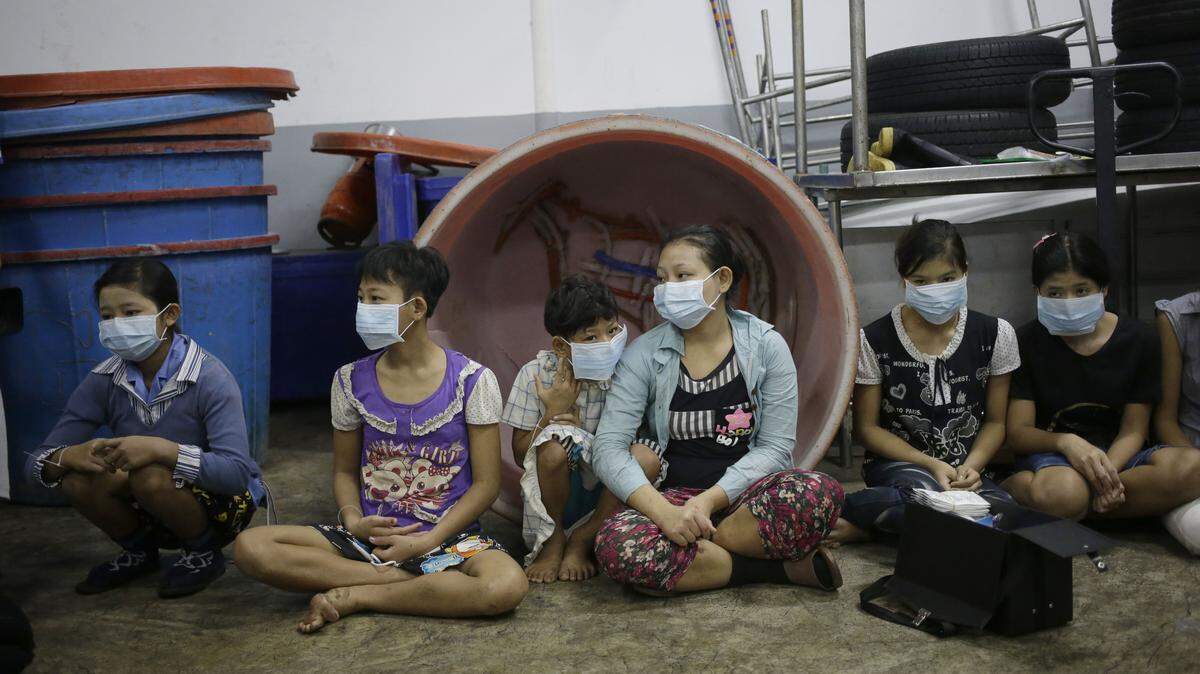
The AP investigative article that appeared in the Sun Herald this week said slaves were being used to peel shrimp in Thailand that were being sold in U.S. restaurants and grocery chains.
"Whether it's asking your restaurant server or seafood market to show you the package, or simply taking the time to look at the package you are buying in the grocery store, it is more important than ever to know where your shrimp are from," said David Veal, executive director of Biloxi-based trade group that represents the interests of the U.S. wild-caught, warm-water shrimp processing industry along the Gulf and South Atlantic.
"Currently, an estimated 90 percent of the shrimp consumed in the U.S. are imported, farm-raised shrimp. The premium, natural, antibiotic-free shrimp processed by ASPA members are only about 10 percent of the total," Veal said in a press release. "Our members account for the vast majority of domestic, U.S. production of warm-water shrimp from Gulf and South Atlantic waters. They take pride in their U.S. regulatory-compliant processing facilities, and they follow all U.S. labor practices. If it says Wild American or Gulf shrimp on the package -- whether it's a restaurant-sized package or a retail package, it will say where it's from," Veal added. "But people need to proactively seek out this information."
Jonathan McLendon, vice president of ASPA and president of Wild American Shrimp Inc., said consumers can make a difference. "If we buy imported shrimp in a store or order them at a restaurant, under current U.S. regulations, there is no way to know for sure what is in those shrimp or whether they were produced with slave labor.
"You can remind the restaurants and grocery stores that you use, and if you are not comfortable with their answers or their choices in shrimp, you can educate them. You can encourage them to buy wild-caught American shrimp. It's very easy. There's a 'Where to Buy' tab on our website, americanshrimp.com."
Since the report came out, many businesses said they were investigating where their seafood comes from and the conditions for workers at their suppliers. U.S. officials and activists have called for a boycott of businesses named in the AP report.