MS relies on FEMA, but Trump’s moves raise doubts as hurricane season looms
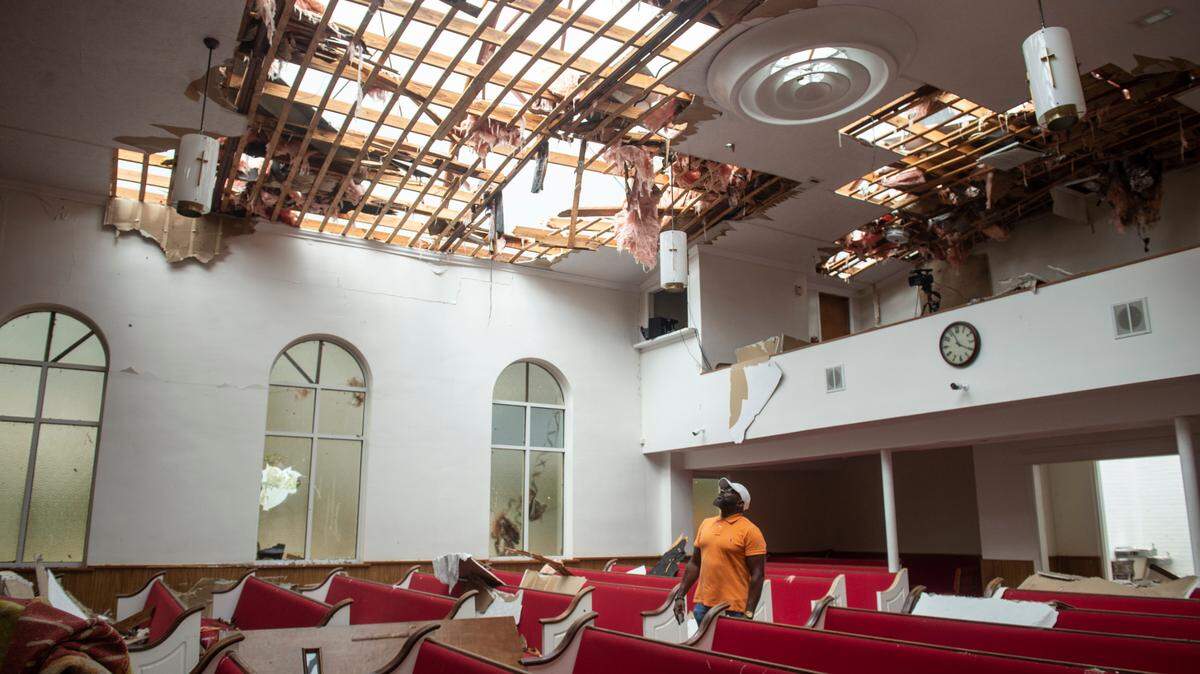
As hurricane season approaches, South Mississippians are left to wonder how they and their communities would recover with less financial assistance and direction from the Federal Emergency Management Agency.
President Trump has indicated states should play a bigger role in disaster recovery. Most recently, Trump denied the state of Arkansas a major disaster declaration to assist in recovery from tornadoes and severe storms that hit March 14-15. Gov. Sarah Huckabee Sanders, a Trump press secretary during his previous administration, has appealed the ruling.
Mississippi awaits a ruling on its own request for a major disaster declaration from the same severe weather system.
Sanders submitted her state’s request more than a week ahead of Mississippi’s. While multiple factors go into approval for public and individual assistance, the decision is ultimately Trump’s.
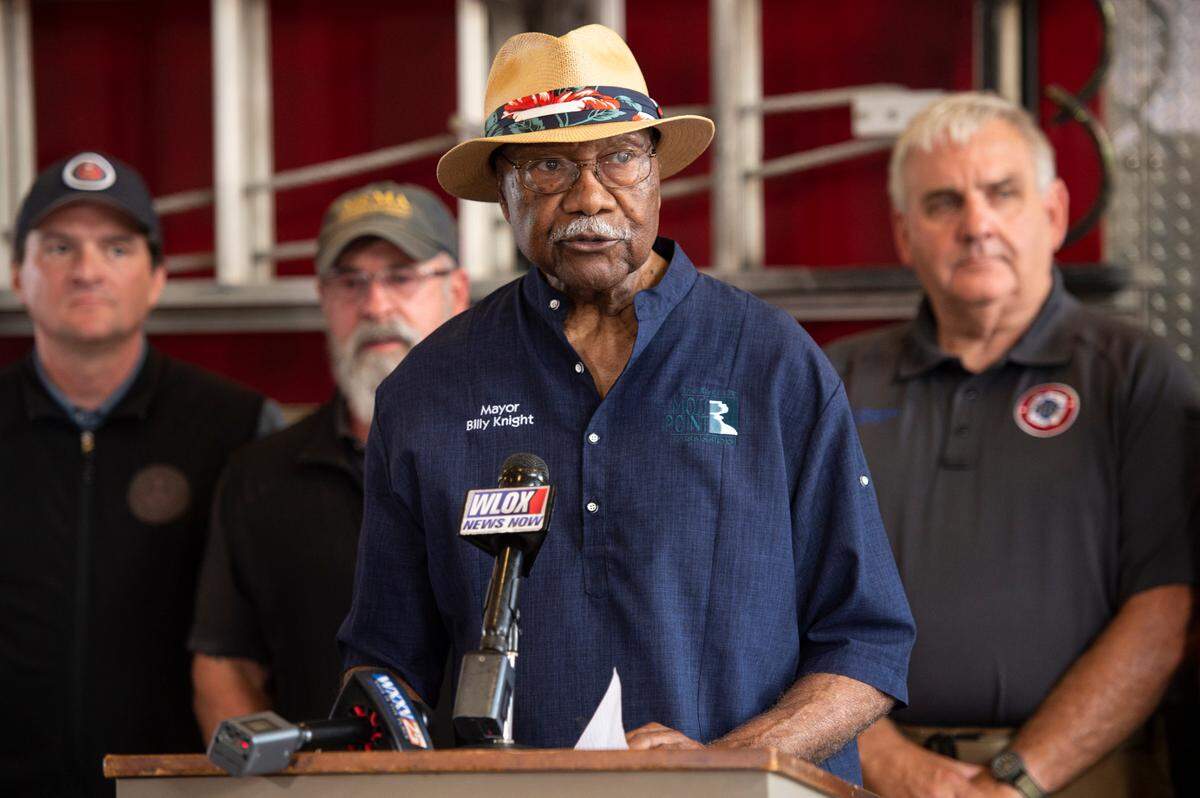
Moss Point Mayor Billy Knight, a Democrat, lamented what happened with the request from Arkansas. He knows what FEMA assistance means in a disaster.
“Without support from the federal government, these small communities in states like Mississippi and Arkansas do not have the resources to get us back where we were,” Knight said.
Tornado recovery in South MS
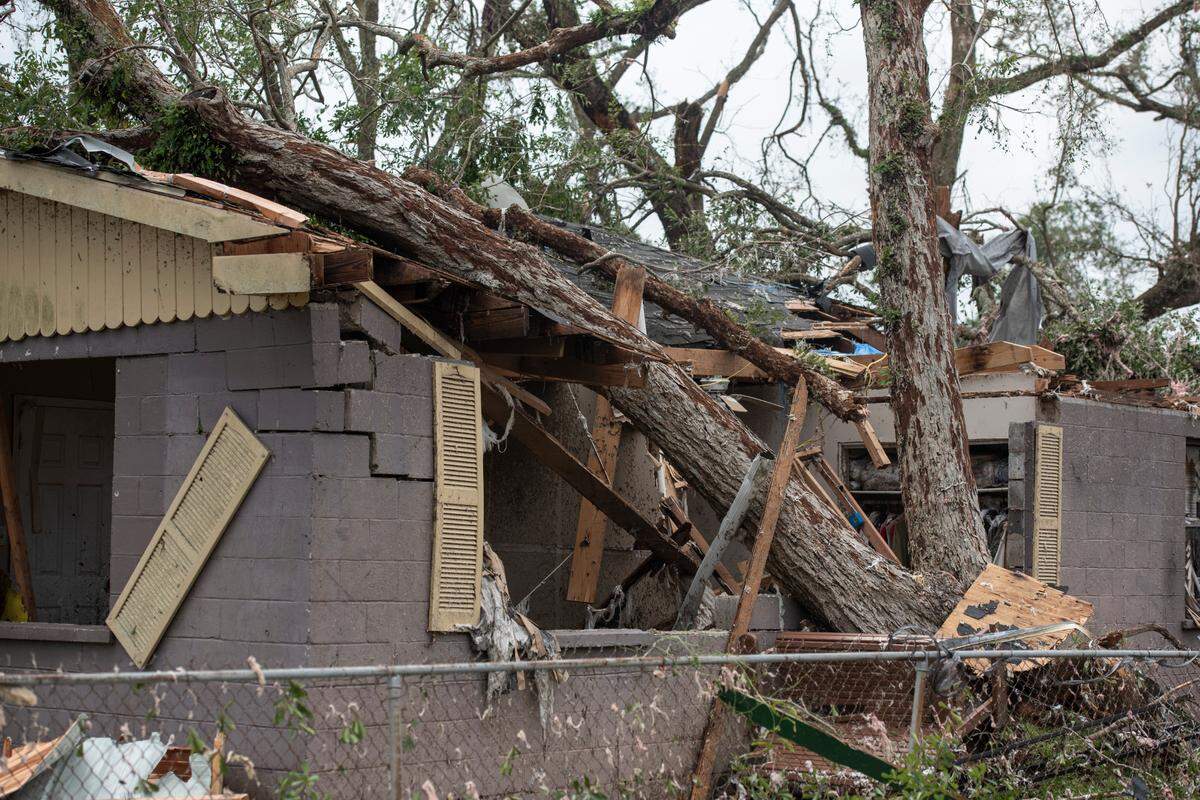
Moss Point is in one of the 29 Mississippi counties, plus the Choctaw Indian Reservation, that received FEMA assistance to remove debris, and replace public infrastructure and buildings, after a record-breaking 19 tornadoes in June 2023. FEMA says it obligated almost $2.3 million to assist individuals and almost $8.9 million for public emergency and permanent work after a major disaster declaration.
FEMA typically pays 75% of public expenses when a major disaster is declared, with state and local governments picking up the remaining 25%. FEMA reimburses the expenses rather than covering them up front, a process that can be long and cumbersome.
Cash-strapped Moss Point took out a $1 million line of credit to cover debris removal, receiving $578,852 in reimbursements. FEMA paid the majority, with the Mississippi Emergency Management Agency covering 12.5%, Knight said. Moss Point will pay the remaining 12.5%.
Knight said damage to city buildings is still being assessed. “We haven’t gotten a dime for that,” he said, noting the city is able to use a damaged recreation building.
The Mississippi localities hit by the most recent round of tornadoes will have to rely on their own resources, the Mississippi Emergency Management Agency, long-term recovery committees and volunteer labor if FEMA assistance isn’t forthcoming, a MEMA spokesman said.
The severe weather spawned 18 tornadoes, storms, flooding and straight-line winds, MEMA Executive Director Stephen McCraney said. Seven deaths have been attributed to the storms. Gov. Tate Reeves is seeking individual assistance for 14 counties and public assistance for 17 counties.
Individual assistance could include grants for temporary housing and home repairs, low-interest loans and other programs.
A state disaster trust fund that can be used for recovery costs averages a balance of about $8.5 million, MEMA said.
High cost of hurricane recovery
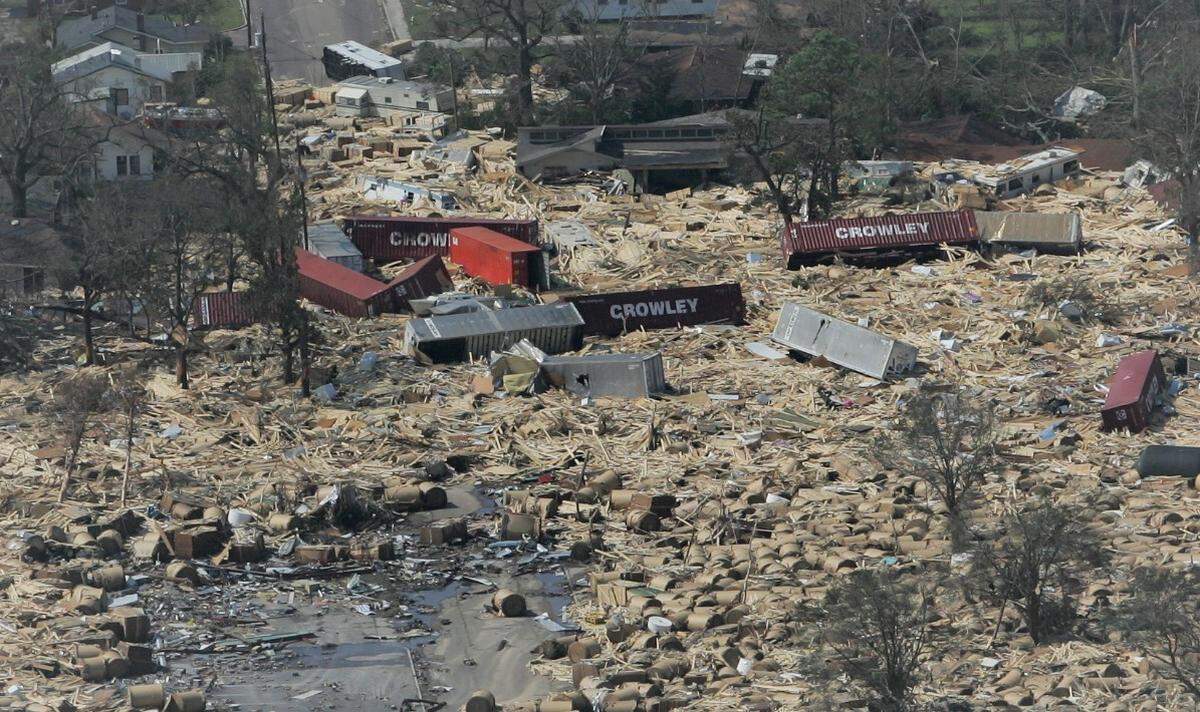
The cost of recovering from hurricanes can be daunting. For example, the late Republican Sen. Thad Cochran was serving in the powerful position of Senate Appropriations Committee chairman when Hurricane Katrina hit in August 2005.
With the help of then-Gov. Haley Barbour and Mississippi’s congressional delegation, Republicans and Democrats alike, Cochran secured $24.6 billion for Mississippi’s recovery. The money covered a wide range of programs for local governments and homeowners, and it flowed through more than one agency.
Chip McDermott was an alderman at-large, and then mayor, in hard-hit Pass Christian after the hurricane. The small city lost its main revenue source, a Walmart Supercenter since rebuilt.
He said Pass Christian received at least $100 million in relief funds through FEMA and the U.S. Department of Housing and Urban Development.
FEMA, he said, “jump-started everything we did.”
He added: “Without the American taxpayer and the volunteers who came here, we wouldn’t have anything. Nothing.”

FEMA drawbacks examined
But there are drawbacks to dealing with FEMA. For public damage, the agency will replace only what existed. Improvements aren’t covered. If expenses are not properly documented, reimbursement is denied. The process can be grueling.
“It’s their money and their rules and you’ve got to follow them,” McDermott said. “It’s complicated, believe me. The FEMA guidelines have got more terminology than an NFL playbook.”
Trump issued an executive order Jan. 24 calling for a thorough examination of FEMA. His order said that the agency needs to “drastically improve.” He wants an examination of whether FEMA’s bureaucracy hinders disaster response.
The order also included his much-cited suggestion that FEMA play a support role to states “rather than supplanting state control of disaster relief.”
But McDermott wonders how states could manage disaster relief.
“I don’t know if the state’s carrying that kind of money,” he said. “I doubt seriously that any state would have that kind of money.”
This story was originally published April 28, 2025 at 5:00 AM.