Biden set to sign executive actions tackling climate change. Here’s what they’ll do
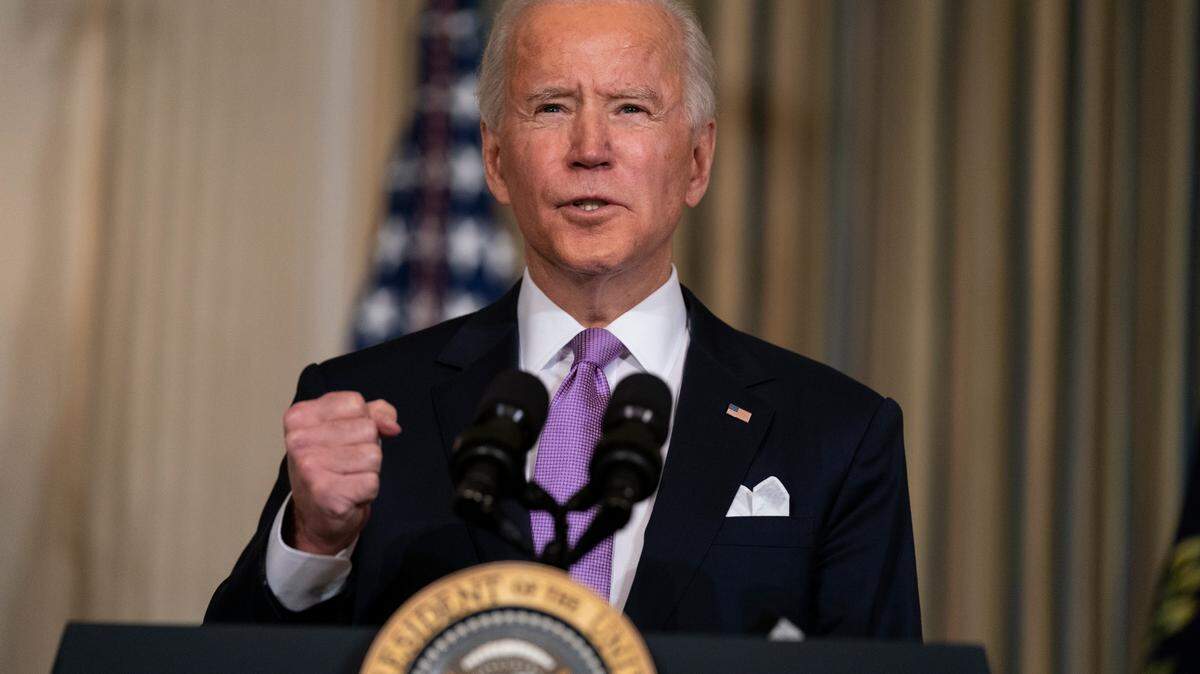
President Joe Biden will take executive actions Wednesday to address the climate crisis.
Since taking office a week ago, Biden has signed dozens of executive orders — some aimed at overturning policies enacted under former President Donald Trump — to address the coronavirus pandemic, LGBTQ and racial equity, manufacturing, and environmental and immigration issues, among other things.
His orders Wednesday will add to his previous executive actions related to the environment, including revoking the Keystone XL pipeline permit and taking steps to rejoin the Paris Agreement.
‘Tackling the climate crisis at home’
Biden will sign a sweeping executive order that establishes “climate considerations” as a matter of U.S. foreign policy and national security and initiates a number of steps to combat the climate crisis in the U.S. and around the world.
▪ The Paris Agreement: The order will develop the United States’ emission reduction target under the Paris Agreement, a pact that aims to decrease greenhouse gas emissions and limit global warming.
▪ Biden’s order also instructs the director of national intelligence to prepare a National Intelligence Estimate on security implications of climate change, the State Department to prepare a “transmittal package to the Senate for the Kigali Amendment to the Montreal Protocol” and directs all agencies to “develop strategies for integrating climate considerations into their international work.”
▪ White House Office of Domestic Climate Policy: The order establishes a new office, which will be led by the first national climate adviser and tasked with leading Biden’s domestic climate agenda.
▪ National Climate Task Force: The order establishes the group, which will consist of leaders from across 21 federal agencies and departments.
▪ Carbon pollution-free electricity and clean, zero-emission vehicles: The order requires that agencies get “clean” vehicles to “create good-paying, union jobs and stimulate clean energy industries.” The order also requires the purchases be “Made in America.”
▪ Federal agencies are directed to ”increase the resilience of (their) facilities and operations to the impacts of climate change” and to “report on ways to expand and improve climate forecast capabilities.”
▪ Oil and natural gas leases: The order directs the interior secretary to pause new leases on public lands and offshore waters, to review existing leases and permits related to “fossil fuel development on public lands and waters” and to identify possible steps toward doubling renewable energy production from offshore wind by 2030.
▪ Fossil fuel subsidies: Biden’s order directs federal agencies to end the subsidies and find “new opportunities to spur innovation, commercialization, and deployment of clean energy technologies and infrastructure.”
▪ Infrastructure: The order requires that each government infrastructure investment reduces climate pollution.
▪ The order commits to conserving at least 30% of lands and oceans by the year 2030.
▪ Civilian Climate Corps Initiative: Biden calls for its establishment. It would “put a new generation of Americans to work” on conservation and addressing climate change.
▪ Working with farmers: The secretary of agriculture is directed under the order to get input from farmers and on “climate-smart agricultural practices” and job creation for rural Americans.
▪ Interagency Working Group on Coal and Power Plant Communities and Economic Revitalization: The order establishes the group, which will be tasked with reducing emissions of toxins and greenhouse gases and preventing environmental damages that are harmful to public health, among other things.
▪ Environmental justice: The order establishes the White House Environmental Justice Interagency Council and White House Environmental Justice Advisory Council, which will be tasked with addressing the “disproportionate health, environmental, economic and climate impacts on disadvantaged communities.” It also establishes the Justice40 Initiative to deliver 40% of federal investment benefits to “disadvantaged communities.” The Climate and Environmental Justice Screening Tool will identify those communities and support the initiative.
Scientific Integrity and Evidence-Based Policy-making
Biden will sign a presidential memorandum directing agencies to make decisions based on “the best available science and data.”
The memorandum tasks the Director of the Office of Science and Technology Policy with “ensuring scientific integrity across federal agencies” and reviewing and assessing the effectiveness of scientific-integrity policies.
“In addition, agencies that oversee, direct or fund research are tasked with designating a senior agency employee as chief science officer to ensure agency research programs are scientifically and technologically well founded and conducted with integrity,” the White House says.
President’s Council of Advisors on Science and Technology
Biden will sign an order re-establishing the President’s Council of Advisors on Science and Technology, which will advise on policies affecting science, technology and innovation.
“The Council will also advise the President on scientific and technical information that is needed to inform public policy relating to the economy, worker empowerment, education, energy, environment, public health, national and homeland security, racial equity and other topics,” the White House says.
This story was originally published January 27, 2021 at 11:22 AM with the headline "Biden set to sign executive actions tackling climate change. Here’s what they’ll do."