
Strikes in UAE, Oman, at sea straining Iran truce to breaking point
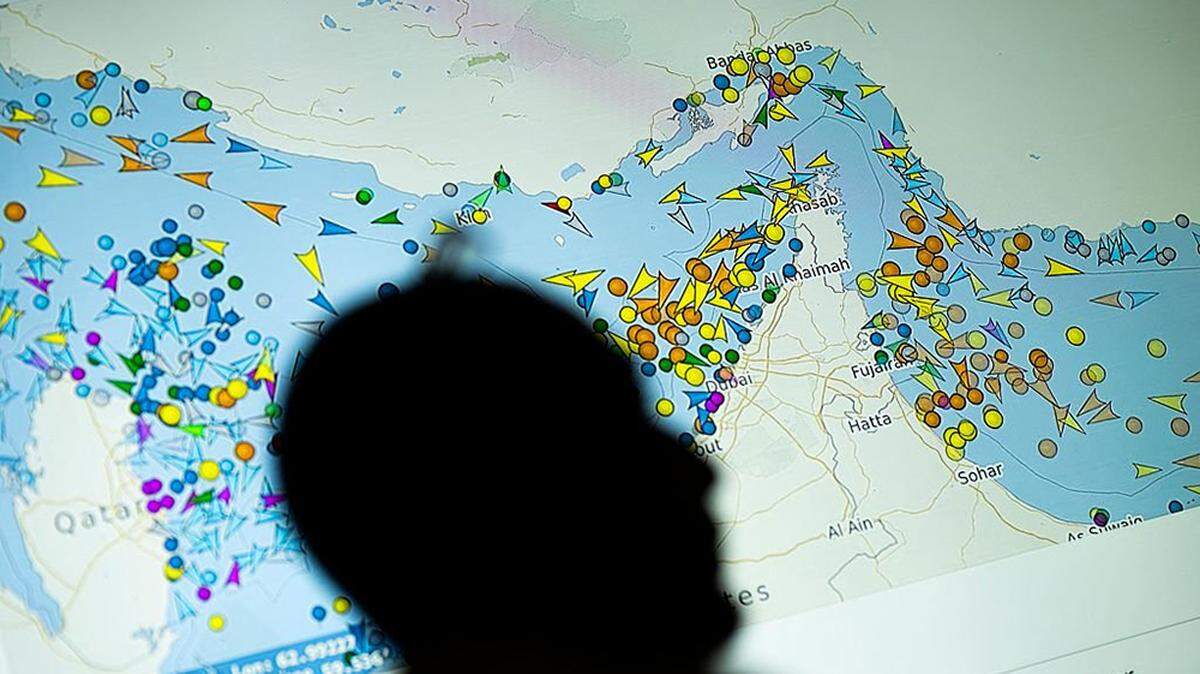
Violence flared anew in and around the Persian Gulf on Monday, as the United Arab Emirates said Iran had fired missiles and drones at its territory and the U.S. military said it sank several Iranian military boats, straining the fragile ceasefire in the Middle East.
UAE authorities blamed Iran for attacks on a major oil port and an oil tanker in the Strait of Hormuz, in the first such attacks since the truce began four weeks ago. Oman also reported an attack that injured two people in the coastal town of Bukha, near UAE territory, without identifying the perpetrator.
Loud booms shook the UAE city of Dubai as air defense missiles detonated high overhead. U.S. Central Command said it had shot down Iranian missiles and drones aimed at ships and around the strait.
It was not clear if the attacks signaled the collapse of the strained truce and a resumption of active warfare. Iran did not officially confirm or deny that it had resumed attacks, and a senior military official denied on state media that its boats had been sunk.
Iran has frequently targeted energy infrastructure in Gulf countries that host U.S. military bases since Israel and the United States attacked in late February, beginning the war. But those attacks on Iran’s Gulf neighbors more or less came to a halt when a ceasefire went into effect on April 8.
At least three Indian citizens were injured when an Iranian drone struck an oil industrial zone in Fujairah, a UAE port at the southern end of the Strait of Hormuz, local authorities said. Oman, without assigning blame, said a residential building near the strait had been struck, with two people injured.
No casualties were reported in the attack on a UAE oil tanker. South Korea’s government confirmed an explosion and fire in the same area on a ship belonging to a South Korean company, but did not say it had been attacked.
Negotiations between Iran and the United States, mediated by Pakistan, on a comprehensive deal to end the war have stalled, as both sides have drawn seemingly incompatible red lines. The Trump administration had sought to pressure Iran to end its blockade of the Strait of Hormuz in the Persian Gulf with a new military operation to help commercial ships stuck in the waterway to leave.
Central Command said Monday that several U.S. Navy vessels had steamed through the strait, and that they had accompanied a few commercial ships. Iranian officials threatened to retaliate against U.S. warships or other vessels that sought to run their blockade.
Iran’s grip on the Strait of Hormuz, a vital route for oil and gas, has rattled markets and sent energy prices skyrocketing worldwide. In response, the United States has imposed its own blockade of Iranian ports.
President Donald Trump had initially conditioned the ceasefire with Iran on the end of the Iranian blockade. But Iran has effectively prevented most traffic from traveling through the waterway, and Iran continues to assert that it has the right to control which ships can pass and also to assess tolls on them.
Trump said on social media that Iran had “taken some shots at unrelated Nations,” including a South Korean cargo ship, in connection with an initiative he announced on Sunday called Project Freedom to help guide stranded ships out of the Strait of Hormuz. He provided few details on how the initiative would work.
Trump said in his Truth Social post that the U.S. had shot down seven “small boats” and that, other than the South Korean ship, there had been “no damage going through the Strait.” He said that Defense Secretary Pete Hegseth and Dan Caine, the chair of the Joint Chiefs of Staff, would hold a news conference on Tuesday.
After Trump announced Project Freedom, Ali Abdollahi, a top Iranian military commander, cautioned “all commercial ships and oil tankers to refrain from any attempt to transit without coordination with the armed forces,” Iranian state media reported Monday.
Trump, for his part, warned that any Iranian interference in the operation to free stranded ships would be dealt with “forcefully.” But it remains unclear how many vessel owners and insurers will feel secure enough to make the potentially dangerous trip.
U.S. officials have offered little clarity as to how much protection they are actually offering to ships seeking to traverse the waterway, which is now littered with Iranian mines and menaced by Iranian forces.
European countries, including Britain and France, have sought to find ways to ensure ships can freely pass through the Strait of Hormuz. But they have expressed little interest in joining the fray until after the war ends.
Trump has argued that they ought to help police the waterway immediately, which European leaders fear could draw them into the war.
This article originally appeared in The New York Times.
Copyright 2026 The New York Times Company
This story was originally published May 4, 2026 at 11:20 AM.