Deep-sea creatures — with their own lure — discovered as new species in Asia. See them
As the ocean gets deeper, the creatures hiding in the dark water get just a little bit weirder.
The ocean floor remains largely unexplored, and while it may not hold the highest density of animals, there are still many species to discover on the sandy bottom.
Take goosefish, for example.
Typically found in the deep sea, goosefish have flat, compressed bodies that are perfectly adapted for their high pressure environment, according to a study published July 15 in the European Journal of Taxonomy.
Goosefish are part of the anglerfish family and have a built-in lure growing from the top of their head to attract prey to their gaping mouths, researchers said.
Now, in the ports of southeastern Asia, new goosefish species have been discovered.
Over the course of six oceanographic expeditions, research teams traveled to fishing ports in Japan, Taiwan and Thailand in the search of deep-sea species, according to the study.
Goosefish were pulled from the depths as part of the research, but some of them stood out from other known species, and three were identified as completely new to science.
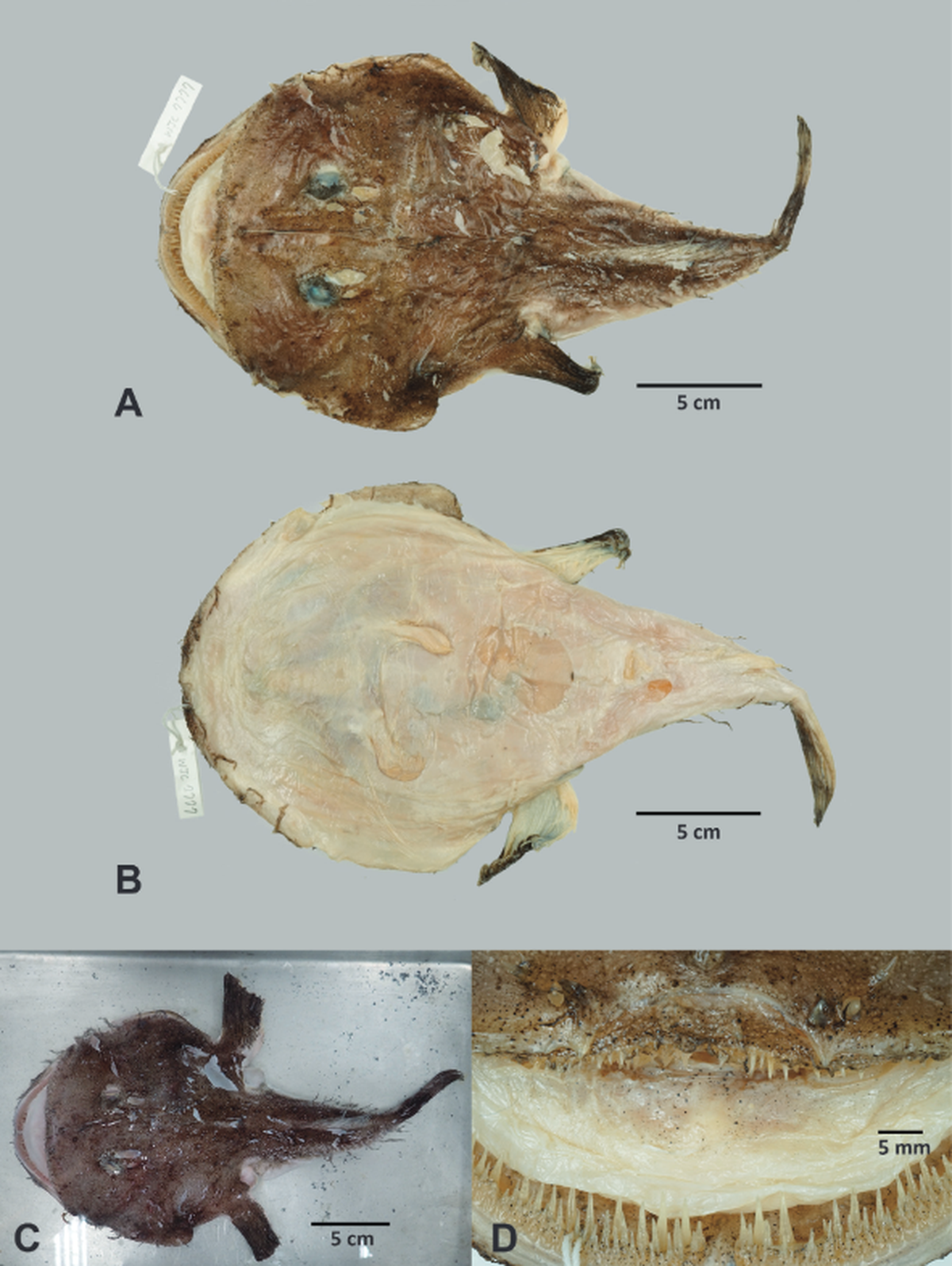
First, Lophiomus immaculioralis, is about 10 inches long and was found in a fish landing port in Thailand at around 650 feet of depth, according to the study.
The fish’s name comes from Latin words “immaculi-,” meaning unstained, and “oralis,” meaning oral, referring to its lightly colored mouth floor, researchers said.
The rest of the body, however, is a reddish-brown color with irregular pale spots down the back of the fish, according to the study.
Its head is “relatively short,” researchers said, and small and enlarged teeth protrude from its wide mouth that spans nearly the entire width of the head.
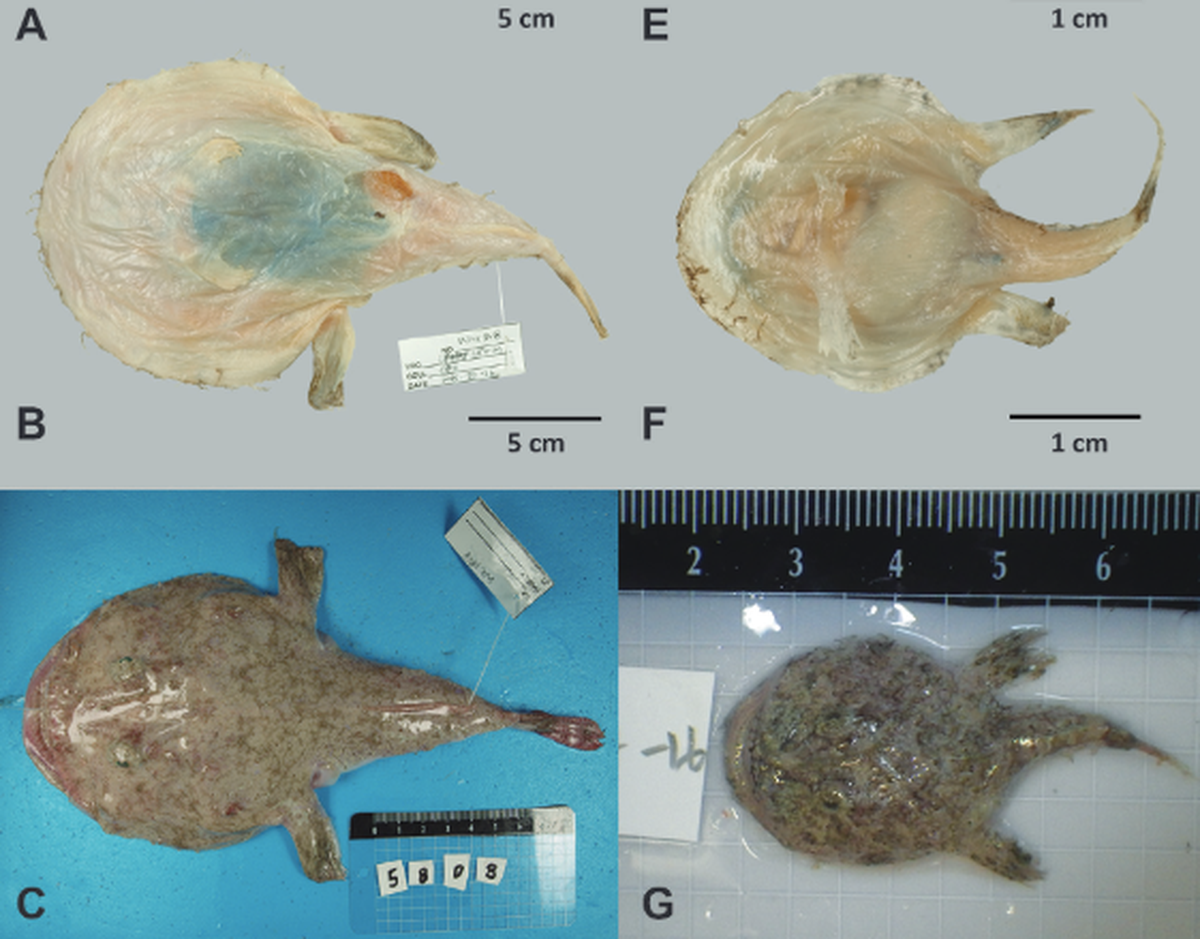
Lophiomus nigriventris, on the other hand, is a light khaki color with a black peritoneum, or the membrane that surrounds the stomach and intestines. This black membrane can be seen from the outside of the fish’s body when flipped upside down.
Its name comes from the Latin words “niger,” meaning black, and “venter,” meaning belly, researchers said.
This species is smaller than L. immaculioralis, only about 8 inches long, according to the study, and has “slender” spines along its back fins.
The fish was discovered in the South China Sea.
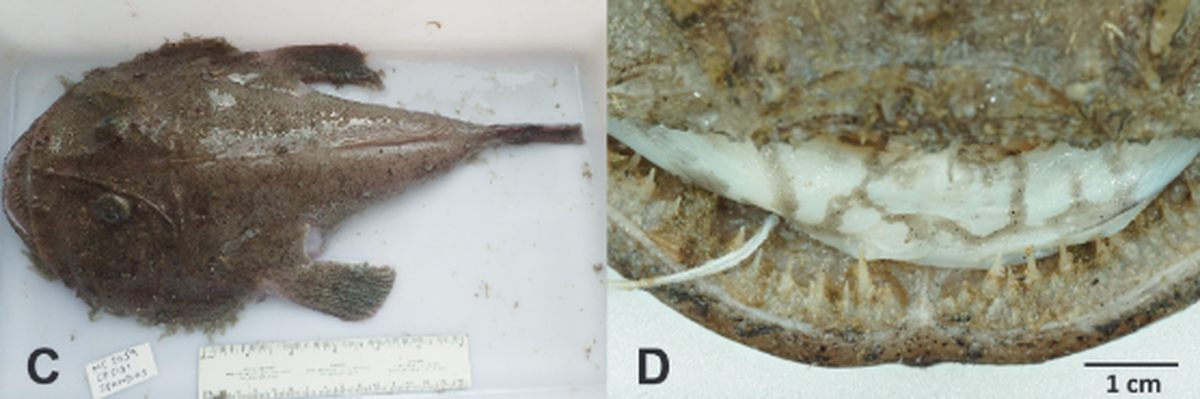
Lastly, Lophiomus carusoi, named for ichthyologist John Caruso, is the largest of the three and can grow to more than 10 inches long, according to the study.
It has a similar brown outer color and black belly, but the species is unique in its reticulated pattern on the floor of its wide mouth, researchers said.
It was captured in the Coral Sea off New Caledonia in the west Pacific.
Goosefish, like other anglerfish, use a fleshy “lure” on the top of their head to goad prey closer to their camouflaged body on the seafloor, according to the Ocean Conservancy.
Their teeth face inward toward the fish, trapping anything that gets too close, the conservancy said.
This story was originally published July 16, 2024 at 1:44 PM with the headline "Deep-sea creatures — with their own lure — discovered as new species in Asia. See them."