Newborn whale seen with mom of a usually antagonistic species in Iceland, study says
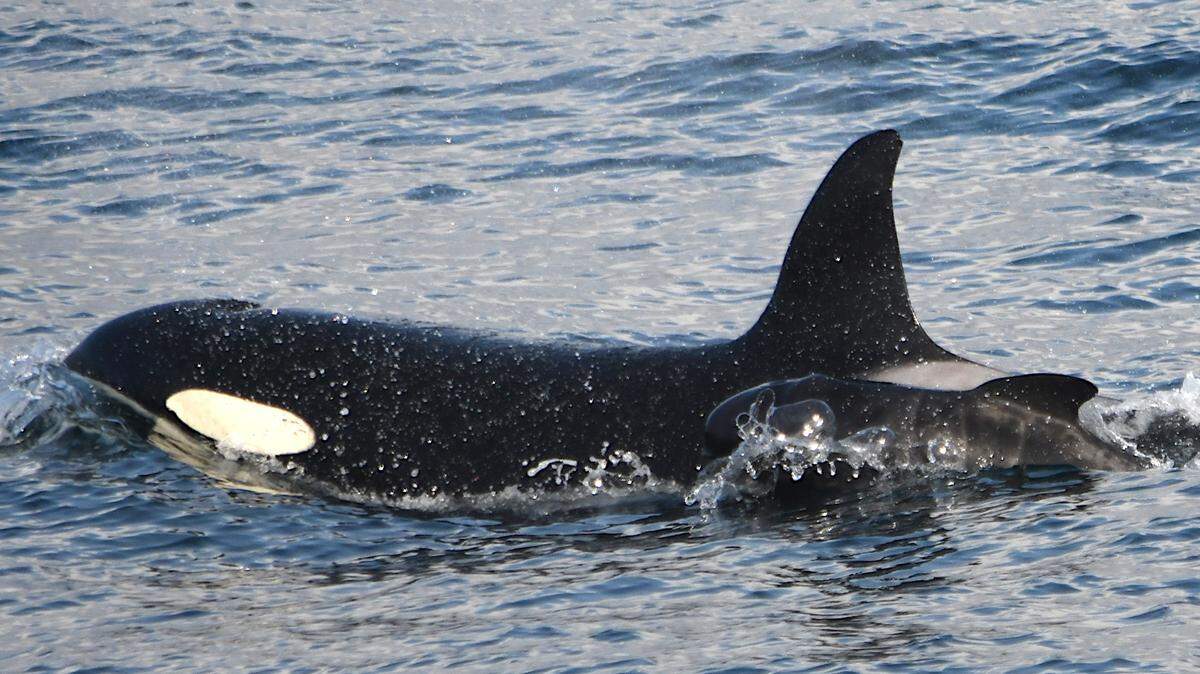
Two sleek black shapes surfaced, emerging from the waters off the coast of Iceland. The larger whale had a distinctive black and white pattern, and a small black whale swam at her side. To the untrained eye, the pair may appear natural.
To scientists, however, the pair was a surprising, first-of-its-kind combination.
A group of three killer whales, identified as Dragonfly, Sædís and Zale, was spotted together near Snæfellsnes in August 2021, according to a study published Feb. 17 in the Canadian Journal of Zoology.
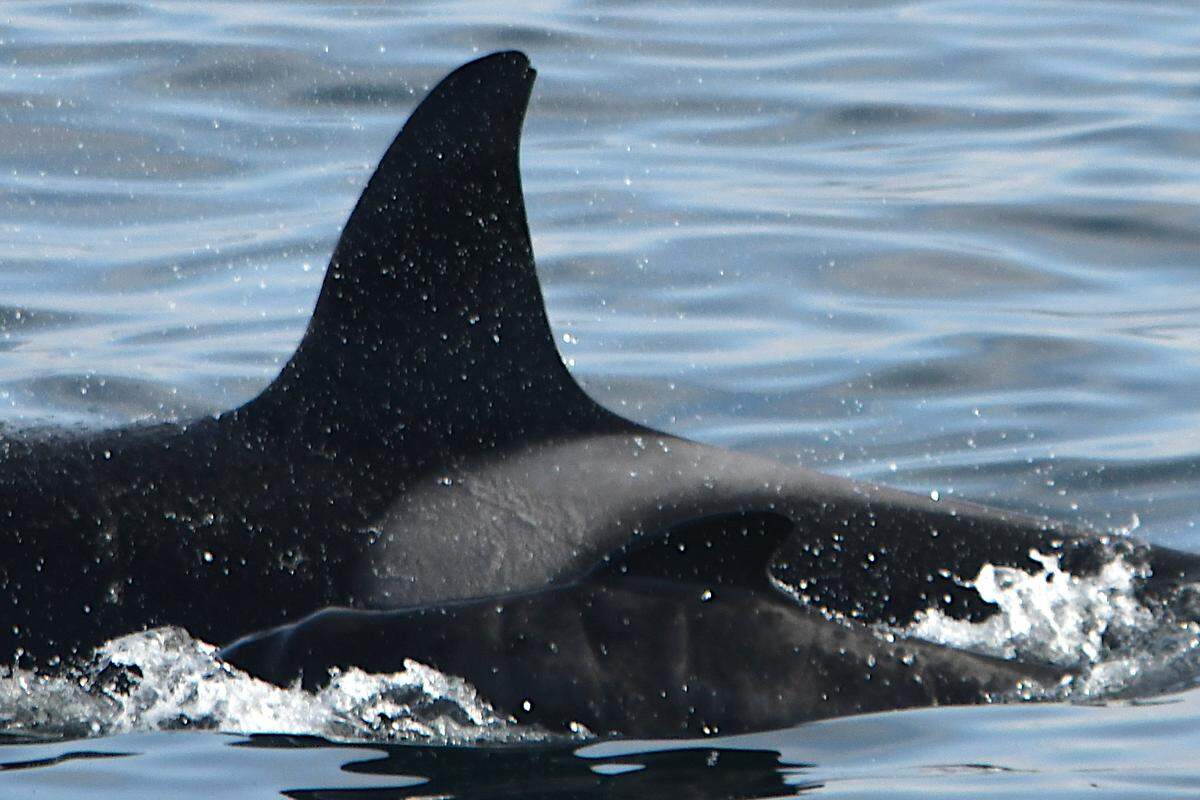
Alongside Sædís swam a newborn long-finned pilot whale, researchers said. Photos from Orca Guardians Iceland showed the baby whale next to the adult.
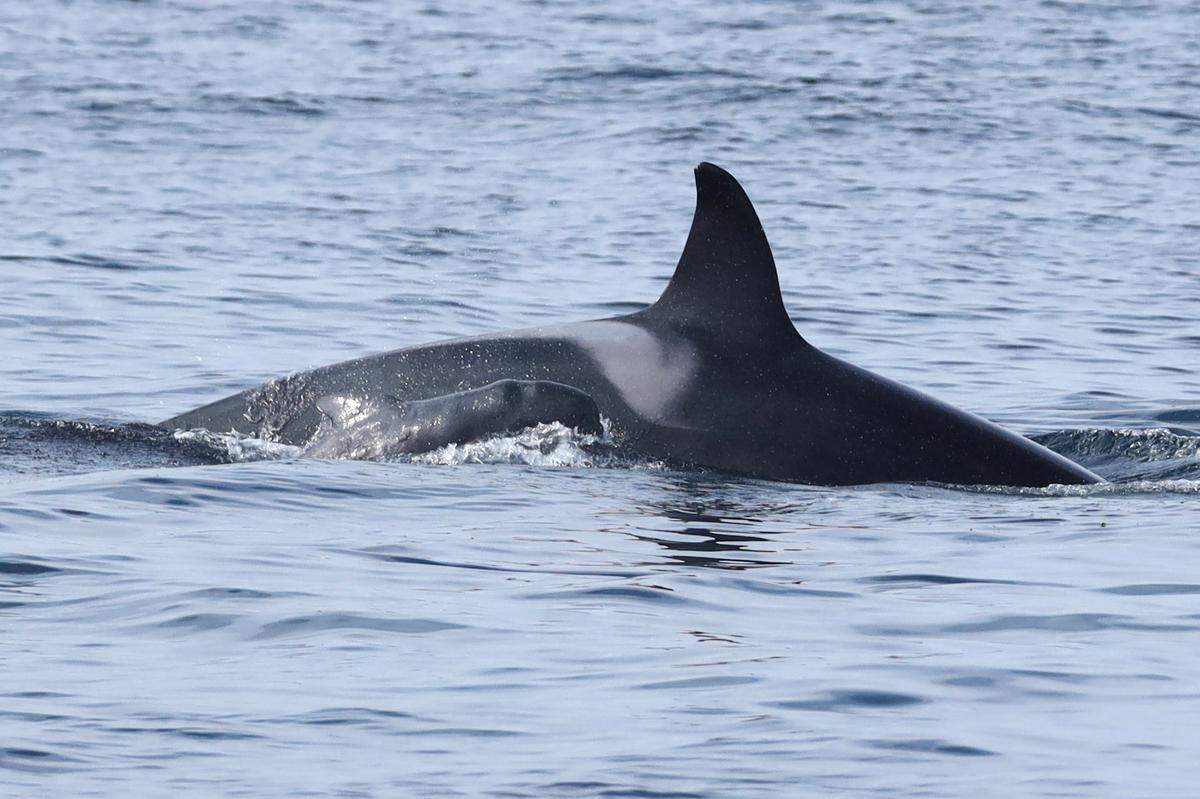
The photos captured the first documented incidence of an adult killer whale helping a creature outside its species, researchers said. The sighting prompted experts to evaluate interactions between the two usually antagonistic marine species.
Killer whales, sometimes called orcas, have been documented chasing or attacking pilot whales, the study said. Meanwhile, pilot whales are known to pursue killer whales but never to reach them. The species often avoid each other.
Experts have attributed these behaviors to resource competition between the whales since they can eat the same types of prey, researchers said.
Still, pilot whales and killer whales have similar social structures and clear mother-child relationships.
But how did a mother killer whale come to be taking care of a newborn pilot whale? Researchers do not know for sure whether the whale was adopted after being abandoned by its biological mother or forcefully abducted by the killer whale.
The pair was only seen together once, leaving researchers with many unanswered questions.
Orca Guardian Iceland reported another sighting of a killer whale swimming with a pilot whale calf in June.
“Is this not as rare an exception, but is there some pattern to it that we have yet to understand?” the organization wrote in a Facebook post.
Researchers propose one explanation in the study. Analyzing sightings of Dragonfly, Sædís and Zale, researchers documented another unusual — yet insightful — behavior from the killer whales.
In July, the trio was part of a pod of killer whales that repeatedly approached a pod of pilot whales. The two different pods chased each other back and forth for almost half an hour.
Researchers theorized that the group of killer whales was making “an active effort … to obtain another pilot whale calf through an approach of the pilot whale group, and the pilot whales may have reacted with a chase as a preventative measure to protect their young.”
“Long-finned pilot whale and killer whale interactions might be more complex than previously thought,” the authors wrote, and influenced by more factors than previously thought. More research is needed to explain these varied behaviors.
Snæfellsnes is a peninsula on the western coast of Iceland, about 110 miles northwest of Reykjavik.
This story was originally published March 13, 2023 at 4:40 PM with the headline "Newborn whale seen with mom of a usually antagonistic species in Iceland, study says."