Is it a plant? Is it an animal? Why this ‘sauerkraut’ is washing up on Texas beaches
Fishers’ lines grew heavy as they looked for the perfect fish in the Gulf of Mexico. But when they reeled in their catch, they were met with a handful of something stringy.
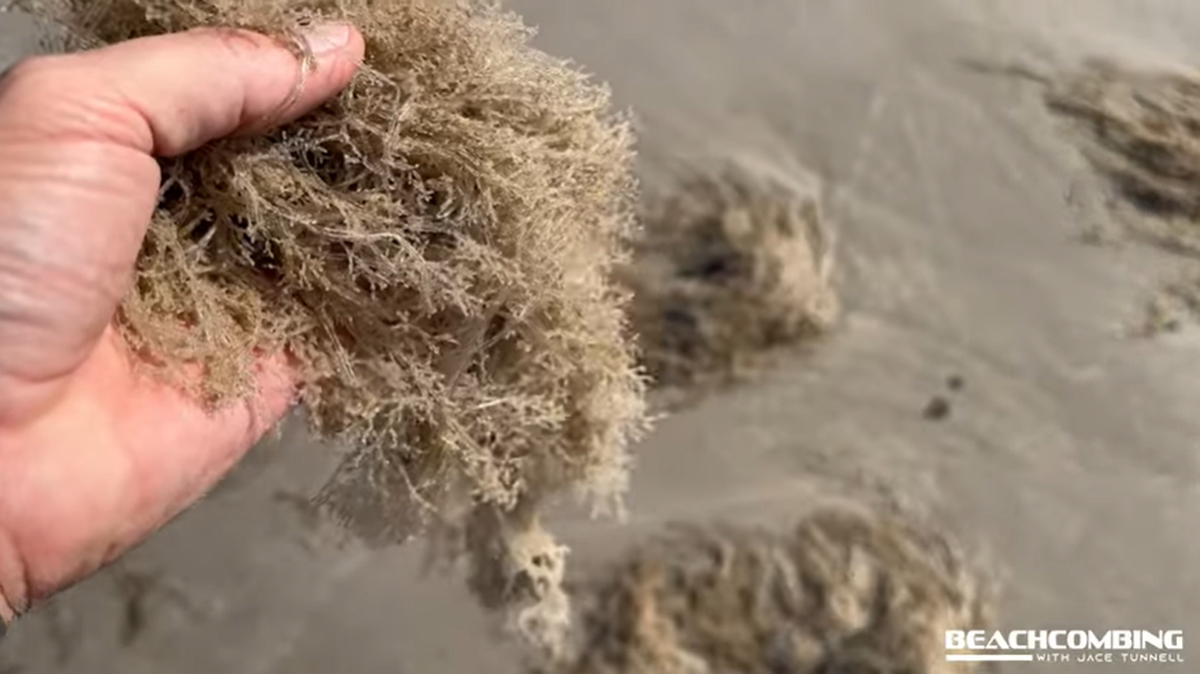
The piles of “sauerkraut” looking strings started to appear on Texas beaches and catch on swimmers in the water.
While it may look like algae or seagrass, or even a pile of glass noodles left on the beach, the suspicious strings on the beach are actually an animal.
“It’s called sauerkraut bryozoa, and is an invertebrate consisting of colonies of polyps that filter feed on plankton in the water column,” the Harte Research Institute for Gulf of Mexico Studies at Texas A&M said in a July 21 Facebook post.
The creature isn’t harmful, either, the institute said.
While the creature looks very similar to a plant such as algae, there’s one distinct way to tell them apart, Jace Tunnell demonstrated in a 2023 video by the institute.
If you take a string of the sauerkraut bryozoa between your fingers and squeeze, it will pop. If it’s algae or another plant, it would stay stiff if pressed, Tunnell said.
Up close, the creature appears translucent. Sometimes, Tunnell says, the sauerkraut bryozoa has a red hue.
Sauerkraut bryozoa, sometimes called spaghetti bryozoa, will feed on microorganisms similar to what an oyster might do in the water, according to Tunnell.
Snails will feed on it in the water while birds and insects pick at it on the beach, Tunnell said.
While the creature may be a nuisance to some fishers and swimmers, Tunnell assures that it will only wash up on the shores for a few weeks at a time. Then, it will dry out.
This story was originally published July 22, 2024 at 3:34 PM with the headline "Is it a plant? Is it an animal? Why this ‘sauerkraut’ is washing up on Texas beaches."