
Young indigo snake discovered in Alabama woods celebrated as a ‘success.’ Here’s why
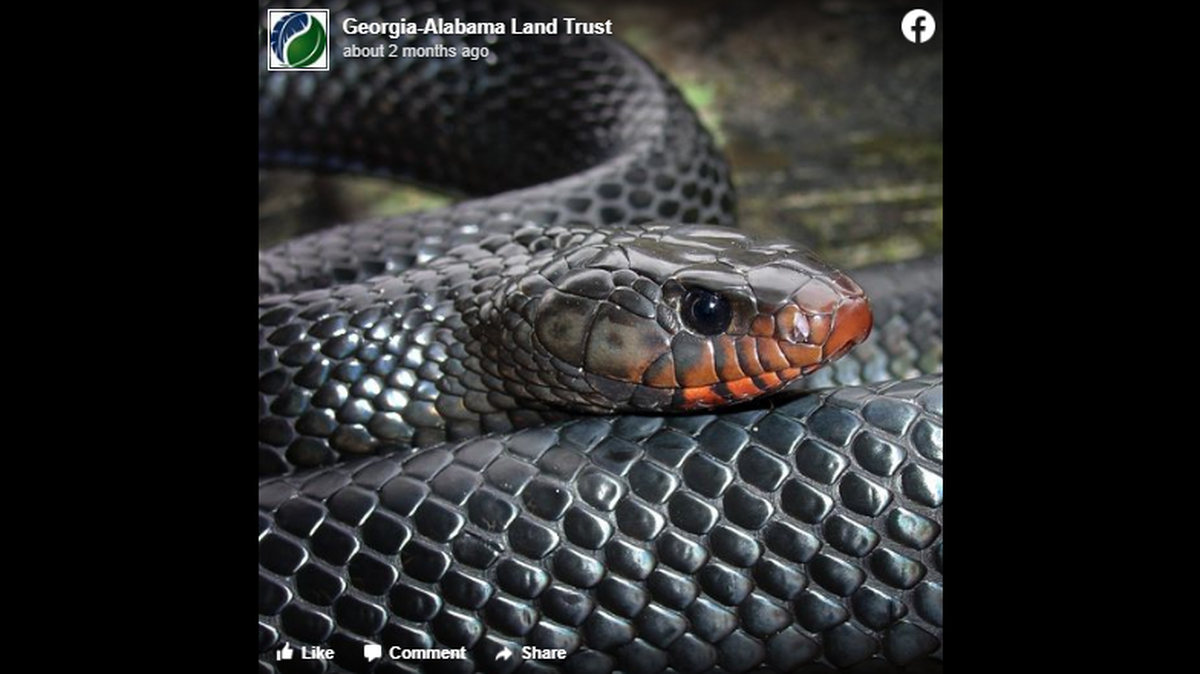
A young eastern indigo snake was found this week in the wilds of Alabama and the discovery is being celebrated as if it were a new species.
In a way, it almost is.
Eastern indigo were eradicated from Alabama in the 1950s — a development partly due to its intimidating status as “a massive black snake” that can grow to 7 feet.
“This is only the second one found in Alabama in over 60 years,” the Alabama Wildlife and Freshwater Fisheries Division wrote on Facebook. “The first wild-born one was found in 2020.”
The juvenile snake was discovered March 16 at an undisclosed location, and it is believed to be proof a project to re-introduce indigo to the state is ever-so-slowly working.
It began in 2006, with a plan to release 300 captive-bred indigo (from Georgia) into the Alabama wilderness.
Finding a juvenile snake means two of those adults bumped into each other and hit it off quite nicely, state officials believe.
“The snake found (March 16) indicates that the project is resulting in some thriving and reproducing indigos — just what we wanted!” state wildlife officials wrote.
“Reintroducing a species to its native range is a daunting task, and we celebrate each step of its success!”
Eastern indigo have the distinction of being “the longest snake native to the United States,” according to the University of Georgia’s Savannah River Ecology Laboratory.
They rarely bite, but “may flatten their heads, hiss and vibrate their tails” like rattlesnakes if cornered, experts say.
The federally protected species once thrived in “pine-oak sandhills” across the southeast. Indigo began vanishing when human development led to “habitat destruction, fragmentation, and degradation,” Florida Fish and Wildlife Conservation Commission says.
This story was originally published March 18, 2022 at 10:56 AM with the headline "Young indigo snake discovered in Alabama woods celebrated as a ‘success.’ Here’s why."