
Creepy fungus lures flies into having lethal sex, study finds. Why that’s good for us
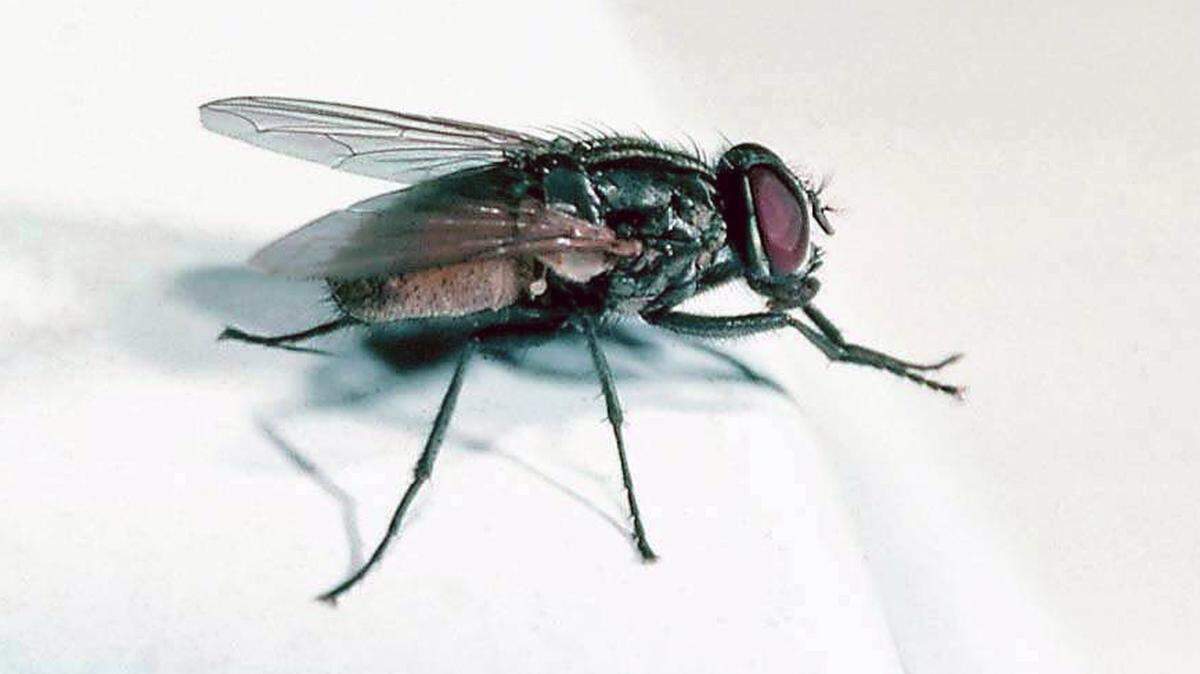
Researchers say a fungus that infects flies also likely lures them into having disturbing, deadly sex — and that could be a good thing for us, according to a recent study.
In the pre-print study shared in late October, researchers contend that certain chemicals in the fly-killing fungus trick uninfected male flies, tempting them to try to mate with dead, spore-riddled females.
This, in turn, infects the male, potentially helping the fungus spread to even more flies, the study suggests.
As researchers put it: “Healthy males are attracted to fungus-killed cadavers and engage in courtship and mating attempts, which significantly increase infection of new host individuals and thereby ensures transmission of the fungal pathogen.”
While the fungus itself is relatively well-documented, this study, headed by researchers at the University of Copenhagen, sheds new light on how it impacts fly behavior, experts told Science.
“They’ve made a big step forward here,” Carolyn Elya, a molecular biologist and fungal researcher at Harvard University, told the outlet.
Elya, who was not involved in the study, said the data “pretty conclusively shows … another way that the fungus helps to disseminate to new hosts.”
Insect destroyer
The fungus in question is Entomophthora muscae — entomophthora meaning “insect destroyer” — and it brings a slow and unpleasant death to flies that come into contact with it, according to the University of Wisconsin-Madison.
When an airborne spore lands on an unlucky fly, it behaves almost like a seed in soil, growing shoots that penetrate through gaps in the fly’s exoskeleton, spreading white fungus throughout the body, the university said.
Often, the fungus flourishes to the point its victim takes on a striped appearance, the growth overflowing from between the fly’s armored segments.
Eventually the fungus reaches the brain and the fly is compelled to crawl upward to a high place, such as the top of a branch or flower, to best disperse the spores overflowing from it, according to the university.
Then, the fly finally dies.
Aphrodisiac in action
But the new study shows the fungus has another means of finding hosts.
To test this, the team set up a variety of scenarios, placing live males and dead females — some killed by fungus, others frozen to death by researchers — into petri dish “arenas” and observing their behavior, the paper said.
Males were five times more likely to attempt to mate when placed in a dish with females dead from infection, researchers found.
However, when placed in a dish with two dead females, only one of which is infected, data shows the excited male flies didn’t seem to prefer one over the other.
“It’s almost like an aphrodisiac, maybe driving his sexual behaviors to a supernormal level,” team member Andreas Naundrup Hansen told Science.
Pest control
In another trial, researchers put out pairs of flypaper traps, smattering one with fungal spores, and leaving the other pristine. Most flies buzzed over to the fungus trap, preferring the spore-covered option by a wide margin, according to the study.
The corpses of infected flies were filled with high levels of chemicals, specific methyl-branched alkanes, researchers said, which have been found to boost sexual behavior in males.
This line of study may lead to “the discovery” of new and unique “attractants or pheromones that could be used in pest control,” the paper read.
But don’t throw your flyswatter away just yet.
Despite their analysis of the chemicals present in the dead flies, researchers weren’t able to figure out which specific chemical, or chemicals, were such potent lures, Science reported. They added that, if the chemical could be identified and isolated, a better flytrap might be possible.
This story was originally published November 4, 2021 at 3:53 PM with the headline "Creepy fungus lures flies into having lethal sex, study finds. Why that’s good for us."