Change allowing take-home methadone for opioid addiction was successful, WA study says
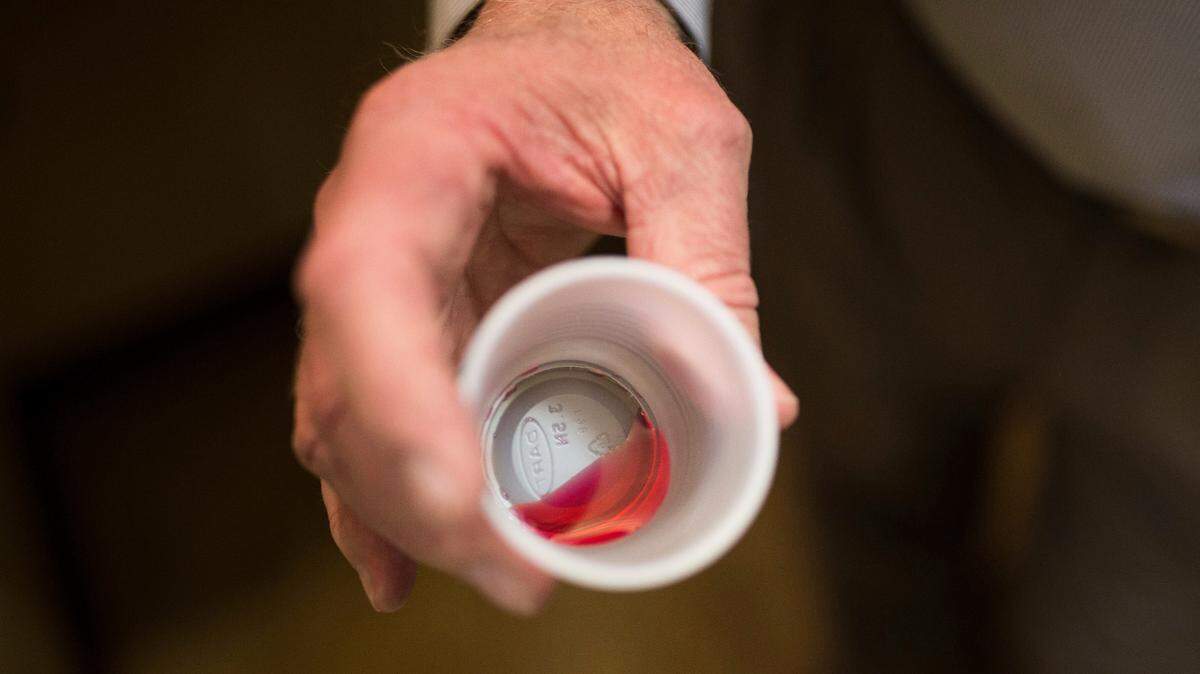
People with opioid use disorder normally cannot take methadone, a medication to treat their dependence or addiction, at home. By law, they have to visit a federally certified opioid clinic every day for at least a year, or longer, depending on their treatment plan.
Only those who consistently took their medications and proved “stable” were allowed to continue their treatment at home — a tactic intended to protect the more vulnerable from overdosing on methadone or illegally selling the drug.
But in March 2020, federal health officials issued a temporary policy change because of COVID-19 that relaxes these limits until the pandemic is no longer considered a national emergency, allowing more people with opioid addictions to benefit from at-home treatments.
A study on 183 patients at a methadone clinic in Spokane County, Washington, shows the temporary policy has been successful so far, according to a study published Oct. 20 in the American Journal of Drug and Alcohol Abuse.
Although the number of methadone doses taken at home nearly doubled, the number of patients that went to an emergency department — overdose-related or not — did not increase. There also was “no notable increase” in the number of patients who tested negative for methadone, meaning people kept up with their treatment plan during the study’s nine-month period.
Take-home doses of methadone in the Spokane clinic increased by an average of nearly 200% from about 11 doses per 30 days in eight months before the policy change to about 22 doses per 30 days in the eight months after.
All participants had already been taking methadone for nine months before the pandemic began.
“Our research highlights the need to consider permanently loosening the restrictions on methadone take-home doses, which would help many people who are struggling to access opioid treatment,” lead study author Ofer Amram, an assistant professor in the Washington State University College of Medicine, said in a Nov. 1 news release.
Barriers to treatment can be fatal
There are about 1,800 federally approved opioid treatment programs in the U.S. that can provide methadone to people struggling with addiction, according to researchers.
Limited programs make it difficult for people to access treatment, experts say, especially for those who live further away, given most people have to physically visit an office every day to get their medication.
A 2019 study conducted by some of the same Washington University researchers of patients in the same clinic found that people who lived closer to the clinic were more likely to keep up with their treatment than those who lived farther away.
Even for those who live nearby, some patients may not have access to transportation for their daily visits or cannot take time off from work, Amram said.
Such barriers to treatment can be fatal.
More than 70,600 drug overdose deaths occurred in the U.S. in 2019, according to the Centers for Disease Control and Prevention; about 70% involved opioids.
Methadone works by reducing cravings for opioids, as well as withdrawal symptoms. The medication also blocks the effects the drugs have on people. It can be taken in liquid, powder or pill form, but is generally just one part of a more comprehensive plan that includes behavioral therapy and counseling.
The temporary policy change allows opioid treatment clinics to provide up to a month of methadone doses to take at home for “stable clients” and up to two weeks of doses for “less stable clients.”
This story was originally published November 1, 2021 at 12:54 PM with the headline "Change allowing take-home methadone for opioid addiction was successful, WA study says."