
Dozens of MS Coast bridges are deteriorating. Is there enough money to fix them?
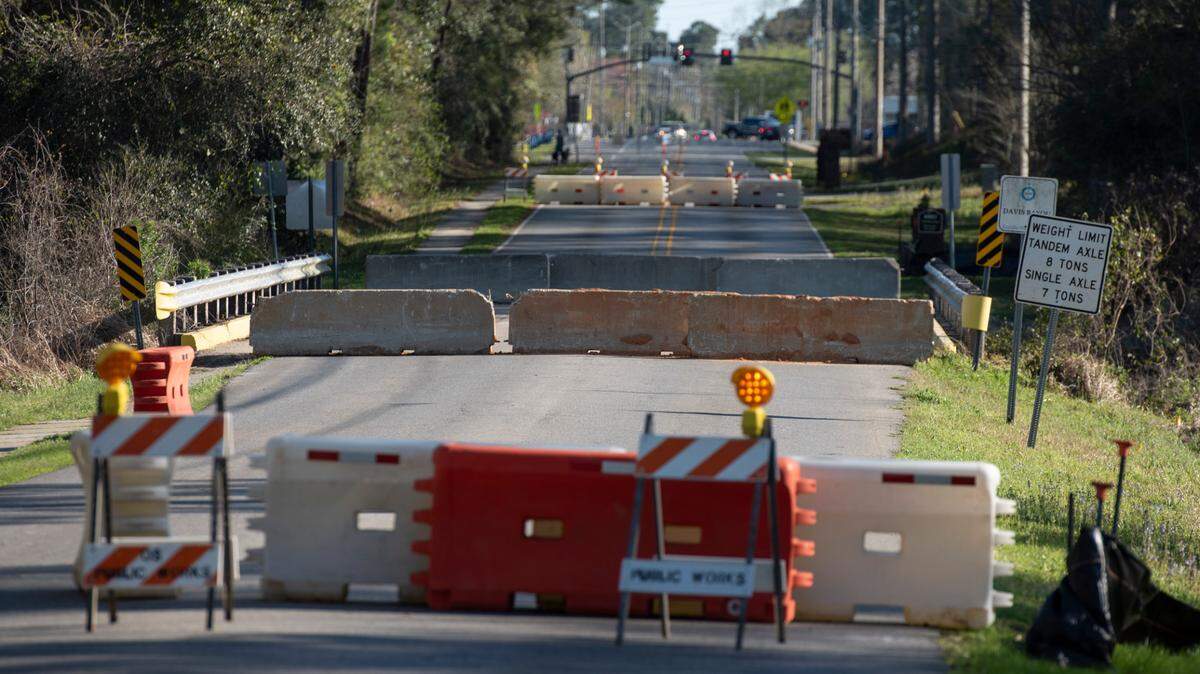
Thirty-five bridges across the Mississippi Coast have weakened to the point that they may need to be replaced or repaired, according to a Sun Herald analysis of bridge inspection reports and data from the state agency that oversees them.
Four bridges have problems that inspection reports call serious, which means they need maintenance, weight limits and could close if they become unsafe. Parts of 31 other bridges are listed in poor condition, meaning they may need repairs in the next decade and must be watched closely in case the problems get worse.
The Office of State Aid Road Construction, which oversees the inspections, says the bridges are still safe. They are also just a small fraction of hundreds across the three coastal counties. All other Coast bridges are rated in fair or better condition by inspectors who check them at least every two years.
Still, engineers say protecting aging bridges is an endless fight against nature. Across the streams and bayous that wind through the Coast, marine pests and even saltwater can deteriorate the wood, steel and concrete that support old structures.
The problem became more apparent earlier this year when the Hanshaw Road Bridge in Ocean Springs closed because pests called marine borers had eaten through the wood posts beneath it. An inspection report listed the pilings in serious condition last December. The city now says the bridge will not open for weeks and is asking frustrated drivers for patience.
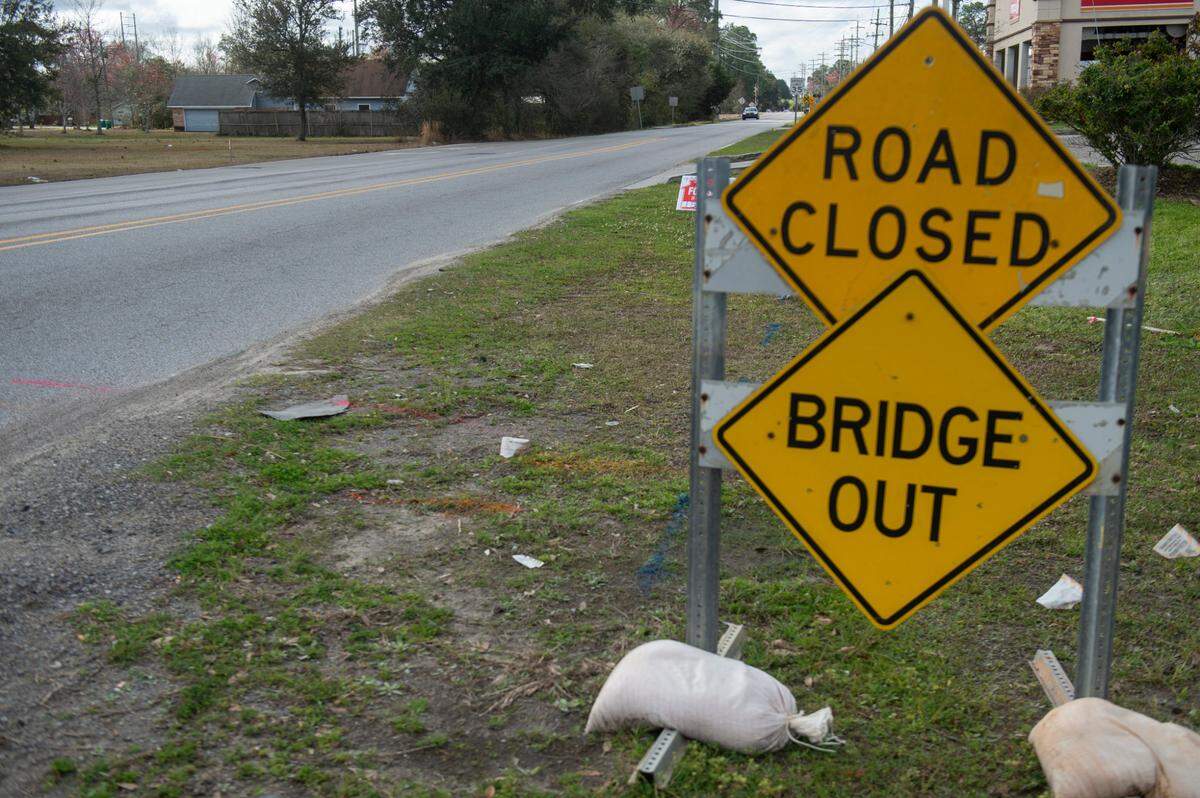
Engineers say that struggle is common. Many bridges across the region were built decades ago with cheap timber pilings. The state is slowly replacing them. But the ones that remain are “just reaching their service life,” said Harry Lee James, the state aid engineer in the Office of State Aid Road Construction.
“The marine borers are just attacking them,” he said.
Bridge inspections on MS Coast
The state follows standards set by the Federal Highway Administration to inspect and rate each part of a bridge on a scale of failed to excellent.
On the Coast, four bridges have some element rated in serious condition: The Woolmarket Road Bridge over Parker Creek, the Tanner Williams Road Bridge over the Escatawpa River, a bridge on Asmard Street in Pass Christian and the North Railroad Avenue Bridge in Hancock County.
.jpg "16 to 9 ratio (14).jpg")
Under the Woolmarket Road Bridge, which 4,000 cars cross each day, several wood pilings have “advanced decay,” according to an inspection report. Steel posts beneath the Tanner Williams Road Bridge, which 1,000 cars cross each day, have rusted enough that some are thinning.
Far fewer cars use the smaller Asmard Street and North Railroad Avenue bridges. But nature is causing problems there, too: Pass Christian did not provide an inspection report for the Asmard Street Bridge but state records show the bridge is deteriorating, annually inspected and has a weight limit of 5 tons. In Hancock County, saltwater under the North Railroad Avenue bridge has infiltrated the steel and cracked apart concrete.
The bridge, built in 2001, is already one of more than 80 across Hancock, Harrison and Jackson counties that have deteriorated enough to be replaced, according to state records. County engineer Alex Davis said construction on a new North Railroad Avenue Bridge will start this fall.
.jpg "16 to 9 ratio (12).jpg")
But not all bridges will get replaced right away. James said Mississippi allocates $40 million a year for bridge replacement across all 82 counties — about half of what is needed.
“Money doesn’t go as far as it used to,” he said. “It’s an ongoing problem.”
Local governments do what they can. Jackson County has been welding more steel on the Tanner Williams Bridge to reinforce the rusted posts, said county engineer Bob Diamond. Davis said Hancock County has replaced several bridges already and is now focusing on less traveled roads. In Biloxi, director of engineering Christy LeBatard said the city has already closed the Woolmarket Road Bridge once for repairs and will keep strengthening the rotting wood with steel and cement.
The bridge, like many others, has a weight limit. Engineers say drivers must follow those signs to avoid danger.
Past and future
Collapses have happened before. Three workers died after a bridge in Simpson County, about 30 miles south of Jackson, crumbled last October. The bridge had been closed because it was about to be demolished. Weak bridges are also more vulnerable during heavy rain and flooding.
The history of bridge safety debates in Mississippi is also fraught. In 2018, then-Gov. Phil Bryant declared a state of emergency and ordered the state to close nearly 100 bridges that did not meet national safety standards. The Federal Highway Administration warned dozens of wood-pile bridges had been improperly inspected and said Mississippi could lose federal funds if the bridges didn’t close immediately. That frustrated residents with suddenly long commutes. It also sent some livid county leaders scrambling for money to fix the problems.
James said today’s bridge inspections are routine and more detailed. He also said the state will not close a bridge unless it has to.
Reinforcing the steel under the Tanner Williams Bridge will keep it from closing, but Diamond said it must one day be replaced. LeBatard said Biloxi will keep spending its own money to fix the Woolmarket Street Bridge until it gets enough funding to replace it.
.jpg "16 to 9 ratio (13).jpg")
New bridges are built stronger, with concrete. But wood is an enduring struggle. In Jackson County, Diamond estimated two dozen bridges are still supported by timber. “Those are the ones that really are being looked at every year,” he said. “You just have to keep on top of it.”
Solutions are possible. Engineers in Hancock County say the new North Railroad Avenue Bridge will be built with metal that is covered in protective coating and surrounded by extra concrete to make it stronger. Road Manager Leroy Lee said county leaders hope that will double the bridge’s lifespan.
Paul Purvis, a longtime bridge inspection engineer for the Mississippi Department of Transportation, said the state has made progress since 2018. Still, more than 1,000 bridges across South Mississippi and the Pine Belt need repairs, according to a report from the American Road & Transportation Builders Association, which estimates the work would cost $1.2 billion.
“We can do more with more money,” Purvis said. “Funding is the biggest challenge.”
This story was originally published April 28, 2025 at 5:00 AM.