USM scientist left his mark on Gulf, knew enough to learn from fishermen
AI-generated summary reviewed by our newsroom.
- Jim Franks retired as senior fisheries scientist from GCRL in 2024.
- Franks pioneered studies of pelagic fish, tripletail, tuna, billfish and tarpon.
- Franks, who specialized in Gulf and Caribbean fisheries, is mourned by many.
A boy from the mountains of Tennessee, inspired by a great American novella, became one of the best-known fisheries scientists on the Gulf of Mexico.
James S. “Jim” Franks of Ocean Springs was smart enough to know that he could learn from folks in South Mississippi who plied Gulf waters daily, said his close friend Reed Hendon. Franks became a mentor to Hendon at the University of Southern Mississippi’s Gulf Coast Research Laboratory, where both worked for decades.
“He was probably the most dedicated and driven scientist that I ever met,” said Hendon, former GCLR director. “Science and fisheries and his job, that was his life.”
Franks retired as a senior fisheries scientist in 2024 from the University of Southern Mississippi’s Gulf Coast Research Laboratory in Ocean Springs. Although he never smoked, Franks died of pulmonary fibrosis on Wednesday at age 83.
“For many, Jim’s name is synonymous with GCRL,” Kelly Darnell, the lab’s director, said in one of many statements widely shared after Franks’ death. “He first came to the lab as a student in the summer of 1963 and went on to become the lab’s longest-serving employee . . .
“Jim touched countless lives throughout his career. His work and passion will continue to inspire scientists, students, and the public for generations to come. I am deeply grateful to have worked alongside him, and for the path he helped pave for GCRL and all who will follow.”
Growing up in Tennessee
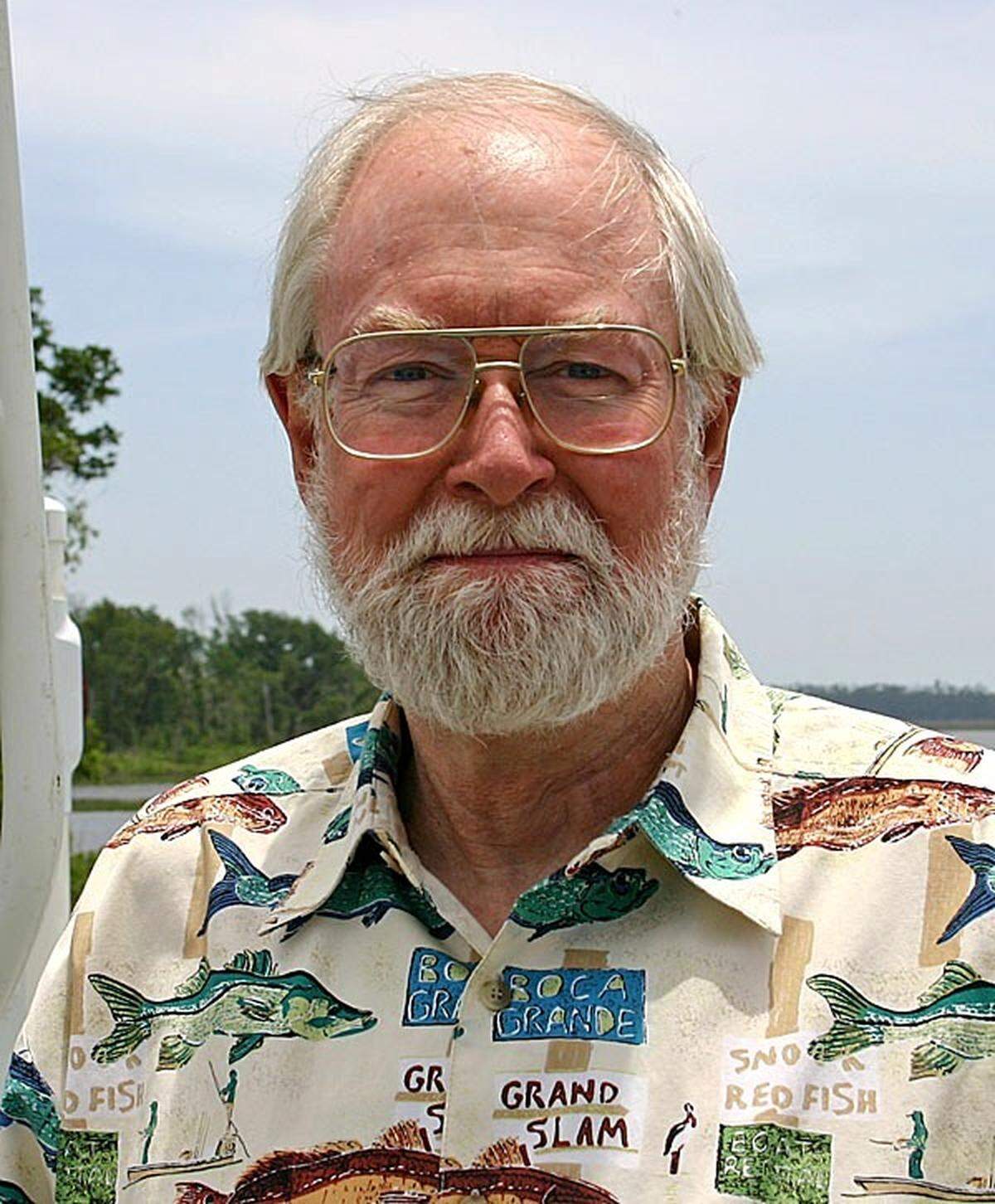
Franks grew up in Newport, Tennessee, said close friend Harriet Perry, an invertebrate fisheries scientist who also worked with Franks for decades before she retired. They were, she said, like brother and sister.
Franks was much like his parents, whom she met in Tennessee. The Franks, she said, were kind and caring.
As a child, Franks became enamored with fish after reading Ernest Hemingway’s classic novella The Old Man and the Sea. Franks lost his home and his first-edition copy of the book in Hurricane Katrina, Hendon said.
Franks’ love of fisheries science was boundless. Totally engaged in his work and research, he never married. His many friends, gathered round and cared for him in his final days, Perry said, when he was tethered to oxygen.
Franks authored or co-authored many research papers, most recently in 2025, when he and Perry wrote a paper on the influence the jellyfish population has on tuna.
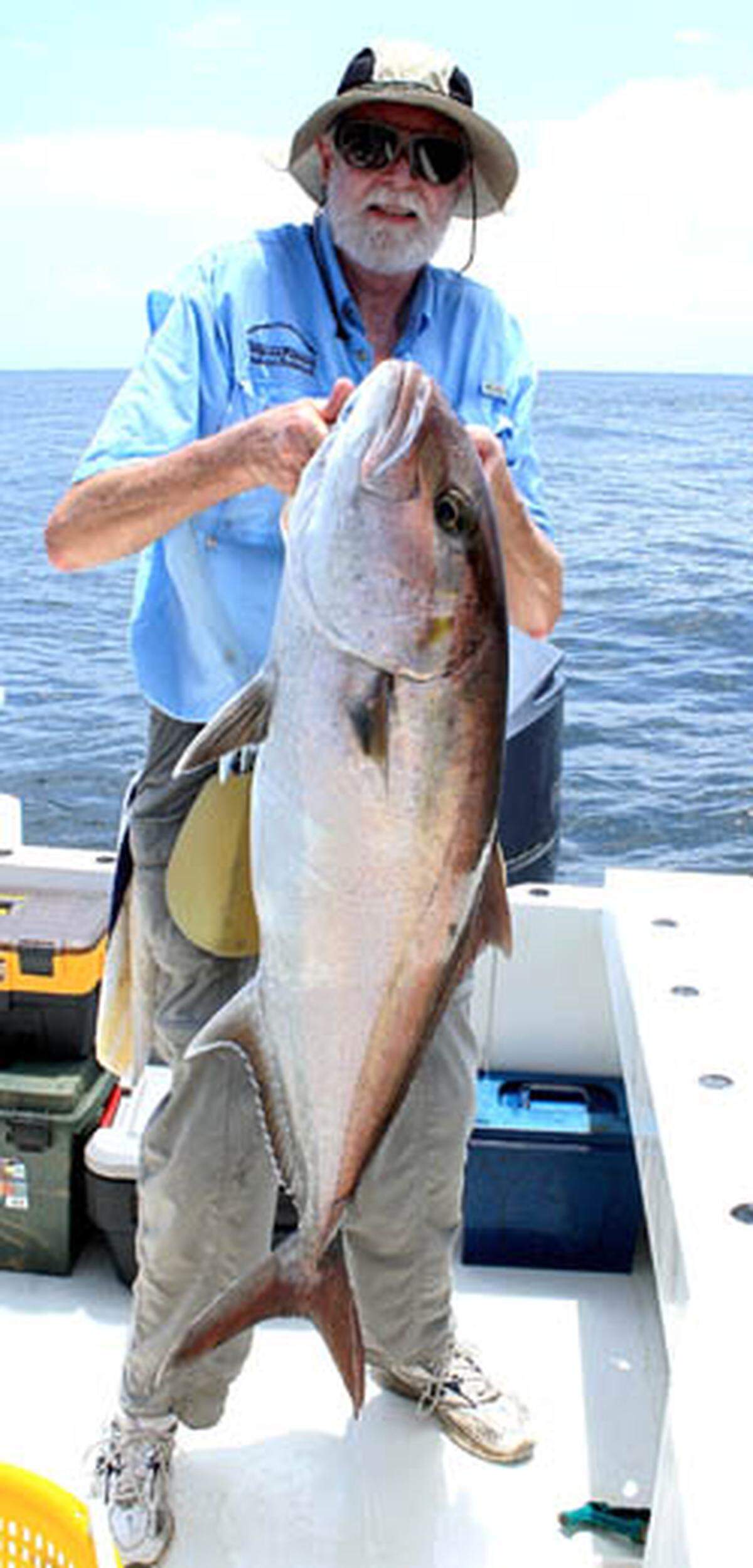
He specialized in the Gulf and Caribbean fisheries and was a pioneer in understanding coastal pelagic species, tuna, billfish and tarpon. He was the leading biologist for understanding cobia and tripletail migratory patterns in the Gulf, Hendon said, tagging fish to study how they moved around.
Learning from Gulf fishermen
His study and understanding of fisheries extended to those who ply Gulf waters daily: recreational and commercial fishermen. Franks helped found the Mississippi Gulf Coast Billfish Classic, which is in its 29th year. He and his fellow scientists would show up with their table, knives and scales to analyze the fish caught.
“I grew up around him,” said Robbie Carter, whose father Bobby is tournament president. “There are not many people in this world like him. He was just a wealth of knowledge, and cool, calm and collected at all times.”
Franks liked to visit with people and always took time to engage. If members of the fishing community on the northern Gulf were asked to name one scientist whom they knew, Hendon said, it would likely be Franks.
He kept fishermen informed on what he found from the samples they provided, Hendon said.
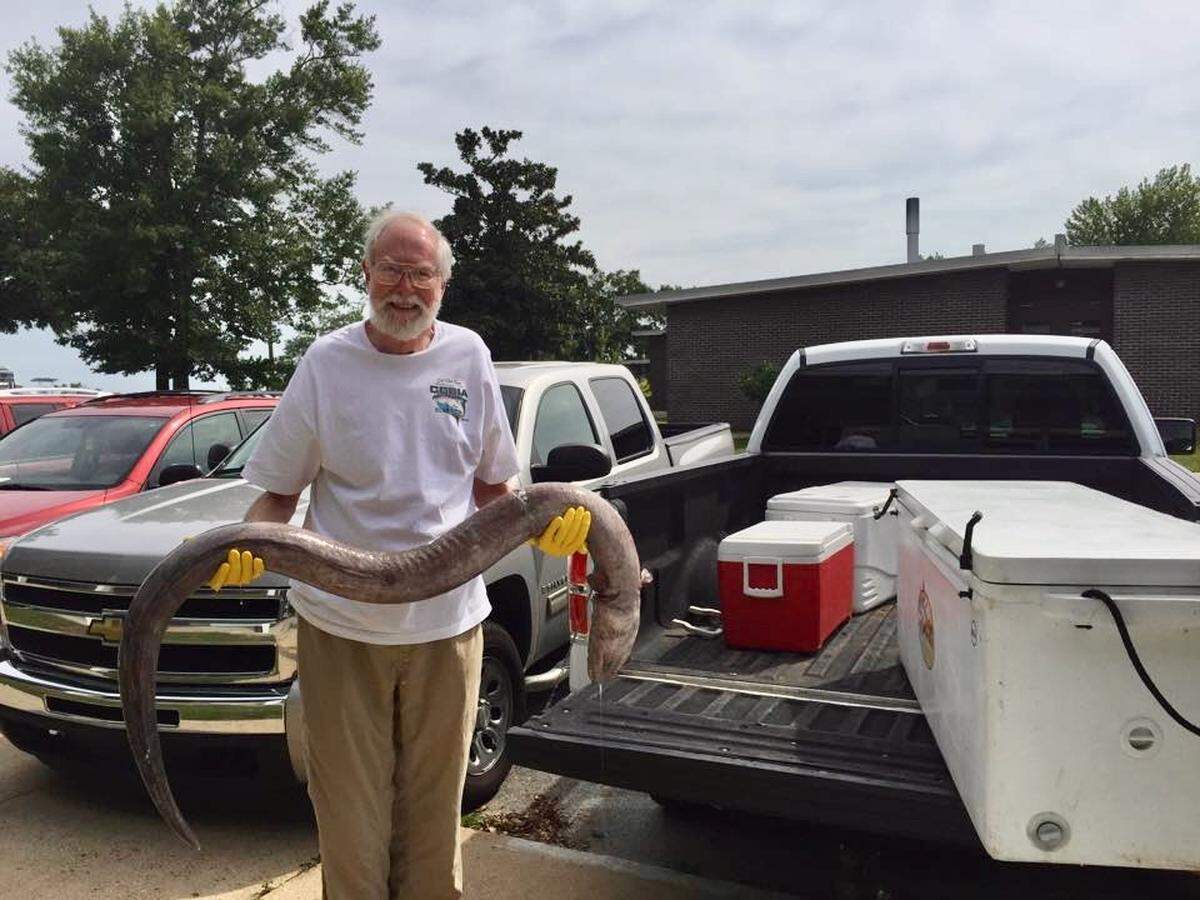
“He told young scientists, ‘The biggest mistake you can ever make is thinking you know more about our Gulf waters than the commercial fishermen or the charter boat captains who are out there every day, ‘ “ Hendon said.
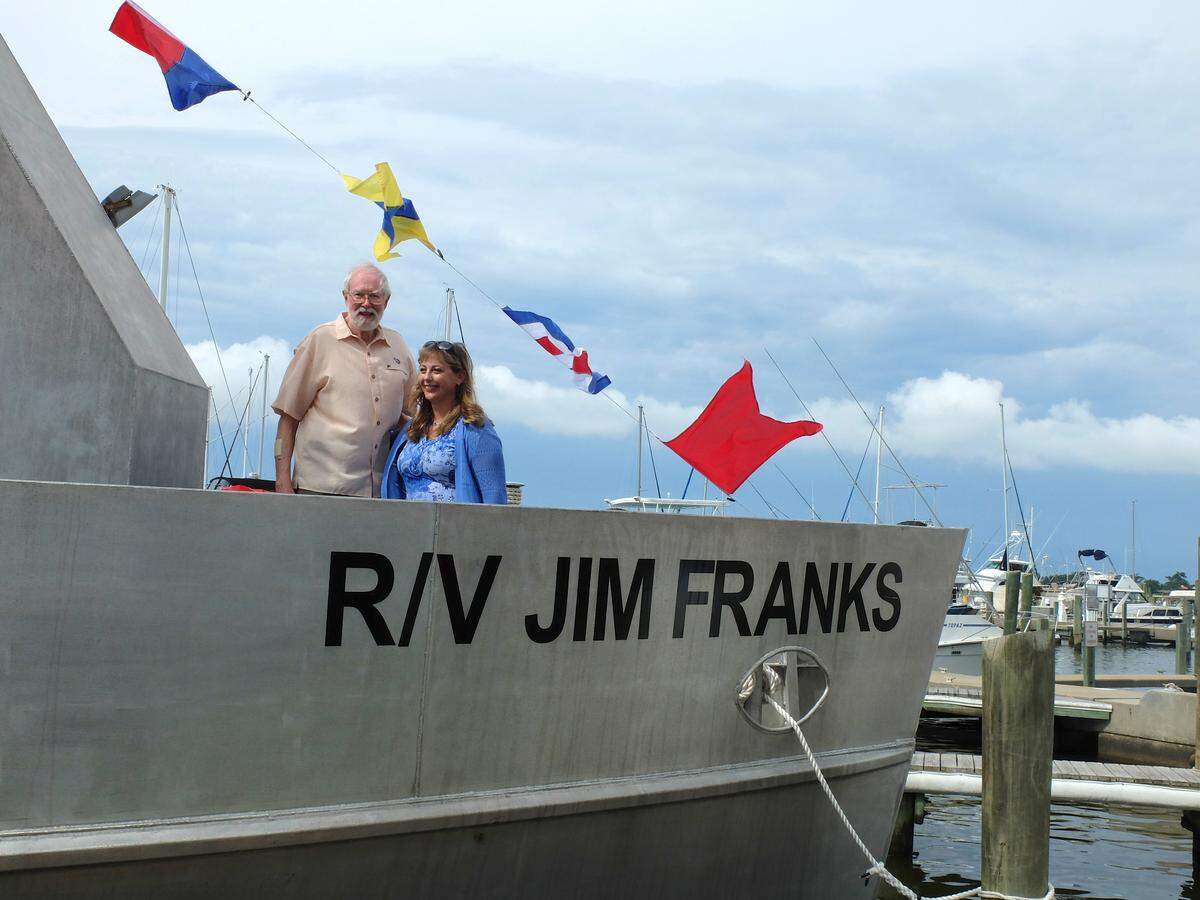
Franks often worked into the night, and through weekends. His dedication and knowledge were recognized. The research vessel Jim Franks, a 60-foot aluminum catamaran, was christened in his honor in 2016. USM uses the vessel for class field trips to the barrier islands and for research.
Franks lived a long and fulfilling life, his friend Hendon said, reflecting that they had known one another for half of Hendon’s life. Hendon realizes he’ll doubtless think of something soon that he wants to share with his dear friend.
“It’s going to be odd not to be able to make that call,” he said.