
10 South MS teachers receive Leo Seal grants. Here are the winners and their projects
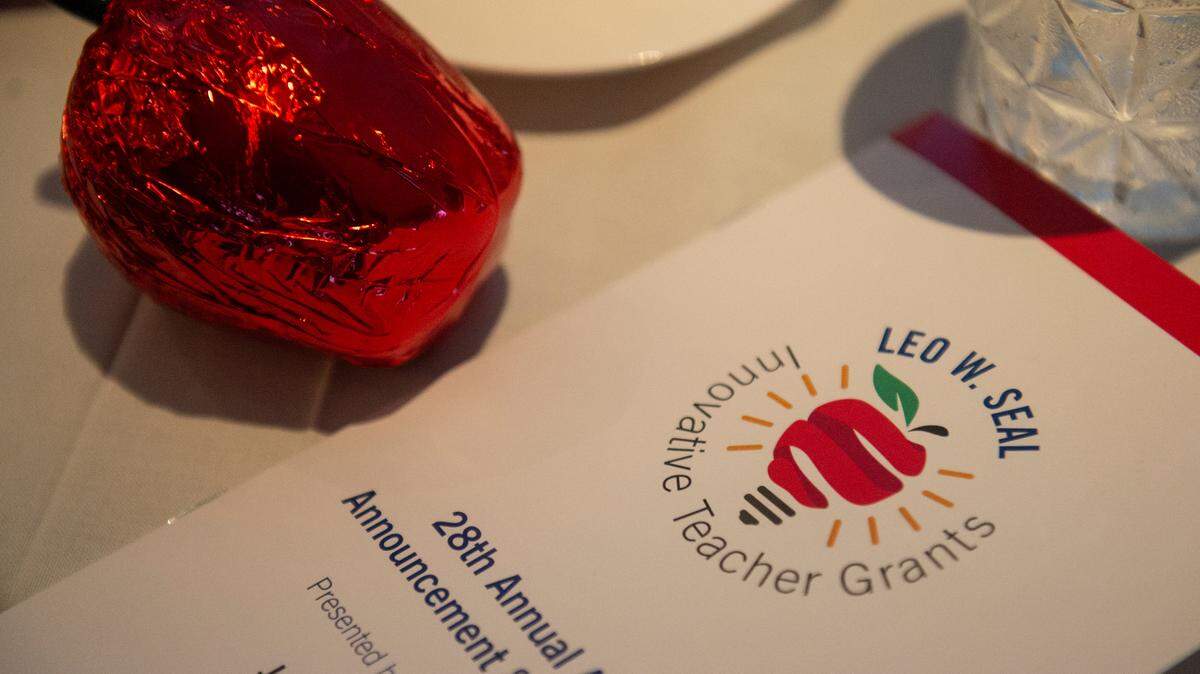
Ten of Mississippi’s most accomplished, creative teachers were honored Friday with Leo W. Seal Innovative Teacher Grants for their commitment to educational excellence, and to pay for original teaching projects.
Funded by Hancock Whitney and administered by the Gulf Coast Community Foundation, the Seal grants recognize dedication to teaching and fund teaching proposals that enhance students’ educational experiences and support state curriculum at K-12 schools in eight Mississippi counties: Forrest, Hancock, Harrison, Jackson, Jefferson Davis, Lamar, Madison, and Pearl River.
Teachers earning one-time Seal grants for 2025 are:
- Wendy Diane Chambers, Woolmarket Elementary School;
- Lamar D. Estis, Ocean Springs Upper Elementary School;
- Johnette Garcia, West Wortham Elementary School in Saucier;
- Christopher Gleason, Purvis High School;
- Richard A. Humphreys, St. Martin High School;
- Cecil Murphy, Ocean Springs High School;
- Scott Thomas Nelson, East Central Middle School in Moss Point;
- Bethany Seal, West Harrison High School in Gulfport;
- Lucretia Simpson, Lighthouse Academy for Dyslexia in Ocean Springs;
- Erica D. Wilson, Singing River Academy in Gautier.
“Creating and funding the Leo W. Seal Innovative Teacher Grants program has enabled us to encourage and reward educational excellence and commitment to creative learning among outstanding teachers preparing students to pursue and realize their own dreams,” said Hancock Whitney President and CEO John M. Hairston.
Each Seal grant recipient receives up to $2,000 to activate their award-winning teaching initiative at their school.
The winning projects
Wendy Diane Chambers, Brighter Days with Our Renewable Ways: In a collaborative science learning experience, second through sixth grade gifted students harness the power of the sun to explore and comprehend alternative energy sources by using shoeboxes to build solar-powered ovens (and cook S’mores!); construct mini solar-powered homes grouped in an energy efficient village setting; and planting small gardens in the village to demonstrate community self-sufficiency and sustainability.
Lamar D. Estis, Gardening through STEM: Pioneering a larger scale teaching garden program in the district, approximately 400 fourth through sixth grade gifted students grow their minds while growing outdoor educational gardens, working in teams to compost, cultivate indigenous plants, observe pollinators, and harvest as they learn scientific inquiry and data analysis and build a better understanding of ecological systems, environmental stewardship, and food cycles.
Johnette Garcia, Washed Out Watershed: Approximately 100 fifth grade science students will study familiar real-world nature scenarios and indigenous wildlife to garner a base understanding of human impacts on the environment while building a broader vocabulary with words such as extinct, endangered, pollution, and run-off and a better comprehension of how important awareness, activism, and individual and community commitment can be in protecting nature and preserving natural resources.
Christopher Gleason, Mindful Moments: A calming wellness space featuring ambience and resources conducive to mindfulness and meditation provides all students a dedicated safe haven in which to develop crucial social-emotional skills, manage stress, reduce anxiety, and improve overall mental well-being and to practice staff-led yoga and mindfulness sessions supporting increased academic performance, decreased behavioral issues, and the school’s commitment to nurturing the whole student — mind, body, and spirit.
Richard A. Humphreys, Don’t Be Bored, Play Chess: After creating their own chess sets with a 3D printer, second-year engineering students put into play highly desirable 21st century skills for success such as communication, critical and creative thinking, collaboration, problem-solving, strategic planning, concentration, time management, tenacity, sportsmanship, and socialization as they learn, play, and teach to middle and elementary school students the time-honored “Game of Kings.”
Cecil Murphy, STEMulure: In today’s screen-and-scroll obsessed age, high school students use the advanced technology of 3D scanners and printers and their own ingenuity to disconnect from personal devices and reconnect with people and nature as they design, create, and test functioning fishing lures, with feedback from and relationship-building interaction with family, friends, and community members who use and evaluate the students’ fishing lures for further refinements.
Scott Thomas Nelson, It’s Raining Hydroponics: Middle school students put into practice key Mississippi state science objectives, discover the importance of environmental stewardship, and answer the age-old question “Why do I have to learn this?” as they dive into a water reclamation project that entails monitoring the basic chemistry of rainwater, using the rainwater to nourish a hydroponic garden, and preparing an informational guide for their community about rainwater collection.
Bethany Seal, Embracing Literary Visuals & Creating Our Own to Teach Historic Texts: By pairing classic texts with their own graphic novel versions of those literary standards, 10th grade English students embrace classic works of literature through the visual imagery of illustrated novels they create; master speaking and listening, language, writing, and analytical standards to understand better theme, character developments, text structure, word choice, figurative language, tone, and rhetoric; and establish a graphic novel library to help future students learn.
Lucretia Simpson, Dyslexic Students in Music Production: Students in first through sixth grades who have been diagnosed with dyslexia demonstrate creativity and problem-solving, build confidence, support the arts, promote dyslexia awareness, and showcase their talents as they collaborate with music industry professionals to write and produce a song charted and recorded by musicians in Nashville, Tennessee, for public release to audiences in the United States and international streaming platforms.
Erica D. Wilson, WobbleBot Wonders: Fostering critical thinking, creativity, inclusivity, collaboration, robotics skills, and a basic understanding of kinetic energy and balance, robots built by fifth grade science students help young people learn multiple STEM disciplines, including coding, engineering design, and data analysis, as well as art, history, and social sciences, while reinforcing the real-world relevance of robots in helping solve community environmental issues such as waste sorting and water purification.