These 12 innovative Coast teachers have won money to transform their classrooms
A dozen South Mississippi teachers will receive much-anticipated grants for innovate projects in their classrooms.
Hancock Whitney on Friday announced the teachers who won 23rd Annual Leo W. Seal Innovative Teacher Grants. The award is named for Leo Seal and Leo Seal Jr., whose leadership at Hancock Bank and in the community spanned a combined three quarters of a century.
Each teacher will receive up to $2,000 for their classroom projects. The bank established the grant program in 1994 to encourage excellence in teaching and offer educators an additional resource.
The nonprofit Gulf Coast Community Foundation manages the grant program, which covers the counties in the bank’s Mississippi territory: Forrest, Hancock, Harrison, Jackson, Jefferson Davis, Lamar and Pearl River. This year, 53 applications were received.
Here are the winners and the projects that their students will pursue:
Janice Barnes, Twenty-Eighth Street Elementary, Gulfport
Creative Hands in Motion: Students engage in hands-on learning experiences such as crafting, coding, painting and sewing as a way to sharpen their problem- solving and critical thinking skills while enjoying fun activities relevant to everyday life.

Elisabeth Bosarge, Bay High, Bay St. Louis
Tiger Java: The life skills class teaches students business acumen and other fundamentals as they manage a campus “coffee shop,” with teachers and staff as customers in a new life skills class suite.
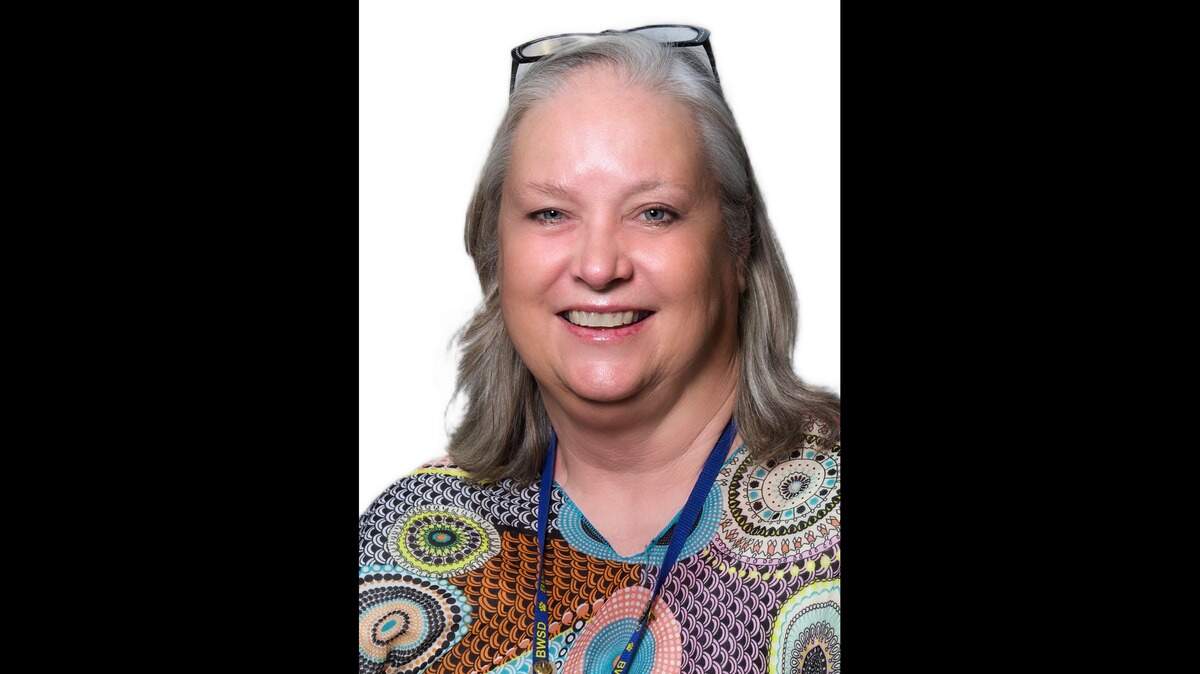
Nicole Etheridge, Singing River Academy, Gautier
Vegetation field study: Students document the growth of vegetation by building a greenhouse, improving their collaboration skills, and learning to conduct and document scientific research, a hybrid STEM and language project.

Chelsea Fortenberry, Popp’s Ferry Elementary, Biloxi
Exhibits that Excite: Students learn about content and context by putting themselves in real life exhibits that they create from stories they study, also expanding their knowledge and experience beyond the classroom.

Megan Gill, North Woolmarket Elementary and Middle schools, Biloxi
You Can’t Do It—YET!: Students develop confidence about their futures by creating “My Big Life” journals that help them develop growth mindsets by learning to think positively, set attainable goals, make a difference, love learning and persevere.

Wendy Lizana, Bayou View Elementary, Gulfport
Turning to Toys to Teach: Toys become a vehicle for discussion and insight as students change the learning environment by applying Froebel’s educational principles and practices to today’s intellectual capital and wired world, where reading, writing and arithmetic become critical thinking, creativity and collaboration with empathy.

Cecil Murphy, St. Martin Middle, Ocean Springs
Learning STEM with Dragsters: Students design, build, create, sand, paint and test their dragsters in a class competition, creating detailed drawings of their dragsters, then make them with 3D design software, drill press and a CNC router.

Scott Pfaff, Gulfport High, Gulfport
Unplugging a Shipping Container Classroom: STEM Academic Institute students will for the next two years outfit a shipping container as a remote classroom/workshop, using their studies to determine whether the wind or sun offers the most efficient energy source for their unplugged classroom.

Bethany Seal, West Harrison High, Gulfport
Contemporary, Culturally Relevant Coming of Age Novels: Students gain cultural awareness by selecting one fiction and one non-fiction book from diverse authors, reading their selections in literature circles with a focus on standards mastery and cultural awareness, then teaching their novels to the class.

Lauren Sexton, Ocean Springs Upper Elementary, Ocean Springs
School Connections Class Investigates Forensics: Students examine and analyze forensic evidence, including fingerprints, unknown powders, urine specimens, money and handwriting samples, as part of a police investigation that identifies the most likely suspect in a “whodunit” scenario.

Georgia Ricard and Angela Sievers, Martin Bluff Elementary, Gautier
STEMing from One Continent to Another: As they study animal habitats, students use science, technology, engineering and math to create animal exhibits that transform their classrooms into habitats that span different continents, then act as tour guides to showcase their discoveries.