Judge adds higher bond, house arrest for ex-MS state senator Philip Moran
AI-generated summary reviewed by our newsroom.
- Judge raised Moran’s surety by $75,000 and ordered GPS‑monitored house arrest.
- Moran faces bribery and conspiracy charges tied to a $20,000 alleged payoff plot.
- Court denied suppression of cellphone warrants; co‑defendants pleaded guilty.
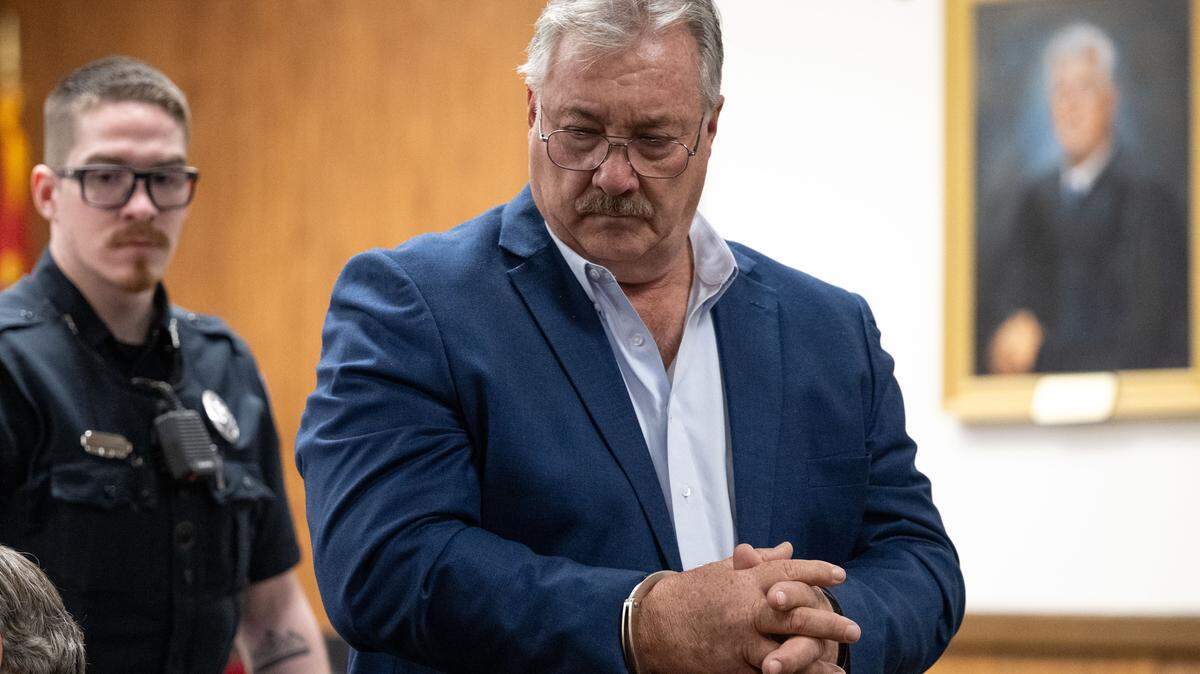
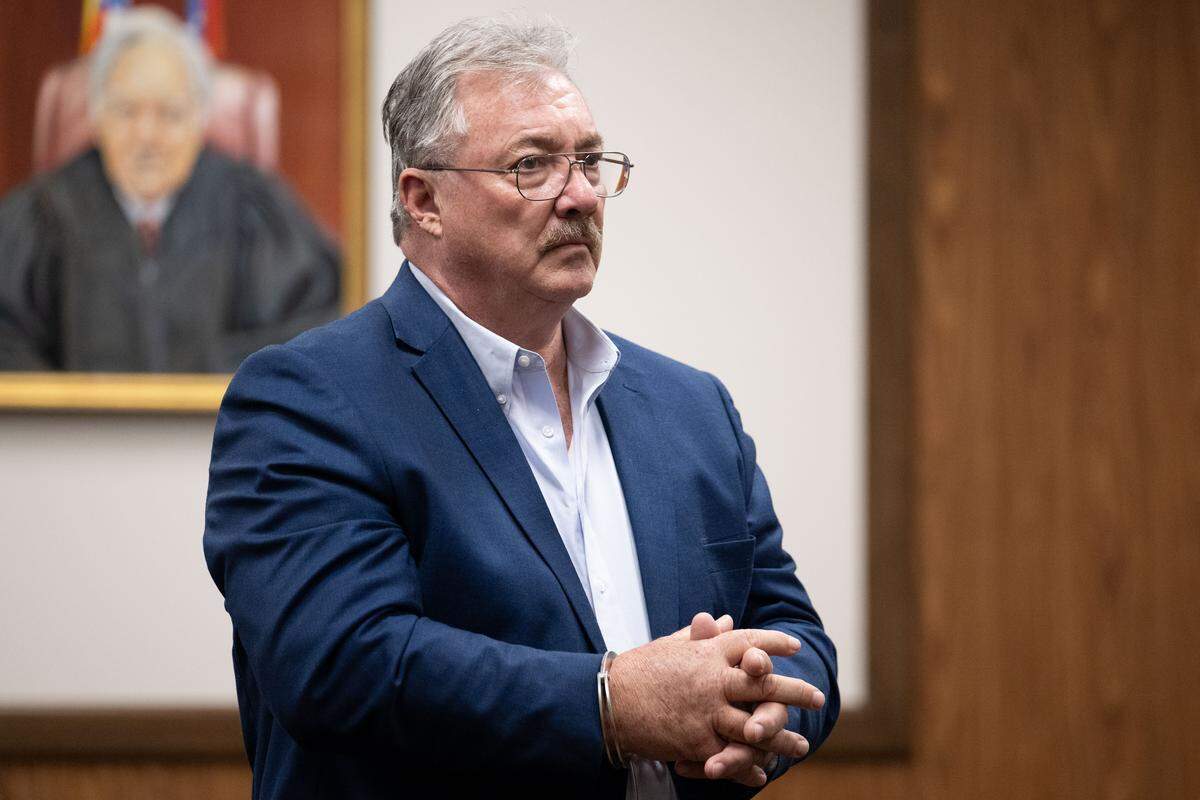
Circuit Court Judge Christopher Schmidt on Wednesday imposed an additional $75,000 surety bond on former Mississippi State Sen. Philip Moran, allowing him to remain out of jail on bond, but restricting him to home confinement with a GPS monitor following alleged threats.
In his ruling, issued after testimony from Hancock County Supervisor Darrin “Bo” Ladner, Schmidt said Philip Moran would be placed under house arrest. Moran will be allowed to leave his home only to meet with his attorney, H.H. “Tracy” Klein III, at Klein’s office in Hattiesburg as he awaits trial next week on charges of bribery and conspiracy to commit bribery.
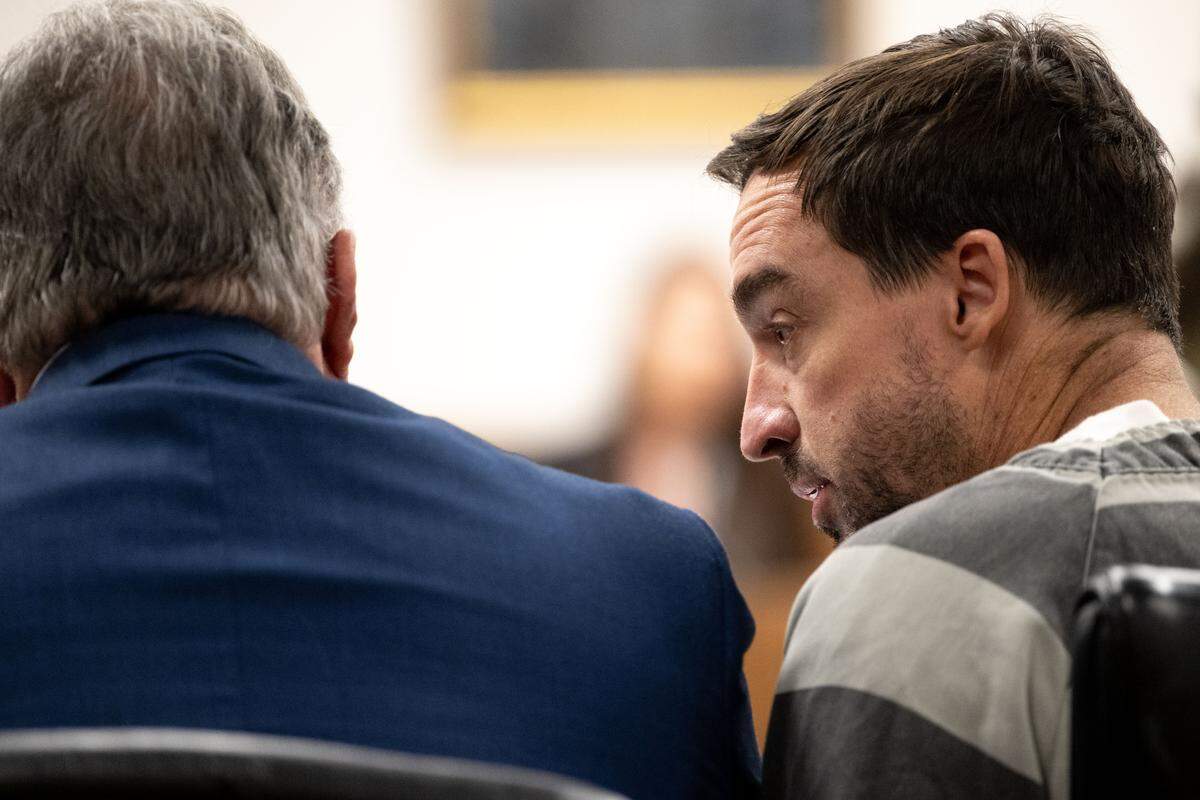
Moran and his son, convicted sex offender Alan Moran, are scheduled to stand trial before Schmidt after a request to disqualify the judge was denied.
Both are charged with bribery and conspiracy to commit bribery in an alleged attempt to pay Alan Moran’s stalking victim $20,000 to drop a misdemeanor charge. Alan Moran is currently serving a 12-year prison sentence for violating probation in a felony child exploitation case.
Philip Moran was jailed Tuesday night after Schmidt heard a recorded statement Ladner gave to FBI agents about a Jan. 22 conversation at Moran’s Diamondhead home. Ladner told agents that Moran demanded to know “who the hell is trying to put him into prison” and said that if he had cancer, he “would kill a bunch of people.”
Ladner also said Moran claimed to have ample ammunition to carry out such an act, though Moran did not identify any specific targets.
During testimony Wednesday, Ladner recounted the same conversation but said Moran later told him he was “just blowing off some smoke.” Ladner testified that he has known Moran his entire life and did not believe he would act on the statements, adding that he would have contacted authorities himself if he thought the threat was real.
In ordering Moran’s release to house arrest with additional restrictions, Schmidt said there was “insufficient proof that the defendant had any specific intent to violate bond by threatening anyone involved.”
The judge also said “there’s not been a showing that the defendant’s conduct presented a real and present danger … to the safety and wellbeing of any individual in that community.”
As a precaution, however, Schmidt imposed additional bond conditions barring Moran from possessing weapons and from using any medication not specifically prescribed to him. Schmidt also ruled that Moran may not use marijuana, even if he has a prescription.
Assistant District Attorney Chris Daniel argued that Moran should remain jailed pending trial, citing concerns about potential danger to the public.
During the FBI interview, Moran also made statements suggesting he believed someone was trying to set him up and ruin his family.
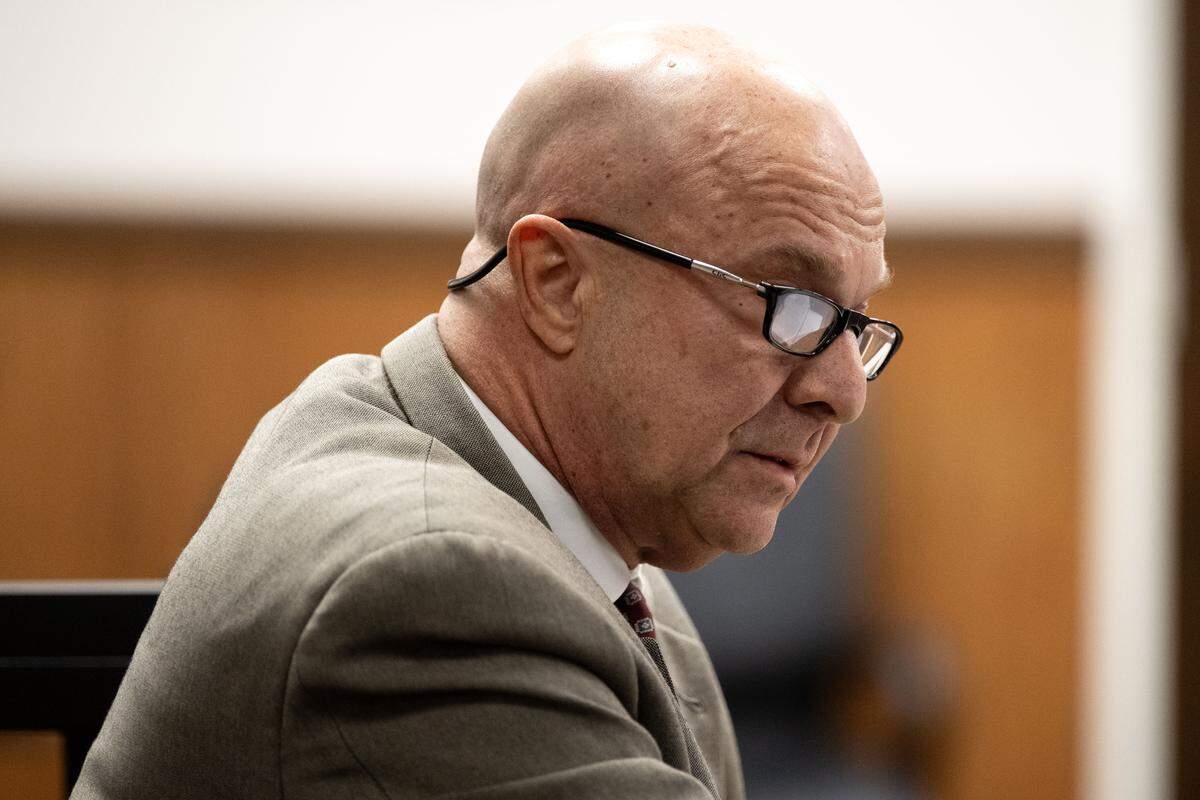
Earlier Wednesday, Circuit Judge Randi Mueller heard arguments on a defense request to suppress evidence obtained from cellphone search warrants in the case. Defense attorneys argued the warrants were invalid because they did not identify the owner of the cellphone numbers.
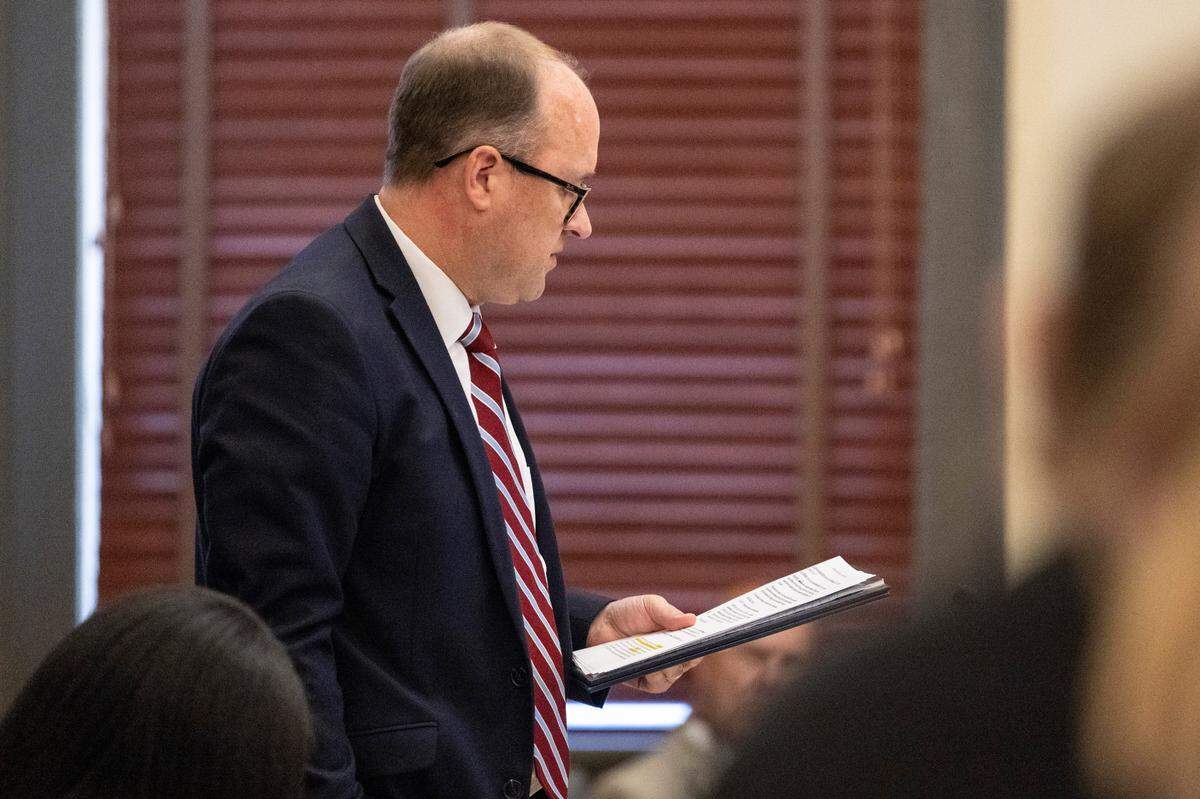
After hearing arguments from Klein and defense attorney Donald Rafferty, as well as Assistant District Attorney Matthew Burrell, Mueller denied the request. She cited case law holding that a warrant need not list a name if sufficient facts exist to justify the search warrants, which were approved by Schmidt.
Two other defendants in the bribery case, Ian Schexnayder and Jeremy Billings, have already pleaded guilty to bribery and are expected to testify against the father and son.
Waveland police and the FBI began investigating the bribery allegations in December 2024 after the stalking victim reported being approached at a Lowe’s store by two men on motorcycles, later identified as Billings and Schexnayder. Authorities say the men offered the victim $20,000 to drop the stalking charge, including $5,000 in cash upfront and the remainder after the charge was dismissed.
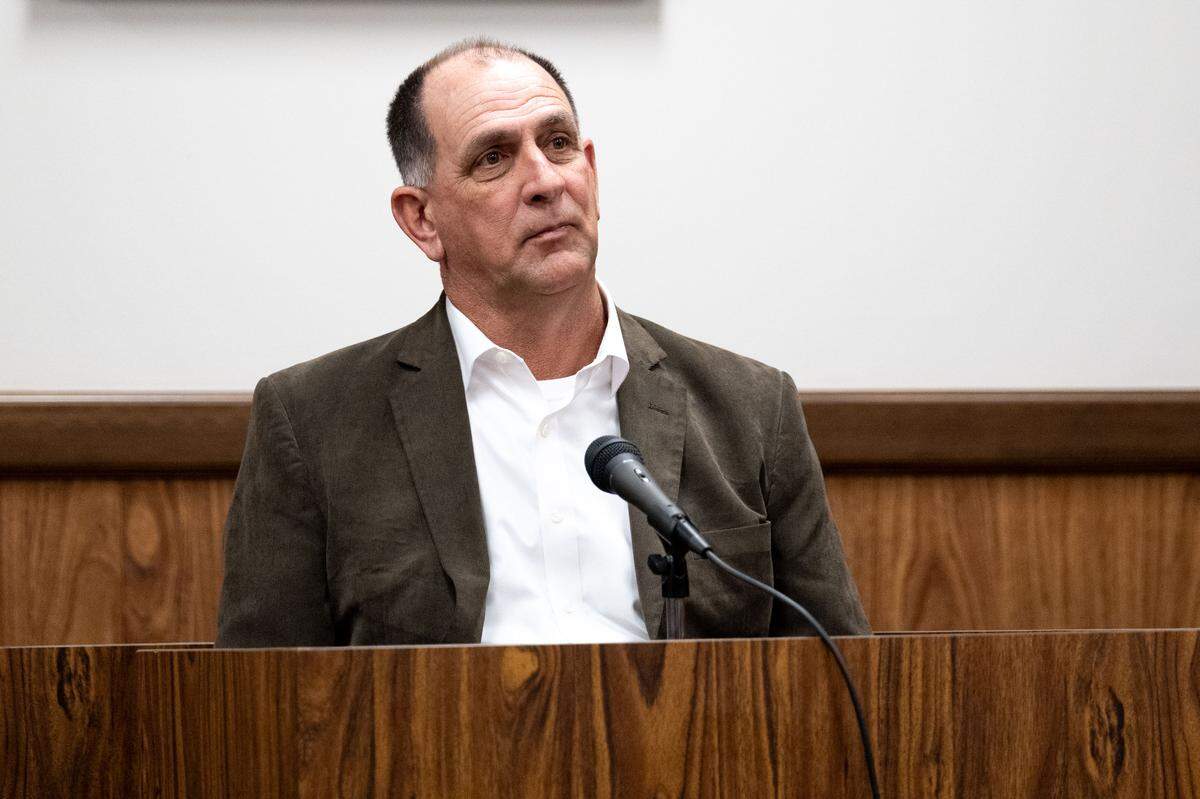
The victim rejected the offer and reported the attempted bribe to police. Alan Moran was later convicted of the misdemeanor stalking offense, and felony bribery indictments followed.
According to Billings, Alan Moran summoned him to the family business in Kiln and asked him to offer the victim a $20,000 payout. Investigators allege the Morans supplied the cash and instructed Billings to offer $5,000 upfront and $15,000 later, though no money ultimately changed hands.
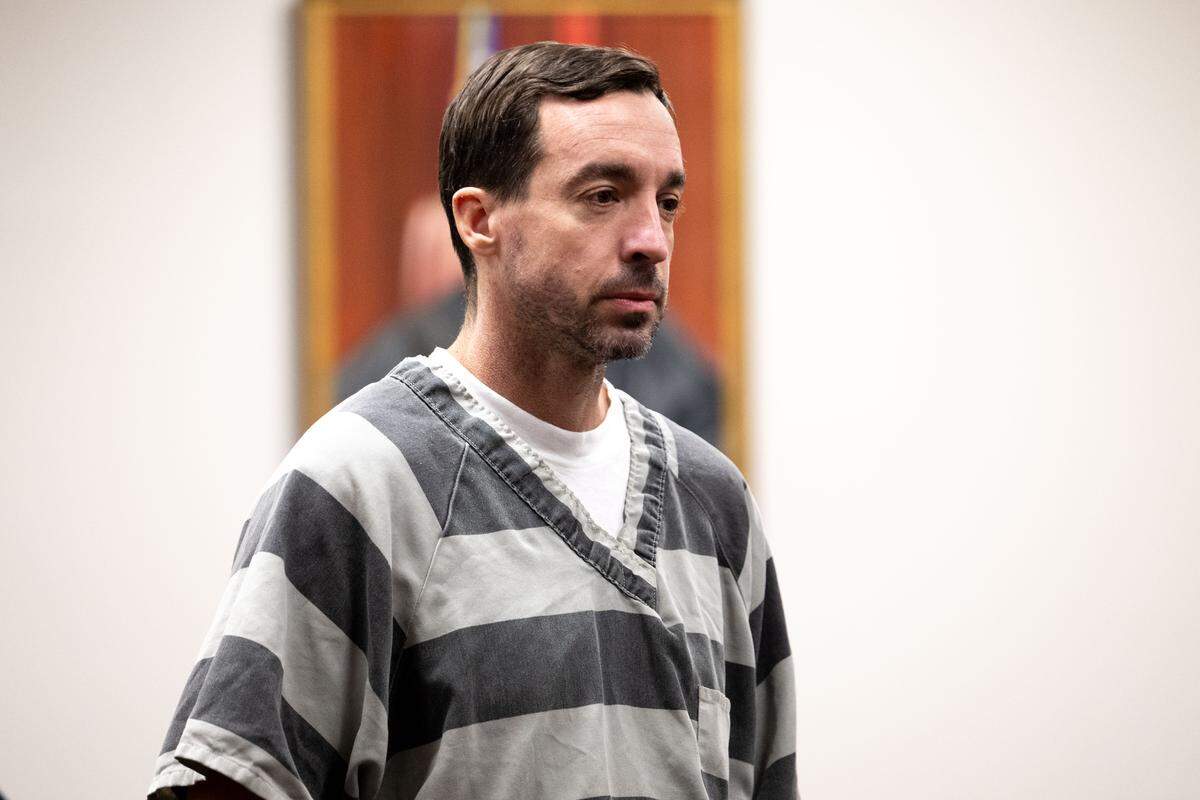
Investigators later received information linking Philip Moran to the scheme through a $30,000 cash withdrawal he made from Keesler Federal Credit Union in Diamondhead on the same day the stalking victim reported the bribery attempt. Authorities believe the money was intended to fund the bribe and to pay Billings and Schexnayder $5,000 each for their roles.
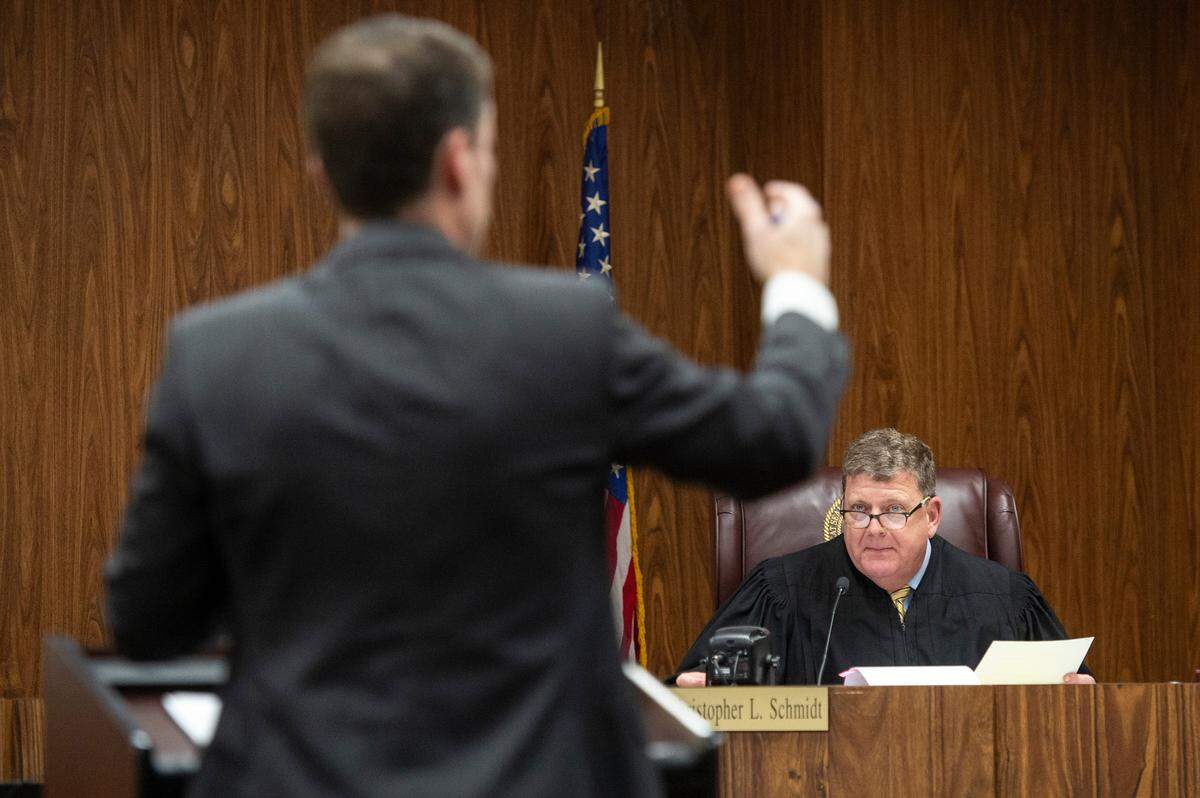
Surveillance footage from Lowe’s helped investigators identify the two men, and Billings later told authorities he recruited Schexnayder to assist with the plan.
Newly filed criminal affidavits outline additional evidence against the Morans, including tips to law enforcement regarding the large cash withdrawal made by the former state senator.