Former MS deputy responsible for college student’s death loses in court again
AI-generated summary reviewed by our newsroom.
- Fifth Circuit upheld denial of qualified immunity for deputy in 2022 shooting.
- Court found factual disputes on whether Winkley posed immediate deadly threat.
- Officer avoided indictment by surrendering law enforcement license via agreement.
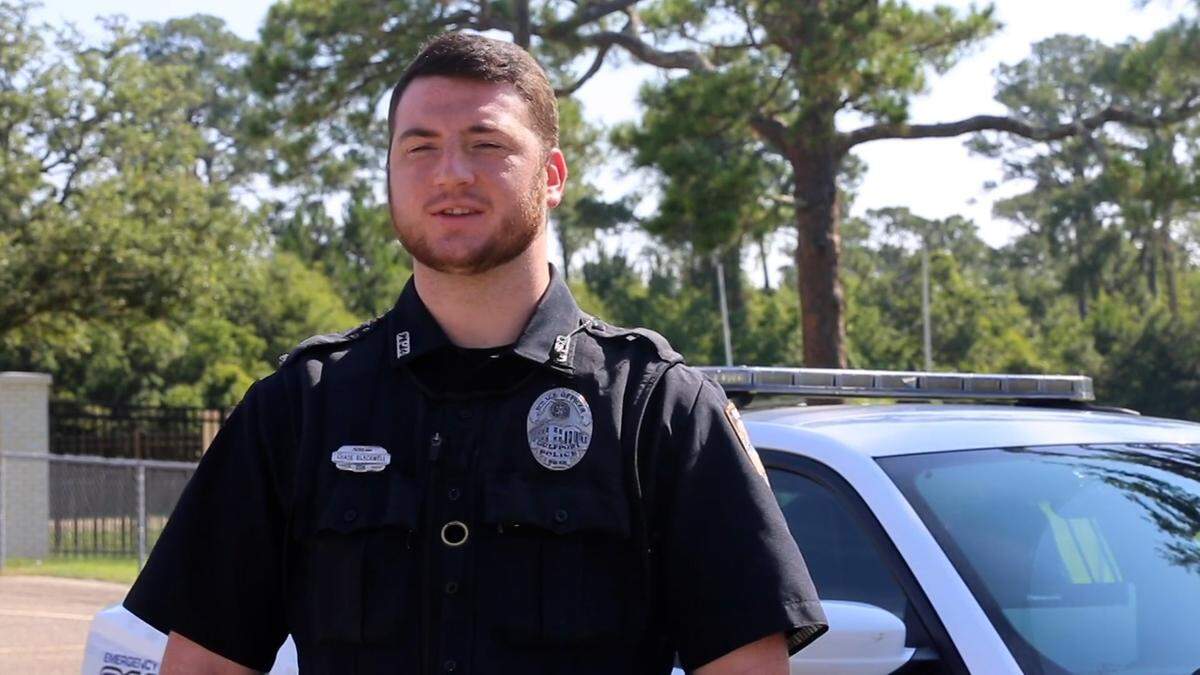
The U.S. Fifth Circuit Court of Appeals has upheld a federal court ruling in Mississippi denying qualified immunity to former Hancock County Sheriff’s K-9 Deputy Michael Chase Blackwell, who kept his police dog on a leash when he shot and killed a Florida college student.
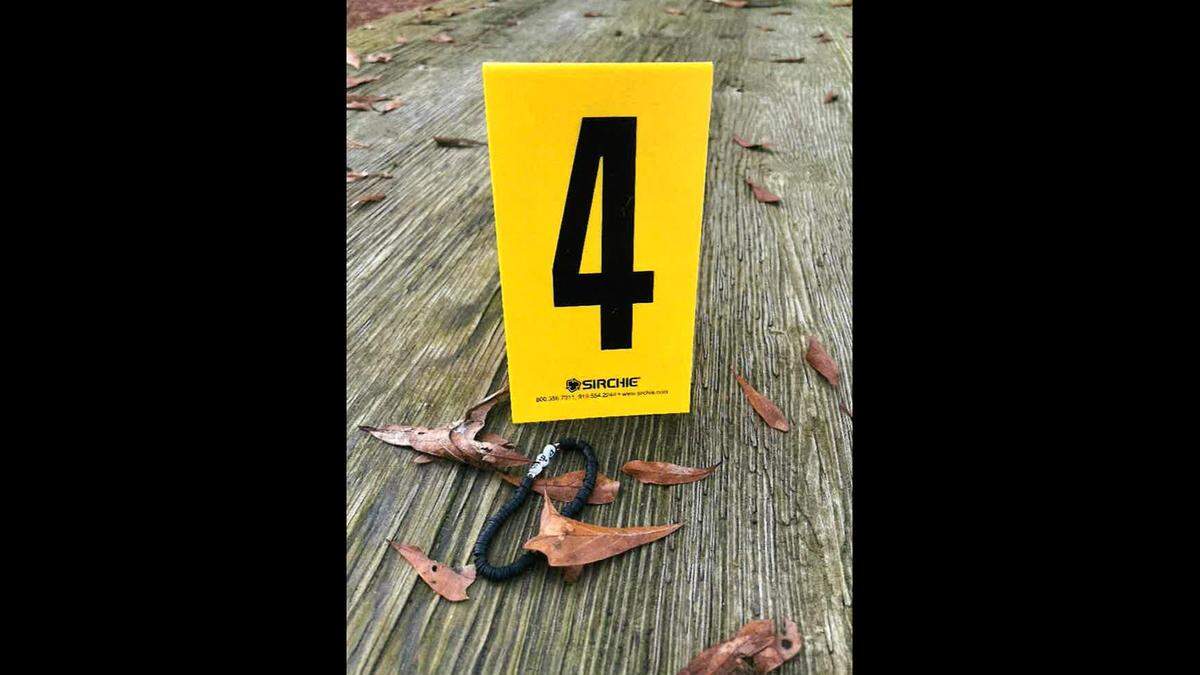
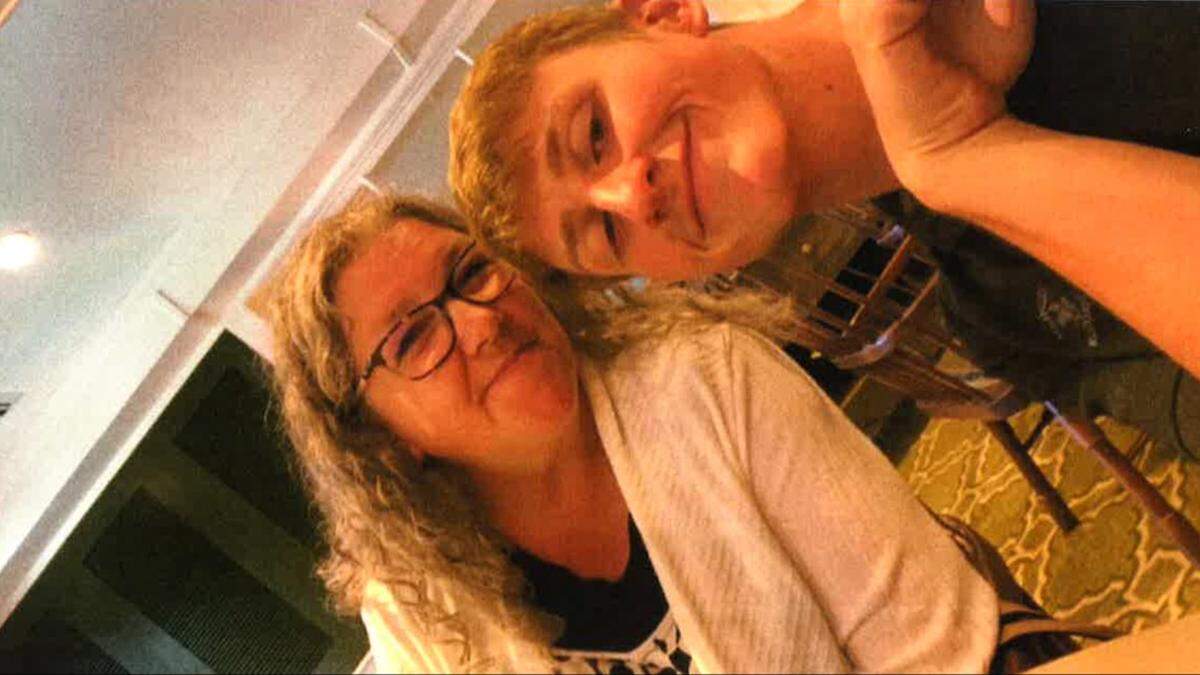
At the time of the Dec. 10, 2022, shooting that killed Pensacola Christian College student Isaiah Winkley, he had a bottle of Mentos candy in one hand and a metal T-post used for fencing in the other. Deputies had already twice stunned Winkley with a Taser before the killing.
Qualified immunity shields government officials, including law enforcement officers, from civil liability if their actions could reasonably be believed to be legal.
The Fifth Circuit issued the ruling in the wrongful death lawsuit involving excessive force filed against Blackwell in federal court in Gulfport.
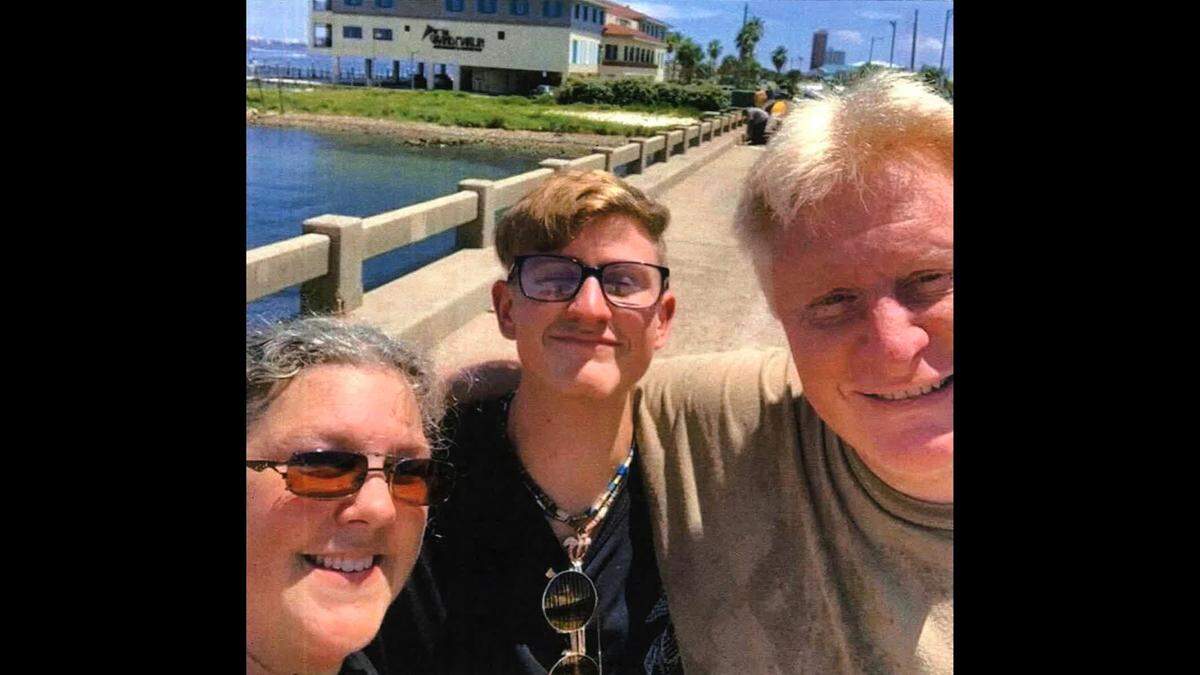
Attorney Lance Stevens filed the lawsuit in Mississippi’s Southern District on behalf of Winkley’s parents, the Rev. Dwight Winkley and his wife, Catherine, of Morehead, Georgia.
In the lawsuit, Stevens argues that Blackwell shot the young man from eight feet away “without provocation, warning or justification.”
Since the ruling, a settlement conference has been scheduled in a federal court in Mississippi to attempt to resolve the case without a trial.
Either way, Stevens said: “We are pleased to present the facts of this tragedy to a Gulf Coast jury. The hearts of the Winkley family will never be whole again.”
In its findings, the Fifth Circuit affirmed a ruling last year by U.S. District Judge Louis Guirola denying Blackwell qualified immunity in the civil litigation.
The Winkleys believe their son was the victim of criminal wrongdoing, though a state grand jury in Hancock County found insufficient evidence to indict Blackwell for a crime in the case.
However, the grand jury came after federal prosecutors agreed to forgo federal prosecution of Blackwell for criminal wrongdoing in exchange for Blackwell signing an agreement to surrender his law enforcement license and certification, and never serve again in law enforcement anywhere in the United States.
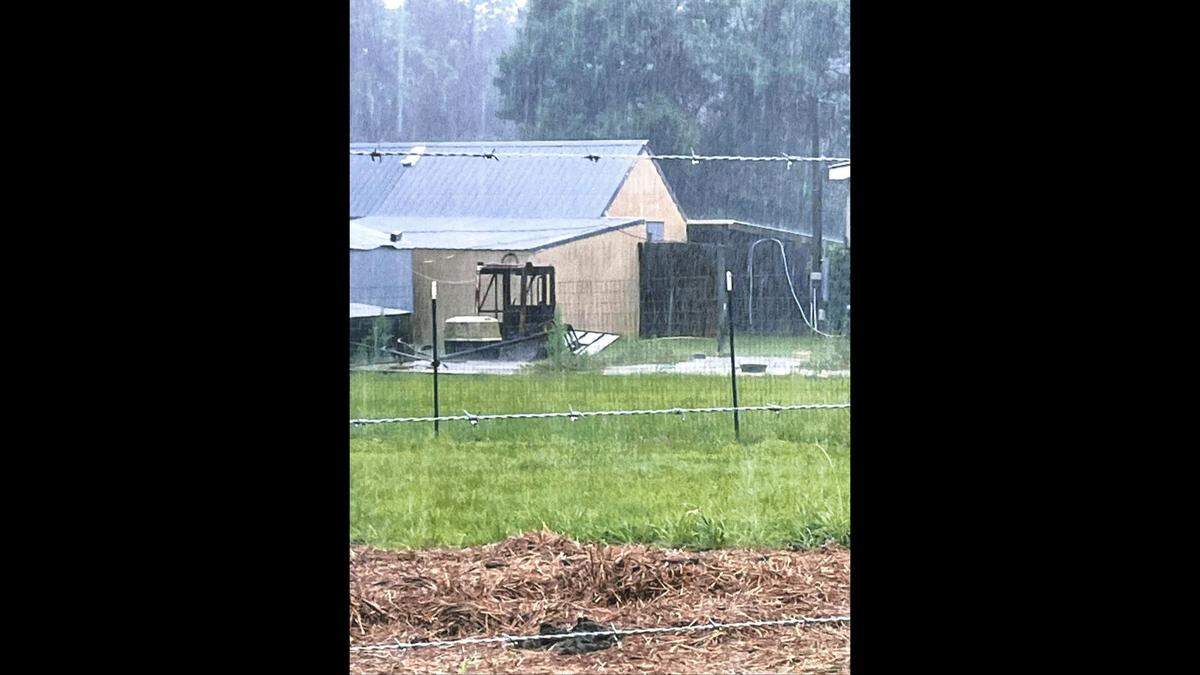
Blackwell contends that he shot and killed Winkley because of an “immediate” threat to his safety and the safety of two other deputies, Lt. Christopher Sholar and Deputy Laura “LauraLyn” Yager, after the deputies responded to a report of a burglary in progress at a vacant home in Hancock County.
In addition, Blackwell claimed he fired the fatal shots after he saw Winkley reach for something near his waistband that could have been a gun.
After reviewing camera footage of the shooting and considering other arguments, the Fifth Circuit agreed with Guirola’s ruling that said, ‘There exist material questions of fact whether Officer Blackwell faced an immediate threat of death or bodily injury at the time he applied deadly force.”
In addition, the Fifth Circuit pointed out that Blackwell “twice described Isaiah as using the T-post as a ‘walking stick’ in his interview with the Mississippi Bureau of Investigation after the shooting.
“Throughout the encounter, Isaiah held the post upright by his side; he did not wave it at the deputies,” the Fifth Circuit ruling said.
“Throughout the encounter, the only words Isaiah said to the deputies were, “Shoot me!,” a phrase which he repeated multiple times at escalating volume,” the ruling said. “Because he was not wearing a shirt, his waistband was visible to the deputies at all times, and there was nothing protruding from his waistband.
“His hands were also visible to the deputies throughout the encounter, as he did not reach behind his back or anywhere else beyond their line of sight.”
The Sun Herald reached out to Blackwell’s attorneys for comment but didn’t hear back.
This story was originally published June 11, 2025 at 8:08 AM.