MS Coast deputy feared for his life when he shot at college student, court papers say
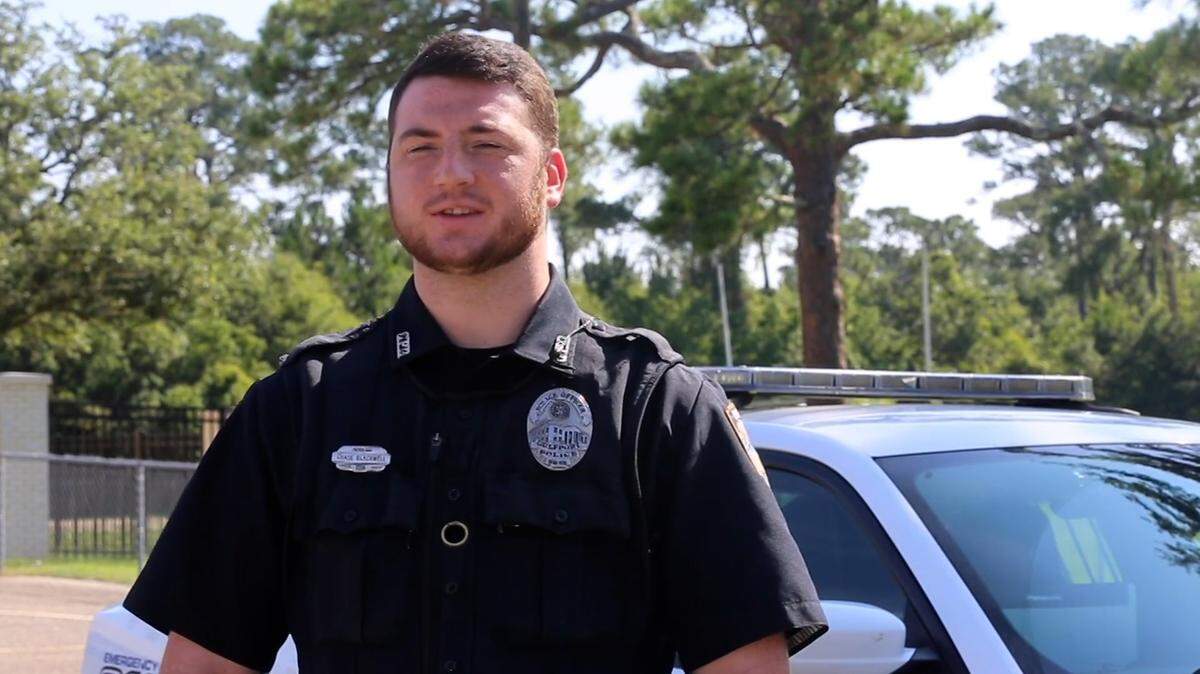
Hancock County Sheriff’s K-9 Deputy Michael Chase Blackwell said he shot and killed a 21-year-old college student armed with a 6-foot metal T-post because he feared for his life and the lives of two other deputies.
The now ex-deputy recalls firing four rounds at Isaiah Winkley, a senior majoring in cybersecurity at Pensacola Christian College, as he was screaming, “shoot me,” and walking toward him from over 8 feet away.
An autopsy report showed Winkley had been shot five times.
Blackwell defended his actions by saying he felt like the metal T-post — a steel pole used for fencing —could have “‘split me’” or Winkley could’ve used it to “knock me unconscious and get my gun — shoot my partners — just a lot of things that could have happened at that point.”
He described the encounter as “terrifying” and said he didn’t unleash his police K-9, a German Shepherd named Dark, on Winkley because his law enforcement training had taught him not to send a police dog into a “deadly force” encounter.
Blackwell made those admissions and more in an affidavit filed in a wrongful death lawsuit against Blackwell, the Hancock County Sheriff’s Department, Sheriff Ricky Adams and other unnamed defendants.
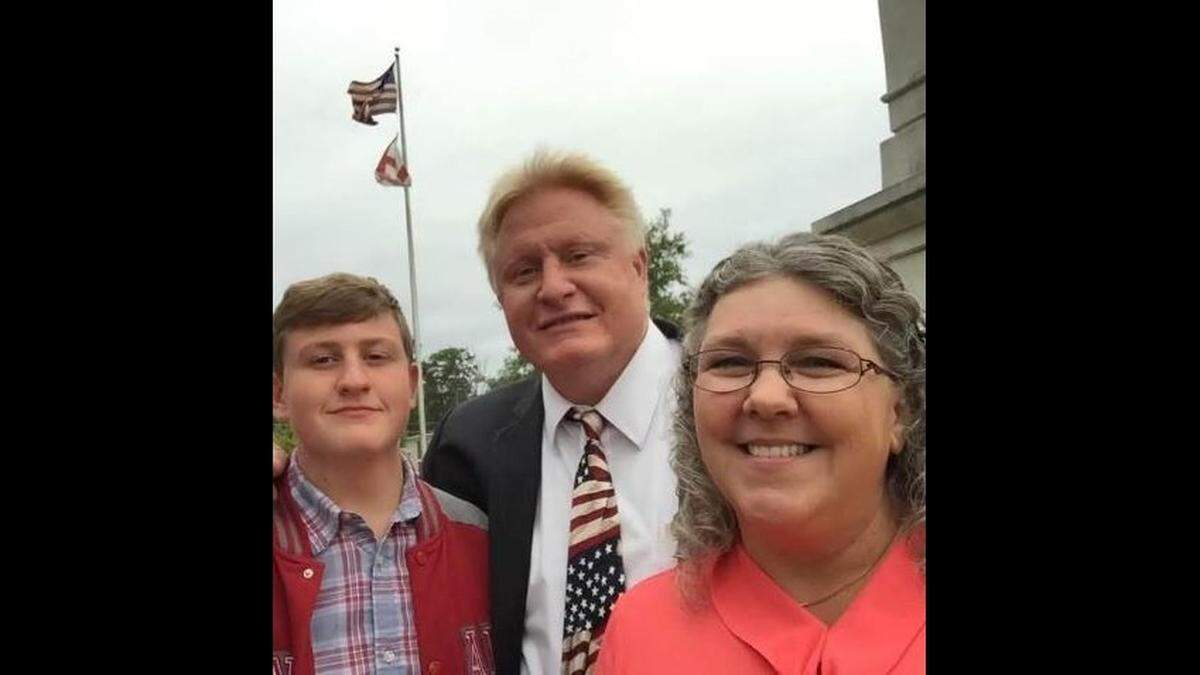
Attorney Lance Stevens represents Winkley’s parents, the Rev. Dwight Winkley and Caroline Winkley, of Moreland, Georgia, in the lawsuit filed in federal court in Gulfport. The Winkleys allege the defendants acted with negligence, malfeasance and reckless conduct in causing their son’s death.
In addition to filing an affidavit in the case, Blackwell mailed a copy of camera footage of the Dec. 10, 2022, fatal shooting that he is asking U.S. Magistrate Judge Robert Myers to restrict from the public “for the entirety of this litigation or at least until the MBI inquiry is closed.” But, this week, he filed a new motion saying there appears to be no objection from Winkely’s family to the release of the video.
It’s unclear why Blackwell has camera footage of the shooting because the case has not yet been cleared of any criminal wrongdoing.
The Mississippi Bureau of Investigations, which investigates all police shootings in the state, has turned over its findings to Attorney General Lynn Fitch’s office for review, Sean Tindell, commissioner of the Mississippi Department of Public Safety, confirmed.
The Attorney General’s Office has denied the Sun Herald’s request for access to reports, call logs, camera footage, and other information on the fatal shooting, calling the material investigative reports or attorney-derived “product” that is restricted from public access under Mississippi’s public records law.
Winkley’s attorney wants the footage unsealed without any restrictions to public access.
In addition, Sun Herald’s attorney, Henry Laird, has filed a motion asking to intervene to object to sealing material in the case.
“It is antithetical to our system of justice that parties to a homicide — a government official and his governmental agency — could refuse to provide public documents they possess to an aggrieved family while simultaneously stalling the litigation and requesting the cause of action be dismissed due to a lack of particularity in the allegations of a complaint,” Stevens said. “This is an aberration of due process.”
Stevens told the Sun Herald that the Winkley family has a right to see exactly what happened to their son the day he died. He said the family wants the footage and other material made public.
“I’ve requested information from the sheriff,” Stevens said. “I’ve requested it from MBI and the AG’s Office, and they have all said no. Every single witness and every single document has been under their control from Day 1, and they have refused to give the family of Isaiah Winkley any of it.’
“This was not a heat of passion situation,” he added. “You had three officers with their guns pulled in a safe position giving the party instructions, and you had a K-9 there.
“They (the deputies) apparently just lost patience, so they just killed him.”
Blackwell filed court papers late Tuesday that he has no objection to the release of the video.
A burglary report, 3 cops and 1 K-9
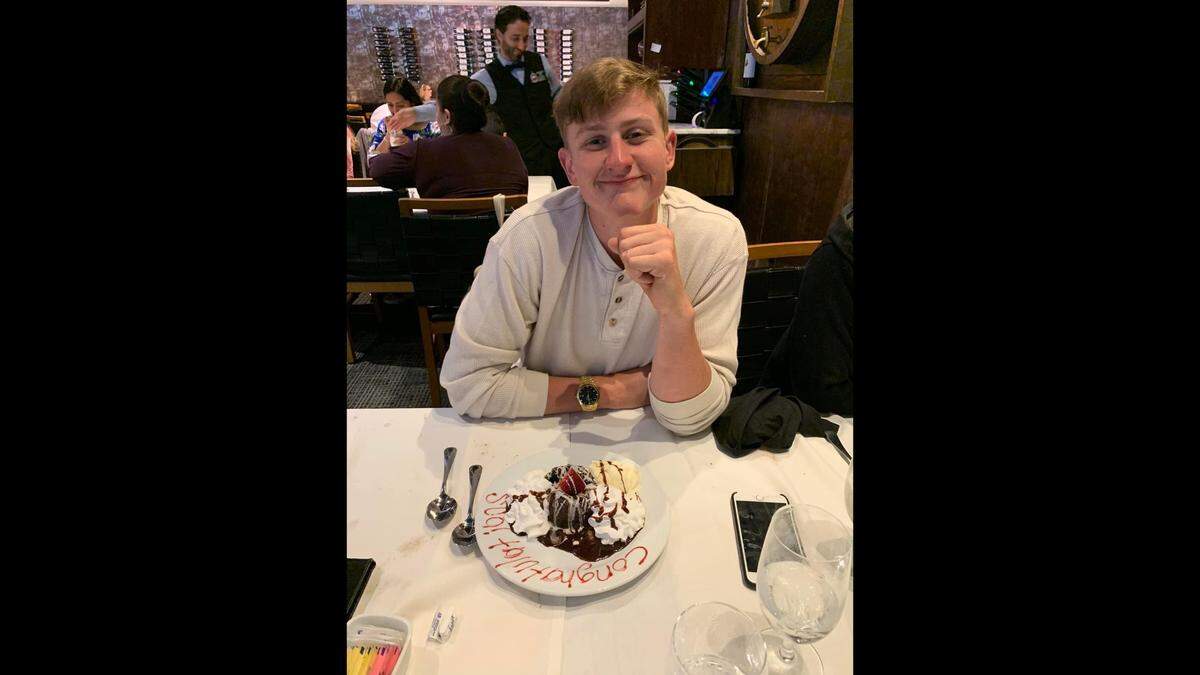
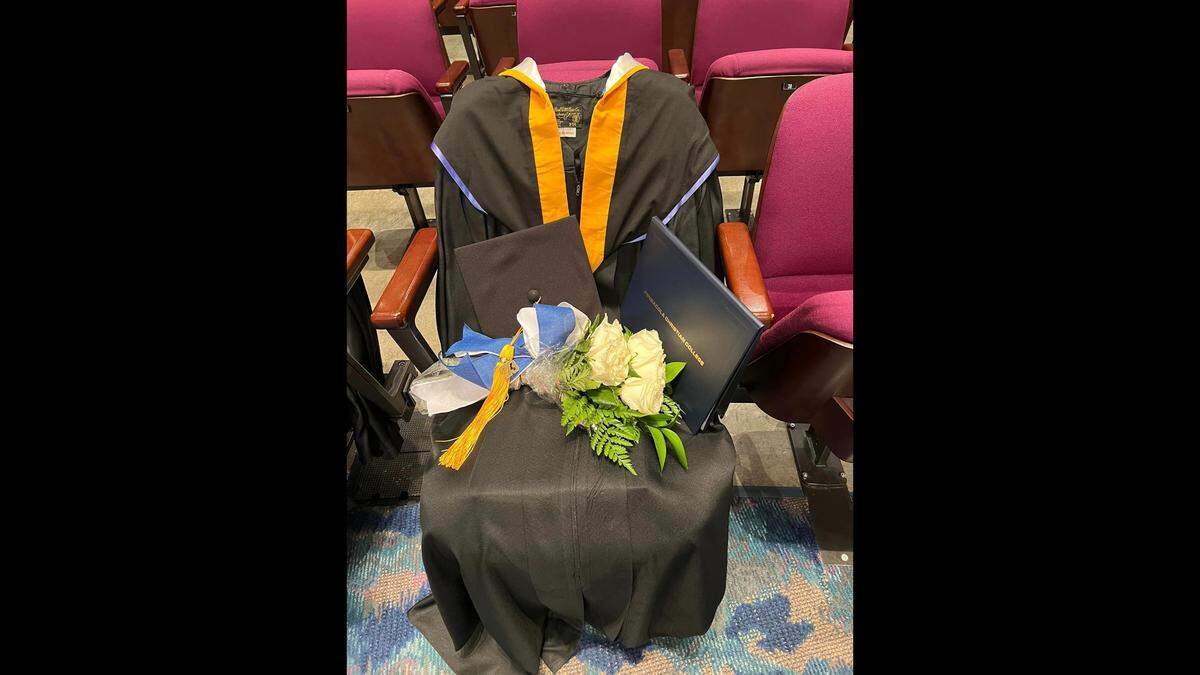
Winkley was just a few months shy of graduating from the Florida college when he died of gunshot wounds to the body on Dec. 10, 2022.
An autopsy showed Winkley had been shot five times.
Blackwell and his K-9 and two other deputies, identified in court papers as Christopher Dunn Sholar and Laura Lynn Yager, went to the home where the shooting occurred after receiving a report of a burglary in progress.
According to the lawsuit, Winkley ended up at the property after his car “veered slightly left” off the road and got stuck in front of St. Matthew the Apostle Church near the intersection of Highway 603 in Hancock County.
Winkley ended up on the property, the lawsuit says, after he went to find help or “some means for rescue” and saw the “empty” house.
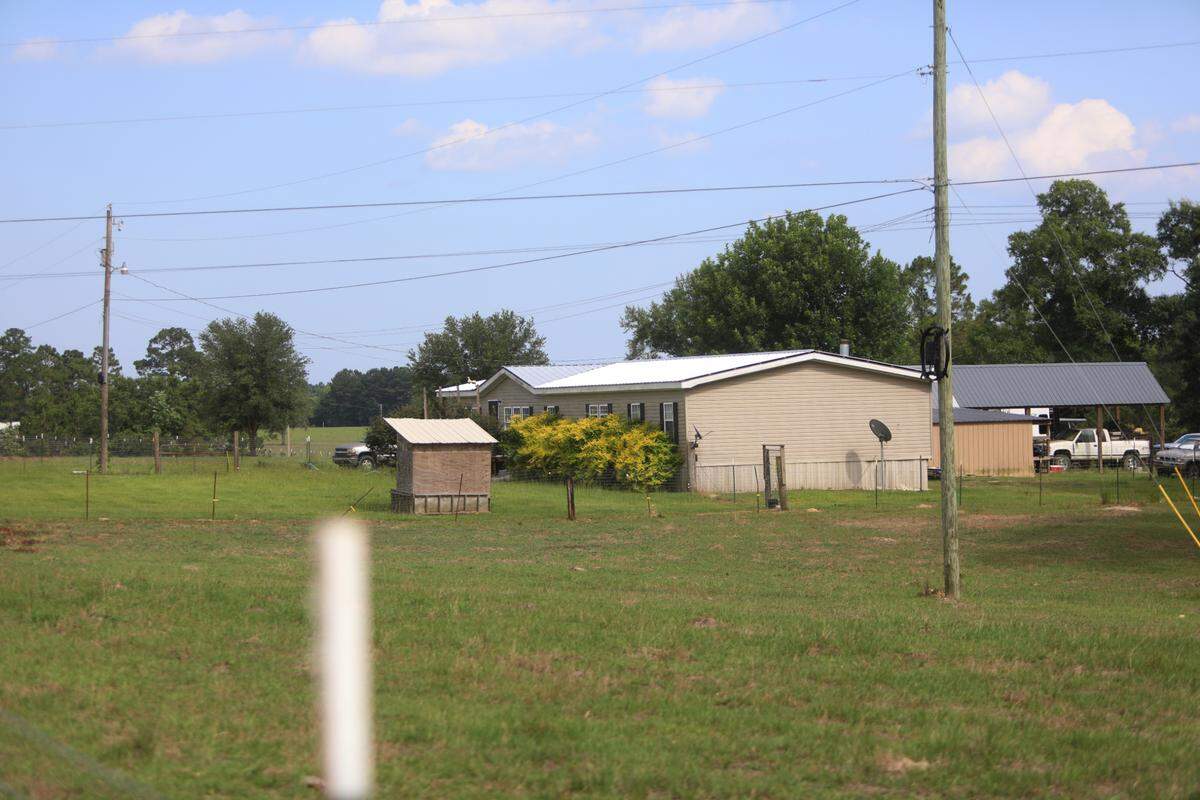
The suit says a witness saw Winkley on the front porch with a hand-operated winch with a ratchet, a tool used to pull stuck items.
The witness called the Sheriff’s Department around 7 a.m., and the three deputies and the police K-9 arrived shortly after.
The lawsuit claims the deputies had their guns drawn when they encountered an unarmed Winkley, but the deputies never came within 20 to 25 feet of him before the killing.
Blackwell had a different story in court papers.
A threat and a “terrified witness.”
When the call came in, Blackwell said the dispatcher said the suspect was in the process of breaking into a car and had threatened to kill the caller with a ‘chain binder” he had on him. A chain binder is a tool used to tighten a chain.
Dispatch, he said, told him the caller left to get a gun from his home after the threats.
The caller, Blackwell said, thought Winkley was under the influence of alcohol or drugs and was not in his right mind because he looked like ‘he had the devil in his eyes.”
When he heard the dispatcher’s description, Blackwell said it sounded like the call about “protecting property” had turned into a call about “protecting human life.”
When he arrived, Blackwell said he and the other deputies talked to the caller.
“The thing that stood out to me the most was the look on the caller’s face,” he said. “It looked like he was completely terrified and had seen a ghost of some sort. His eyes were very big, and that caused the hair on the back of my neck to stand up. This guy looked like he was scared for his life.”
The lawsuit says that the deputies had their “guns drawn” when they encountered Winkley.
Winkley’s family said he was not armed, but Blackwell said the metal post was the weapon, and he wasn’t sure at the time if Winkley had somehow gotten a gun out of the home he allegedly broke into.
Before the shooting, Blackwell said he saw the other deputies use their Taser on Winkley but said the college student “grabs the probes and rips them out of his chest.”
Winkley, he said, fell at one point but got back up, had the T-post in his hand and was shouting “shoot me at the top of his lungs” while walking toward him.
Blackwell said his lieutenant turned to him and said, “It’s not working, man.”
Blackwell said he could hear “fear in his (the lieutenant’s) voice” and told him, “I’m going to shoot him.”
Another deputy, he said, told him, “I got it.” He said the deputy had her gun and her Taser in hand as she headed toward Winkley when she suddenly “stopped dead in her tracks.”
Blackwell said he thought Winkley was reaching for something in his waistband, and he started shooting.
“It was absolutely the most scariest thing that I’ve seen,” Blackwell said. “In fear of my life, my area partner who had just moved up to get closer to him and my lieutenant who’s right across the fence from him, I discharged my firearm four times.”
Blackwell said he was about 8 feet from Winkley when he started shooting. He had his K-9 named Dark tied up to a 30-foot tracking line nearby.
The 21-foot rule and police training
Blackwell defends his actions the day of the shooting, pointing out, for example, that his police training taught him to stay within 21 feet of a suspect.
“It’s where basically if a subject has a weapon and he is within 21-feet of you, and he actively takes off toward you, you can shoot him in the heart, and he can still cause harm or kill you with whatever weapon he has in hand.”
He also talked about why he didn’t unleash the K-9 on Winkley to try to take him into custody.
“We are trained not to send our dog in a deadly force situation, “ he said. “The second thing is in our use of force, the dog is equal to a Taser , and we had (used the Taser on) the suspect two or three times, and it was not effective.”
In the arguments to seal the camera footage, Blackwell and his attorneys ask the judge to restrict public access to the camera footage to protect the privacy of Winkley and his family.
“The Winkley’s first requested the videos in February of this year,” their attorney said. “I had already told them that the family wants this public.”
This story was originally published November 29, 2023 at 9:45 AM.