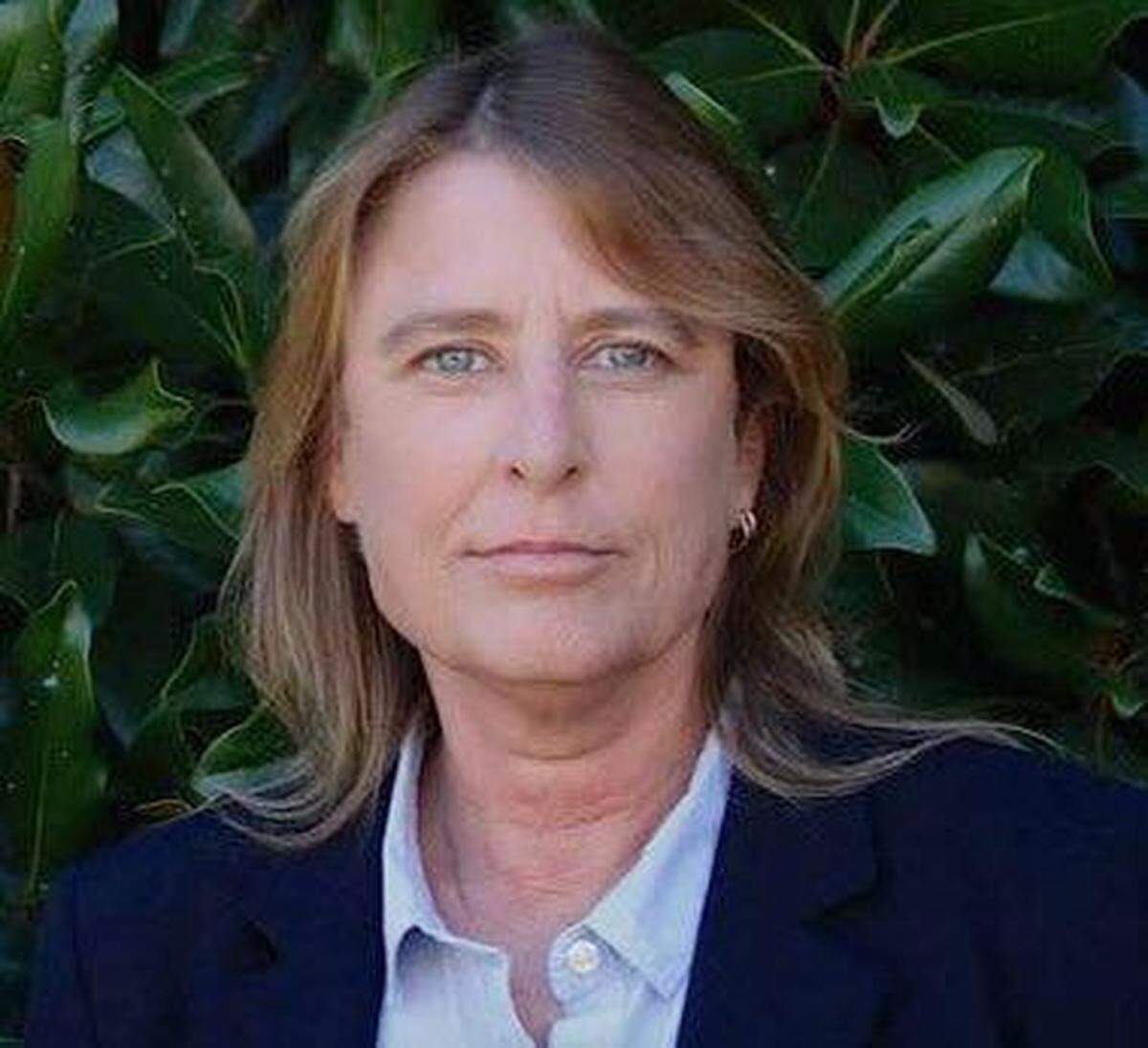
Vet’s family tried to get police intervention before she killed 2 MS Coast police officers
Amy Brogdon Anderson’s mother tried to get Ocean Springs police to take action against her daughter the day before the Coast veterinarian shot and killed two Bay St. Louis police officers, according to police call sheets and other information obtained by the Sun Herald.
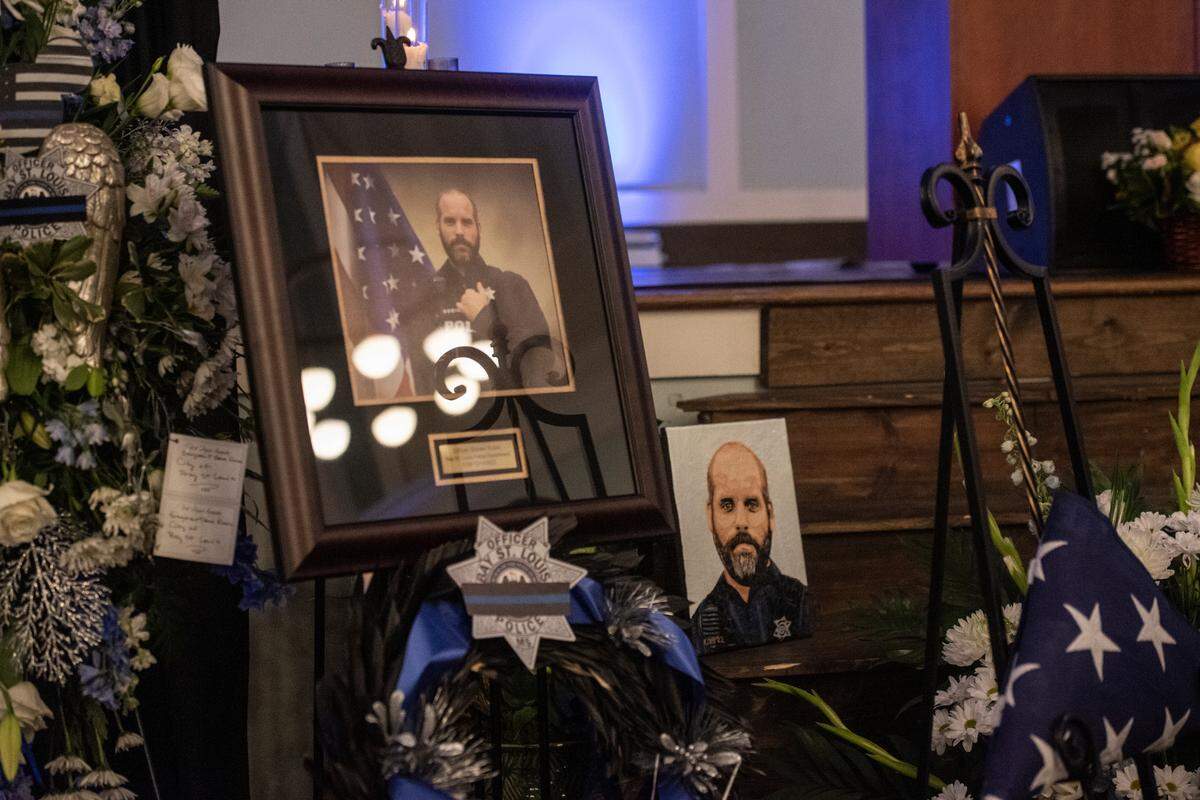
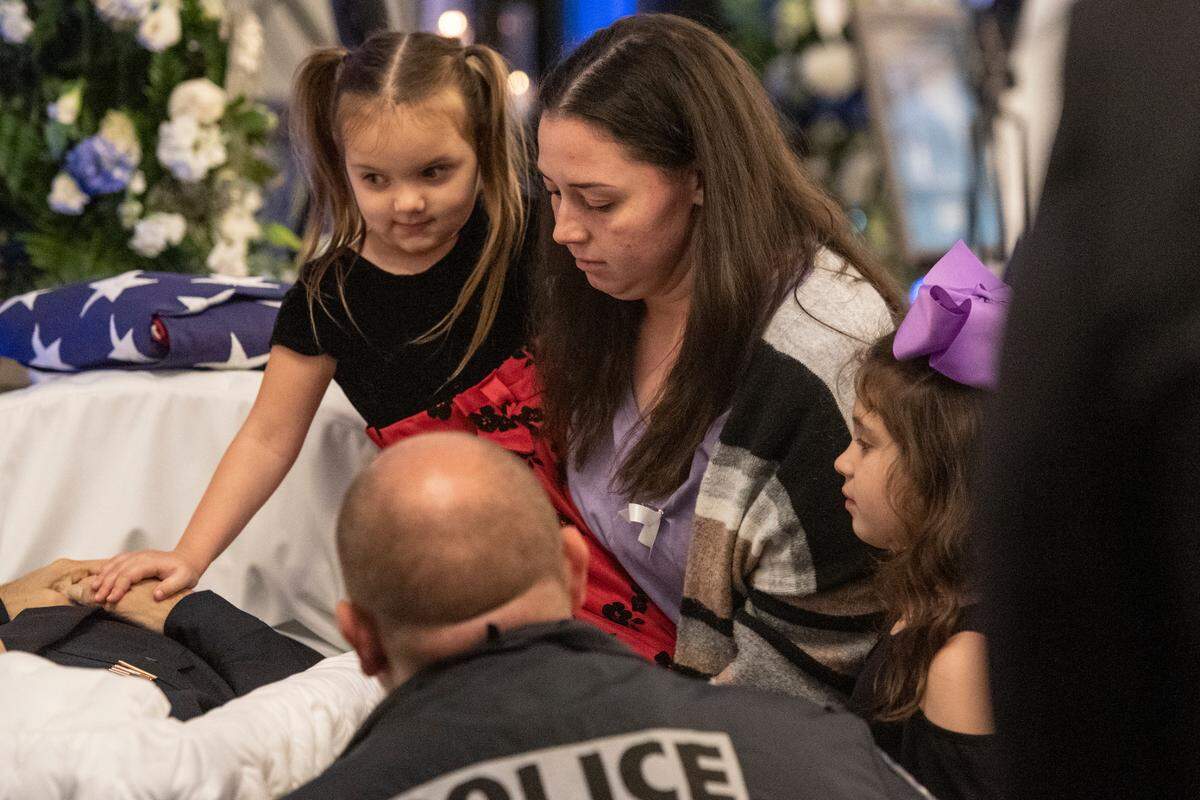
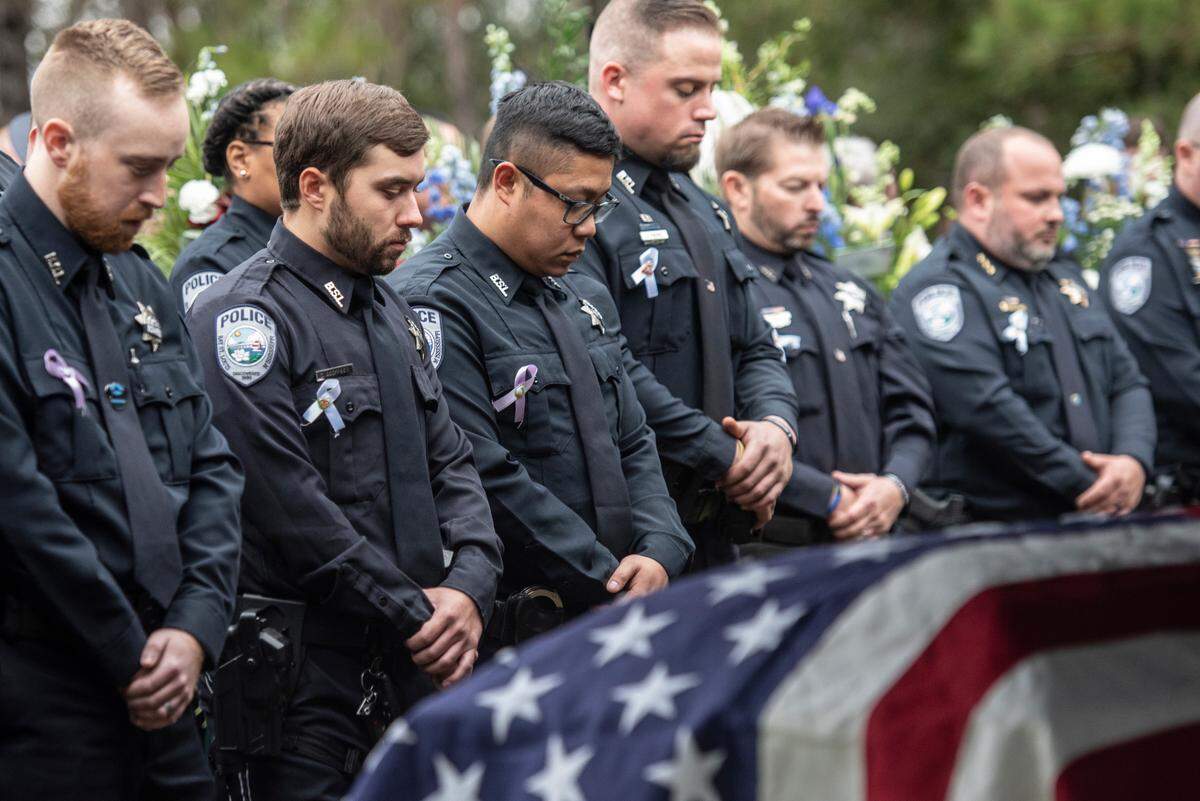
Anderson, 43, shot and killed Bay St. Louis Police Sgt. Steven Robin, 34, and Officer Brandon Estorffe, 23, in the early morning hours of Dec. 14. outside of Motel 6 on Highway 90.
Anderson was sitting in the driver’s seat of her SUV with her 8-year-old daughter inside when she fatally shot Robin and turned the gun on Estorffe. Estorffe shot and killed Anderson in an exchange of gunfire before he fell to the ground and later died.
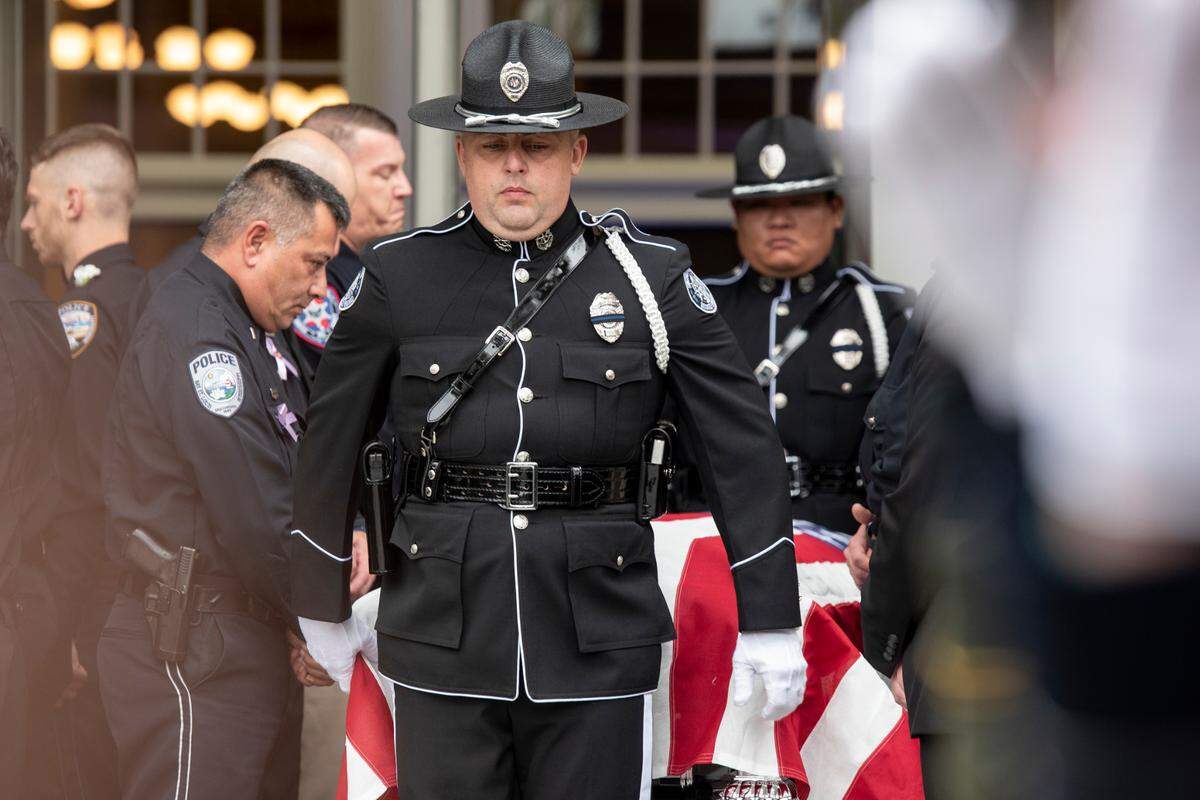
Anderson had asked the Bay St. Louis motel staff to call 911 because she thought someone was following her. Authorities believe she was having a psychotic break and started shooting because she feared losing custody of her little girl.
Her family expressed concerns about her mental stability and reached out for help before the killings.
The Sun Herald filed public records requests and conducted interviews with police and friends and family of those involved, along with mental health experts, to get more insight into the events that unraveled before Anderson killed the police officers in front of her youngest child.
Ocean Springs police officers started dealing with issues involving Anderson on Dec. 13, a short time after the father of Anderson’s two oldest children checked them out of school and took them home to Vicksburg because of concerns over Anderson’s mental health, according to authorities.
The 8-year-old girl stayed with Anderson because she did not have the same father as her siblings.
Police went to Anderson’s home three times and had an encounter with her at the Police Department in a fourth incident, but Ocean Springs Police Chief Mark Dunston said there was never an encounter or welfare check that warranted any arrest or further action by police.
Anderson, according to friends, was starting to unravel mentally and was “delusional” long before the police shootings, prompting her family and others to try to get action taken.
In a public Facebook post taking jabs at Anderson after the killings, a friend spoke up, telling people that they instead should be asking Ocean Springs police why they failed to take action when they “were called out by her friends and family begging for help because she was delusional and paranoid and had a gun.”
“The police came out,” the friend said. “There was an ambulance called. They assessed the situation and left her there with a gun and her child.”
Anderson, who grew up in Vicksburg and followed in her father’s footsteps to become a veterinarian like him, had worked at several Coast vet clinics before she ended up at Lakeview Animal Hospital in D’Iberville about a month before her death. She had also been working at MedVet Mobile.
According to friends of the family, Anderson had issues for a while.
911 calls to Ocean Springs police
The first incident involving Anderson in Ocean Springs occurred at 3:28 p.m. on Dec. 13 when Anderson’s mother called 911 to report that her daughter “is out of control” and believed to be “under the influence of narcotics.”
Anderson’s mother told police her daughter was at her home on Cumberland Road with a loaded pistol and her 8-year-old daughter inside, the call sheet says.
The mother was at the home when police officers arrived and told police she was trying to get custody of the child.
Chief Dunston said multiple police officers went to the home but left without taking any action. An ambulance was also dispatched to the scene.
“This Amy person was acting normal, and she was saying that her mother was crazy, but her mother was saying, ‘No, she is crazy.’” Dunston said.
The police officers spoke to the little girl as well.
“The little girl said everything was fine, so they left,” Dunston said. “It wasn’t like she (Anderson’s mother) was trying to get an emergency restraining order. When the officers spoke to them, it sounded like a mamma-daughter argument, so they left.”
By 7:45 p.m. on Dec. 13, Anderson was at the Ocean Springs Police Department to report that she was being harassed by another ex-husband whom she claimed was about to get out of prison after serving time for sex crimes against a child, according to Dunston.
“There wasn’t any threat,” Dunston said. “He wasn’t harassing her. She got all pissed off and left.”
Anderson had been married and divorced several times.
Her second husband is serving a 10-year prison sentence in Mississippi for sexual battery of a child, but he is not scheduled for release until December 2027, records from the Mississippi Department of Corrections and Madison County courts show.
Another relative called Ocean Springs police around 12:15 a.m. on Dec. 14 for a welfare check on Anderson.
In that incident, the caller said one of Anderson’s children had confided in her father that Anderson had been “wandering around the house convinced that the mafia has changed her locks,” the call sheet says
Ocean Springs police officers arrived at the home three minutes later, but no one was there. No further action was taken.
Ocean Springs police officers did not write any reports about any incidents despite the repeated calls and direct contact with Anderson at her home and at the Police Department.
‘It’s not a crime’
Since the killings, many who knew and loved the veterinarian have expressed concern over Ocean Springs police officers not taking further action.
Dunston defended his police officers.
“We can’t just arrest somebody because they have a gun in the house,” he said. “It’s not a crime to have a gun.”
The Sun Herald asked Dunston why more information about the encounters and calls about Anderson were not detailed in any incident reports.
“Do you know how many people we come into contact with who have these same complaints?” Dunston said. “I know there are people on social media who said she had a gun in her house and we should have arrested her. No, we can’t just go into your house and take your gun because your mom says you have a gun.”
Not mental health professionals
Julie Teater, a longtime clinical and forensic psychologist in South Mississippi, expressed some concerns about the lack of action in Ocean Springs because of the child with Anderson at the time, her alleged drug use and her having a loaded pistol inside her home.
“If there was a concern about drugs and alcohol and a gun and a child was involved, I would want to know if police officers directed the mom about how to go about making a civil commitment,” Teater said.
Teater said the police officers could have made a decision to take Anderson to a hospital emergency room for an evaluation since “they are not mental health professionals.”
In addition to having her own practice, Teater handles court-appointed forensic evaluations for involuntary commitments for mental health issues in Hancock, Harrison and Stone counties.
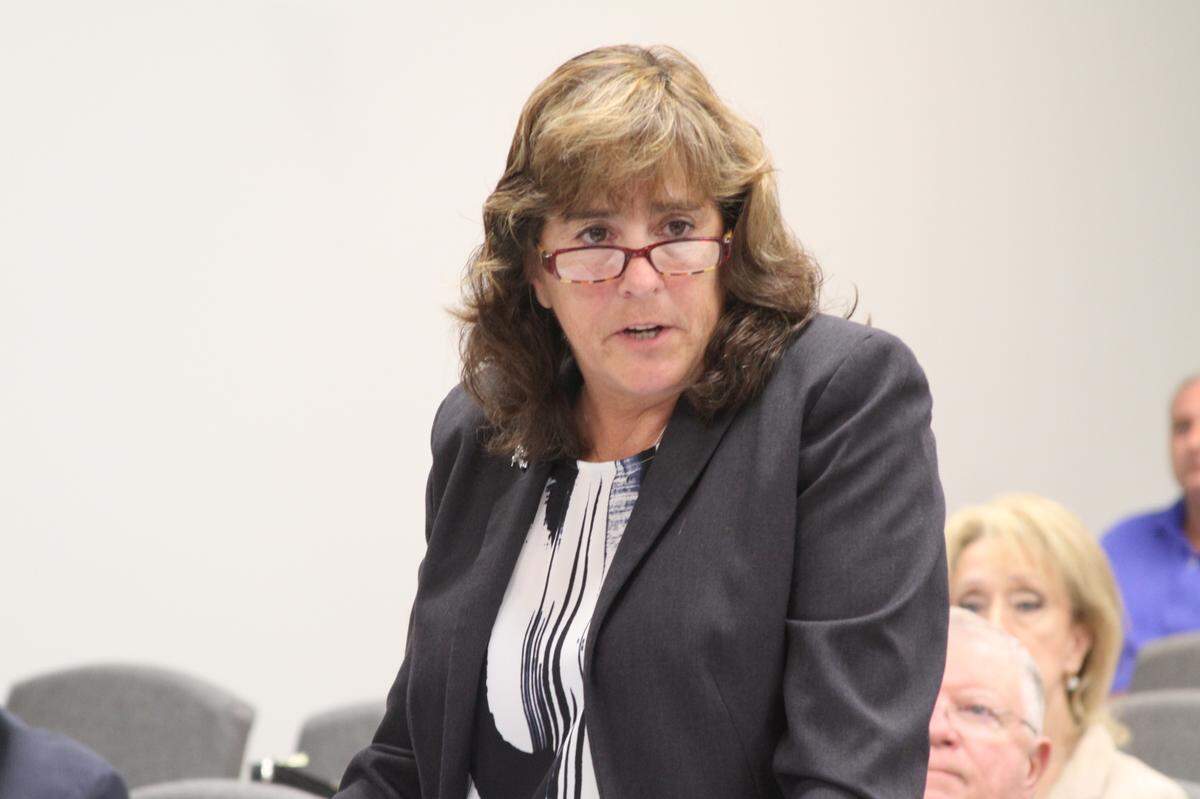
Cliff Johnson, director of the MacArthur Justice Center at the University of Mississippi School of Law, said the real issue in instances like this has more to do with Mississippi’s broken mental health system.
“The question is, ‘What do we want from police?’” Johnson said. “Do we want a system where wellness checks are conducted by police instead of social workers and mental health professionals? I think there is a real role for social workers here. There are places in this country that have crisis intervention teams and those teams are not made up of only law enforcement officers. They include counselors and social workers, and in some instances, psychologists.”
Most people who are dealing with family members with profound mental health issues, he said, don’t know the process for pursuing civil commitments through the Chancery Court system, and as a result, many call police to check on their loved ones in these types of emergencies.
“I don’t know all the specifics of this case, but in general, I don’t think this is about officers shirking responsibilities that have been clearly defined,” Johnson said. “My sense is that dealing with mental health issues in local communities presents a substantial burden to law enforcement and takes officers away from other responsibilities.”
Most residents, he said, don’t know they can reach out to their local mental health centers rather than police officers when their loved ones are having a mental health issue.
“I don’t blame people who call the police first because they have never had such resources in Mississippi,” he said. “This is the issue we are dealing with all over the state. We have people dealing with profound mental health issues, and they have nowhere to go.
“I’m the first to criticize police if they do something wrong. At the same time, we have to reexamine what we want and expect from law enforcement. I think we should ask them to do less, not more.”
The problem, Johnson said, is that Mississippi leaders have failed “to create a robust community-based mental health system in Mississippi.”
“Leaders spent that time focusing on mass incarceration and other punitive measures rather than efforts to deal with the root causes of undesirable behavior,” he said. “We haven’t implemented policies that address mental health addiction and poverty, We’ve been too busy becoming the state that incarcerates more people per capita than anywhere else in the world.”

This story was originally published January 17, 2023 at 8:15 AM.