He believes his dad killed his mom, a beloved Long Beach nurse. Now the case heads to trial.
A Mississippi Court of Appeals ruling has paved the way for a civil trial in a wrongful death case in which the son of Long Beach murder victim Kimberly Jo “Kim” Watts accuses his father of killing her.
A relative found the 48-year-old registered nurse dead in her home on Woodcrest Drive in Long Beach on November 11, 2014. The killer stabbed Watts in the heart and clavicle and strangled her, according to records filed in the case.
No one has been charged in her killing, though the case is still under investigation by the Harrison County Sheriff’s Department.
Gulfport attorney Tim Holleman filed the lawsuit in Harrison County Circuit Court in 2017 on behalf of the couple’s son, Trevor Watts.
Trevor Watts said his intuition and other things, such as fresh scratches on the back of his father’s hands after the murder, his father’s refusal to deny his involvement in the killing, and other information convinced him that his dad, nurse anesthetist, Thomas Dale “Tom” Watts, killed his mother.
When the lawsuit was filed, Tom Watts identified himself as a “person of interest” in the homicide investigation. In pretrial testimony in the civil case, Tom Watts repeatedly invoked his Fifth Amendment right against self-incrimination to avoid answering questions. He did the same during questioning in the murder investigation, the records say.
Special Judge Robert Helfrich dismissed the suit in 2019, saying he found no evidence against Tom Watts in the wrongful death suit other than his refusal to answer any questions about his ex-wife’s death.
The state Court of Appeals reversed the ruling in the civil case in November, finding that Trevor Watts had presented sufficient circumstantial evidence to bring the case to trial. The date has not yet been set.
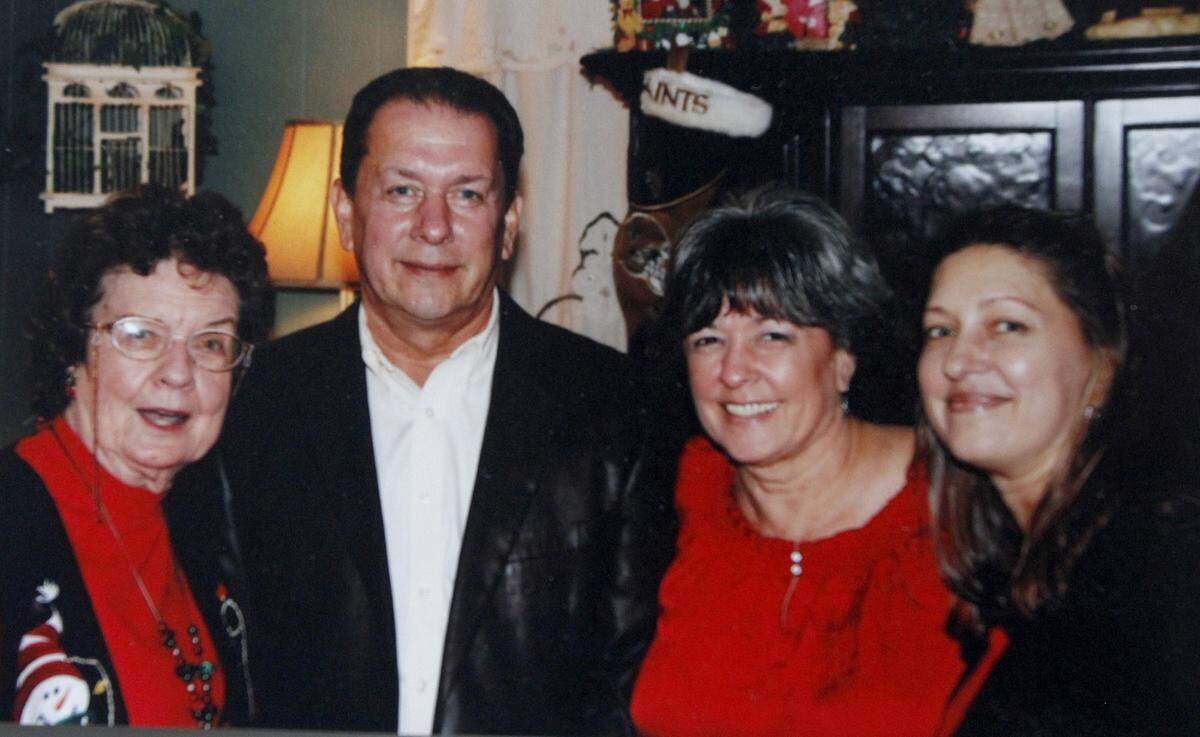
“Trevor is interested in getting at the truth about who murdered his mother,” Holleman said. “If that person can be brought to justice, that is our No. 1 intent. What we would like to see is that person brought to justice. We believe that person is Thomas Watts.”
Holleman said he has no doubt about the father’s alleged involvement.
“I looked him in the eye,” he said. “I have no doubt that this man was either (allegedly) involved in or committed the murder of Kim Watts,” Holleman said. “If he wants to sue me for defamation or slander, I would welcome him to sue me because the truth is a defense, and the filing of a lawsuit would waive his Fifth Amendment right to self-incrimination.”
Tom Watts also identified himself as a “person of interest” in the homicide in a petition to the court to seal the civil case in 2017. He argued the case should be sealed to prevent potential jurors in a criminal matter, should he face charges in the future, from finding out he had repeatedly refused to answer questions in the civil litigation.
Tom Watts only answered questions about where he lived, his professional background and work history during the depositions.
In a criminal case, a defendant can’t be forced to testify against himself and juries are instructed they are not to assume guilt from the defendant’s silence. In civil cases, jurors can draw an adverse inference from the defendant’s refusal to testify.
In his appeal, Holleman argued, in part, that Watts had used his Fifth Amendment privilege “as a sword” instead of a “shield” to prevent him from implicating himself in crime.
In the ruling, the court noted that state law regarding wrongful death lawsuits does not give a defendant, such as Watts or other witnesses, “a blanket right to remain silent in civil cases.”
Long Beach mom feared being killed
The lawsuit revealed other details about the former couple, such as the problems with domestic violence and other issues in the family from the time Trevor was 12. Kim and Tom Watts also went through a contentious divorce.
According to the records, Tom Watts had a history of prescription drug abuse and had twice been to drug rehab during the couple’s marriage.
After the divorce, the records say, Tom Watts fought unsuccessfully for sole custody of their son. A judge later ordered him to pay monthly child support and alimony along with $15,000 in attorney’s fees to Kim Watts.
Tom Watts had tried to get a higher court to reverse the ruling in the divorce case and fought unsuccessfully to get sole custody of the couple’s son.
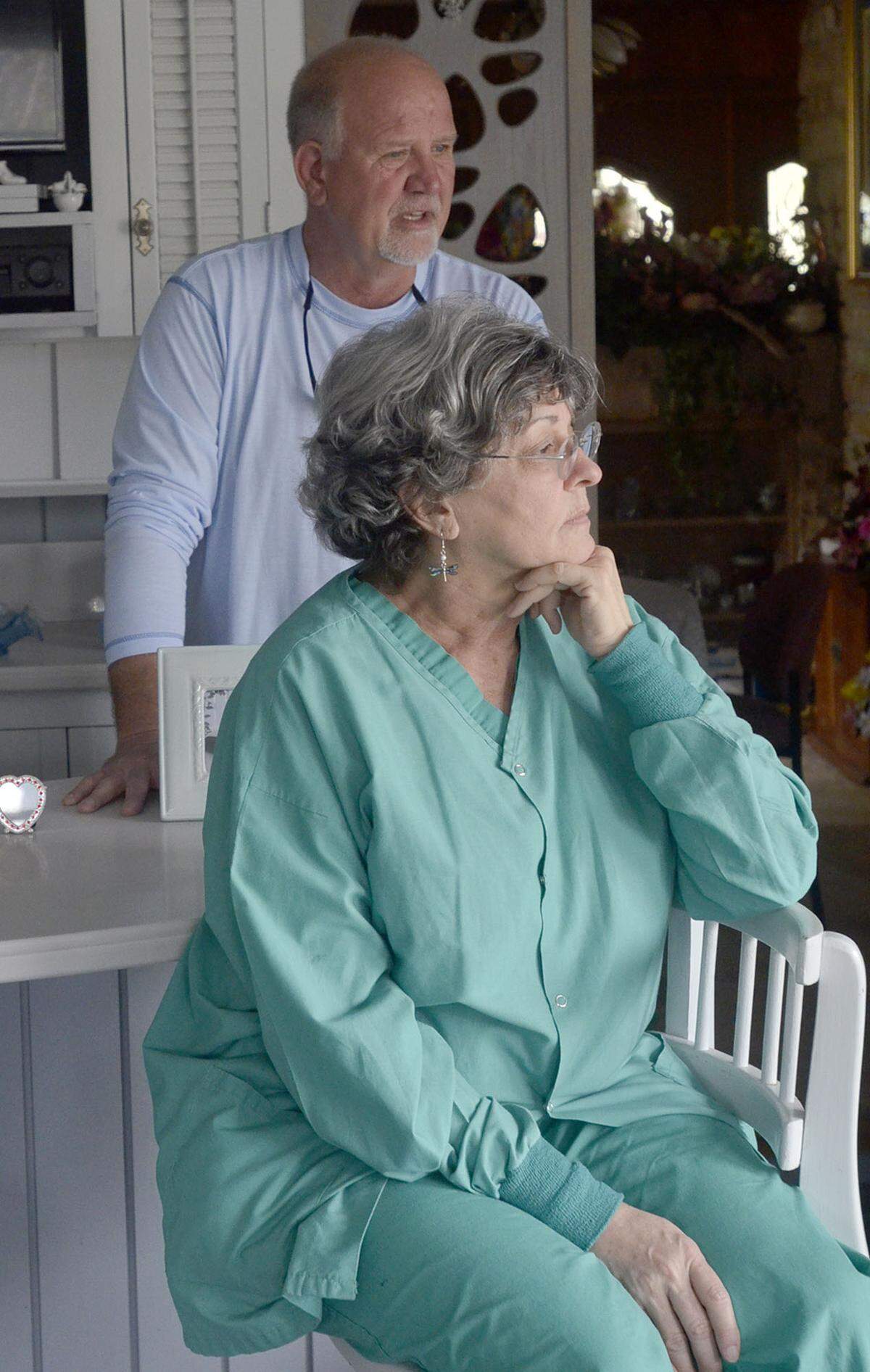
Before her murder, relatives said, Kim Watts confided in a best friend and her sister, Sherry Bass, that she feared her ex-husband would kill her one day.
Long Beach police initially investigated the case but turned it over to the Harrison County Sheriff’s Department after George Bass became mayor in 2017.
George Bass found his sister-in-law dead in her home on November 11, 2014, after his wife asked him to check on her sister.
In his affidavit, Bass said there were no signs of forced entry, and nothing appeared to be missing. He said Kim Watts entered the home through a front door instead of the garage door because someone had shut off the circuit breaker.
He said an attacker had no place to hide if Kim Watts had entered her home through the garage door like she usually did.
Watts still had her purse on her shoulder when she was killed.
After the killing, Trevor Watts, then 18, asked his father if he had killed his mother during a meeting at First Baptist Church in Long Beach.
“He didn’t give a response,” Trevor said. “He just blankly stared in my eyes.”
Trevor went on to describe other questions he asked his father that day.
“’And then, I started to ask him things along the lines of, well, what were you doing during this time?’” Trevor said. “Why he didn’t seem upset....”
“Everything was not a yes, or a no,” Trevor said. “Everything turned into a gray area.”
Domestic disputes and his father’s injuries
In his depositions, Trevor described his parent’s relationship as “strained” and talked about how he had seen his father grab his mother’s hair and grab her by the head the same night his father allegedly “put a hole ...through a wall.”
He also talked about how police had repeatedly responded to their home on multiple occasions while they were married in response to alleged domestic disputes.
After his mother died, Trevor said, his father did not “look upset or distraught” and suggested his mother’s family was to blame for any inference about his father being responsible for the killing.
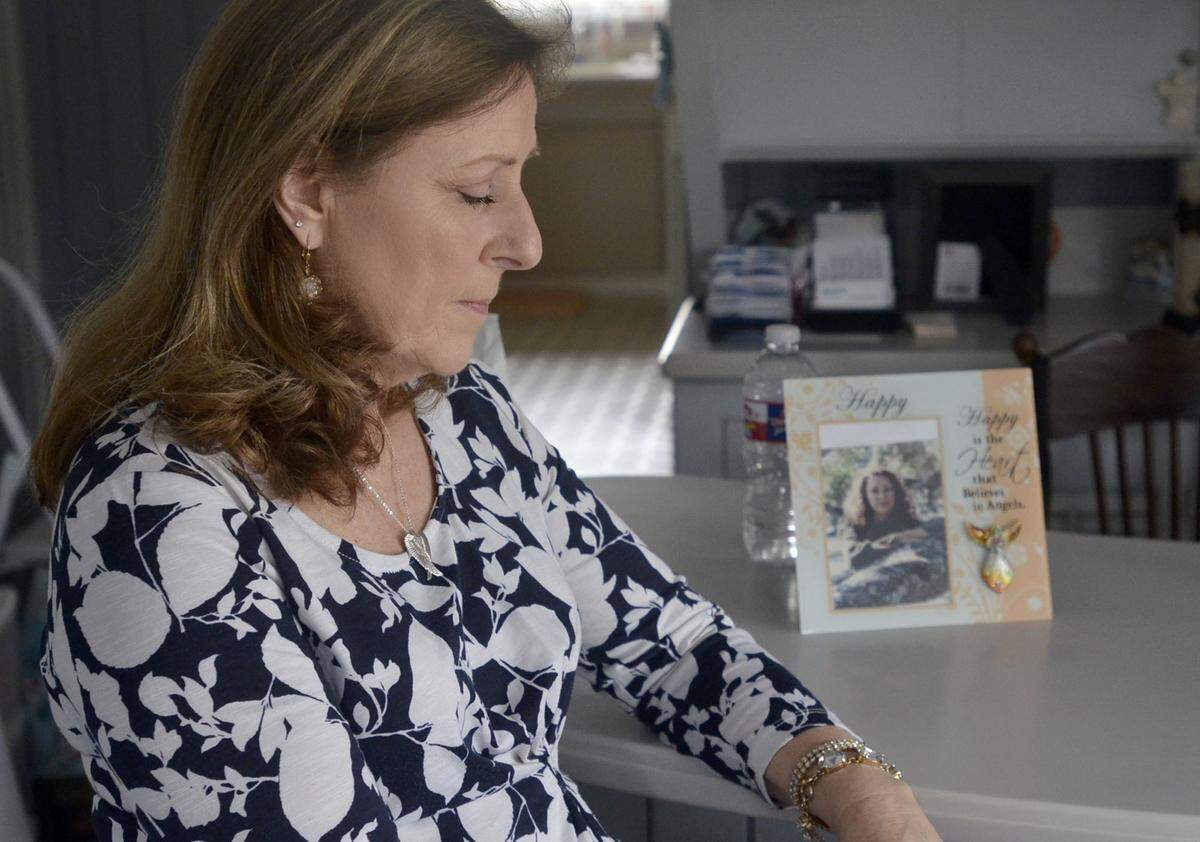
He also noticed fresh wounds on the back of his father’s hand shortly after the killing. Trevor described the injuries as more like “gouges” that would leave “deep scabs” and seemed to him to be more like injuries from someone’s fingernails.
To this day, Trevor said, his father has never said whether he committed the crime.
A lawsuit represents one side of a story.
To report information, call the Harrison County Sheriff’s Department at 228-896-0678 or Mississippi Coast Crimestoppers at 877-787-5898.