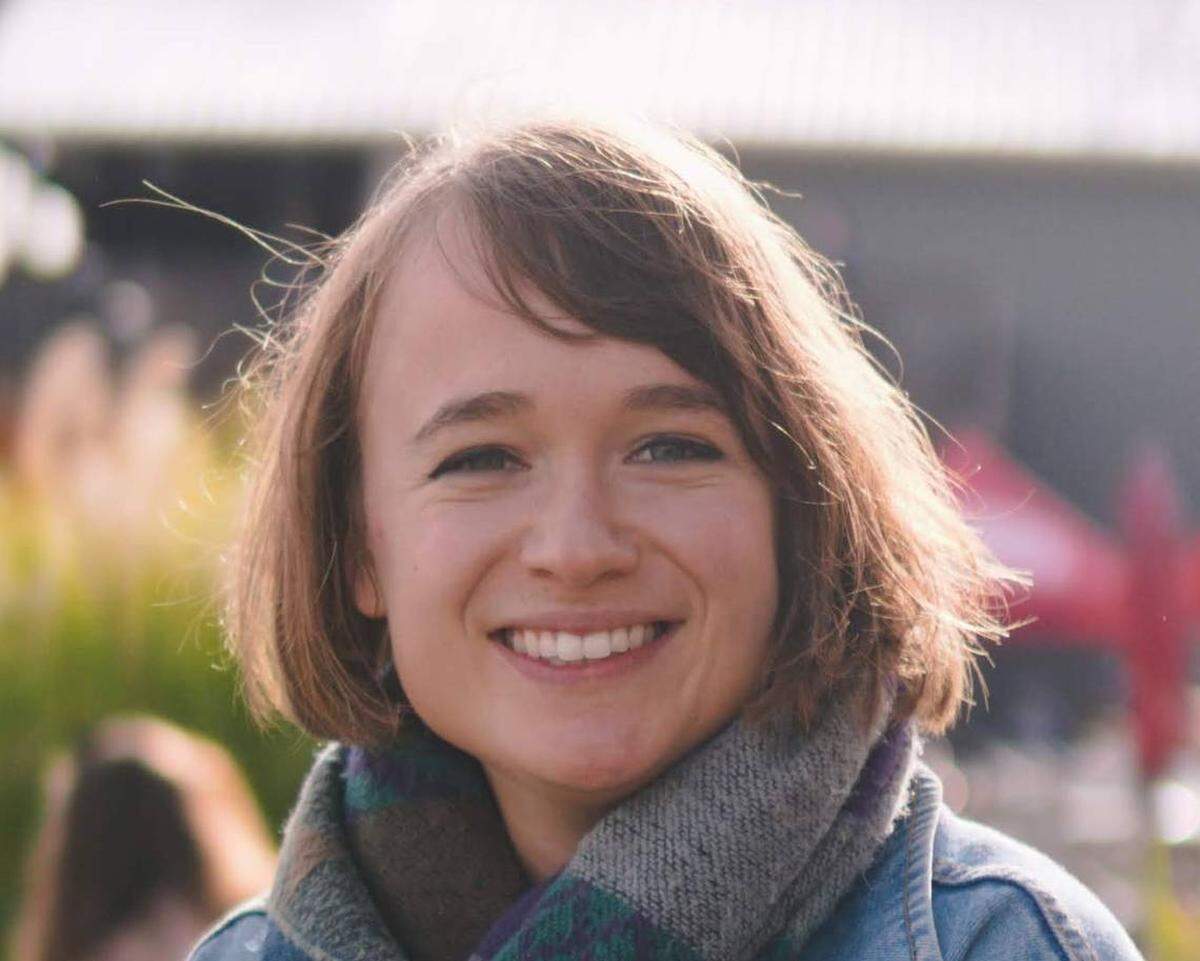
A Coast woman with nearly 1 million TikTok followers became a victim of ‘swatting’ prank
The email threatening violence against Biloxi employees appeared to be sent by a Coast-based TikTok user with nearly 1 million followers.
But when law enforcement arrived at her home on Dec. 20, they quickly found that she had no idea what they were talking about. TikTok user rx0rcist, who uses her account to call out health care workers who are spreading misinformation about COVID-19, had become a victim of “swatting.”
The term refers to a form of harassment in which someone contacts law enforcement to falsely report an ongoing or imminent crime, leading them to storm into someone’s home and even arrest or harm them. It gets its name from the word SWAT, because aggressors hope police will deploy special weapons and tactics (SWAT) teams to respond to the alleged threat.
For TikTok user rx0rcist, whose name is Savannah Sparks, the response wasn’t so drastic. Even so, five officers from two different agencies wound up at her home.
She documented the experience in a two-and-a-half minute video on the app that same day.
“Early this morning evidently someone decided to send an email in my name to every Biloxi city council member detailing my plans of going on a shooting spree today,” she said.
In an email statement, Biloxi police Cpt. Milton Houseman confirmed that two plain-clothes Biloxi investigators, a uniformed Biloxi Patrol sergeant, and two Harrison County sheriff’s deputies went to her address. Harrison County got involved because she lives outside of the Biloxi department’s jurisdiction.
“The person was contacted and denied sending the email,” Houseman said. “The person also provided information about ongoing feuds with several other people via various social media apps. It was immediately apparent that the individual’s information had been used to send the email, which is a common tactic used in ‘swatting’ incidents, and there was no credible threat to anyone.”
Houseman said Biloxi is in the early stages of its investigation of the incident.
Calling out misinformation on TikTok
In an interview with the Sun Herald, Sparks said she and her husband, who is active-duty military, have lived in Biloxi since 2020. She started her account early in the pandemic. Initially it was just a way to fill the hours of lockdown. Then she started seeing more and more misinformation about COVID-19 that seemed not just mistaken, but deliberately false. She got angry.
“My attitude shifted from strictly educational to being a bit more snarky,” she said.
Sparks, a doctor of pharmacy and a lactation consultant, started going viral with videos that exposed scams involving fake COVID-19 vaccine cards. The virality brought national media attention and expanded her platform — something the South Carolina native never expected. But it also exposed her to threats. As the volume of threats and harassment increased in 2021, she told local law enforcement that she was a risk for being a target of a swatting attempt.
Earlier this year, NBC wrote about Sparks using the platform to call out people spreading medical misinformation.
In one video, she fact-checked a pharmacy technician who falsely claimed hormonal birth control causes cancer. Then she contacted the technician’s employer.
In another, she criticized a nurse who posted a TikTok about wanting a fake vaccination card.
Sparks described how that practice had made her a target of trolls and online harassment, including posting photos of her mother’s house on 4chan.
Though she lives in one of the least-vaccinated parts of one of the least-vaccinated states, where false information about COVID-19 and the vaccines is rampant, Sparks deliberately avoids making videos about people in Mississippi for fear of violence against her.
Swatting rare in Mississippi
The video about the swatting incident includes footage of her doorbell security camera, which captured some of her interactions with officers.
“They sent an email out today with your name on it, that you hate the city of Biloxi and minorities,” one officer says, “and that you were gonna go on a shooting spree today.”
“Great, wonderful,” Sparks responds.
“We’re obligated to follow up on that, which is why we’re here,” he continues.
Houseman said the Biloxi Police Department had no records of another swatting incident in the last five years.
At the end of the video, Sparks apologized to the recipients of the email.
“Rest assured that I’m doing everything in my power to hold whoever did this accountable,” she said.
Sparks said she believes the law enforcement response would have been far stronger if she hadn’t previously told them she was a swatting risk.
She also wrote in a comment on the video that she likely have been treated worse by police if she were a person of color instead of a white woman.
“The comment alone pissed so many people off,” she said. “‘You being white has nothing to do with it.’ It absolutely does. And that’s the entire reason that I am so loud about my platform, because as an advocate for marginalized communities, I am willing to sacrifice my privacy and at times my safety to help the communities that don’t have the same opportunities I have to be able to walk away unscathed form a swatting incident.”
There is no specific federal law against swatting, but it can be prosecuted through related charges like making false reports to emergency services.
In a swatting incident that led to the death of Andrew Finch in Wichita, Kansas, defendant Tyler Barriss faced the possibility of life in prison and a $250,000 fine. He ultimately took a plea agreement and was sentenced to 20 years in prison.
Lesser charges like making a threat in interstate communication and conspiracy to make a false report carry penalties of up to five years in prison and fines of up to $250,000.
This story was originally published January 13, 2022 at 8:00 AM.