Pardoned killer told never to return to Jackson County. He’s back – and it’s legal.
A Pascagoula prosecutor walked into City Court in October and saw a convicted killer he never thought he’d see again in a South Mississippi courtroom.
“I knew who he was the minute I heard his name,” said prosecuting attorney Dustin Thomas. “I thought he wasn’t supposed to be in Jackson County.”
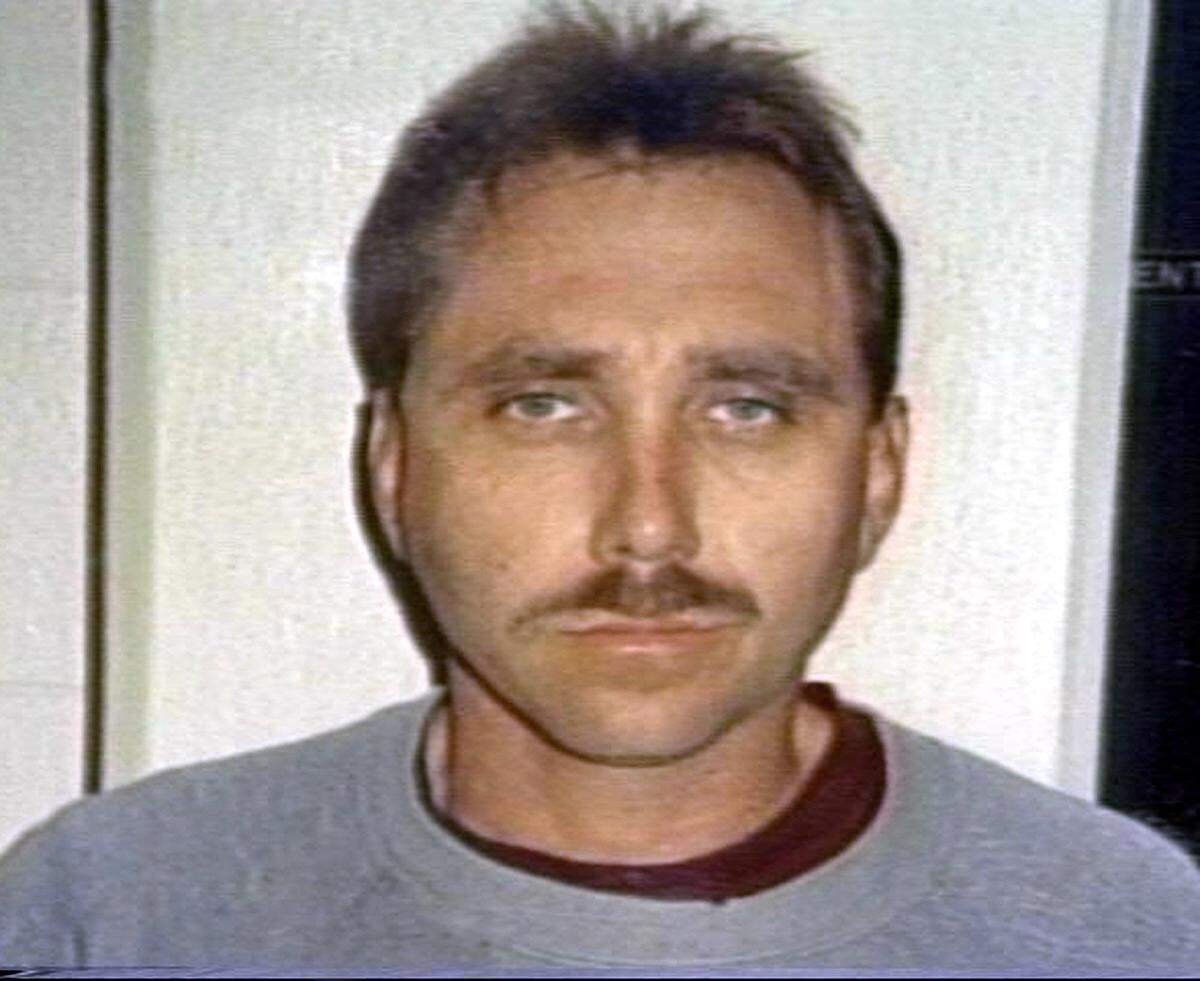
Michael David Graham, now 66, was in court in October to fight a misdemeanor violation for obstructing traffic in the same city where 30 years earlier he had blocked traffic at a busy Pascagoula intersection while he shot and killed his ex-wife, Adrienne Klasky Graham.
Michael Graham, then 35, pulled his pickup truck beside the 33-year-old Klasky while she was stopped at a traffic light in her car on April 7, 1989.
Klasky died the minute the buckshot from Graham’s 12-gauge shotgun hit her head. He was arrested 15 minutes later.
She was the mother of his two children and had divorced him 3 1/2 years earlier. Just two days before she died, Klasky had signed papers to have him arrested for threatening to kill her.
A jury later convicted Graham of murder and sentenced him to life in prison.
But now, the Pascagoula native is a free man with the same rights as anyone who has never been convicted of a felony crime.
In 2008, former Gov. Haley Barbour granted Graham, then a trustee at the governor’s mansion, an indefinite suspension of his sentence, and he was released from prison. The only catch to his indefinite suspension was that he had to stay out of Pascagoula and Jackson County.
When Thomas saw Graham in Pascagoula City Court, he thought maybe there was action that could be taken against the pardoned convict for returning to Jackson County.
But after a call to the Mississippi Department of Corrections, he learned there’s nothing that can be done because Barbour in 2012 had granted Graham a full pardon with no restrictions.
From that moment on, Graham regained the right to vote, carry a weapon and live anywhere he wanted.
“I couldn’t believe it,” Thomas said. “It makes me angry, honestly. I knew the (Klasky) family was not happy when he was released and I knew they wouldn’t be happy if he was here. I mean, nothing like this just happened in broad daylight on the streets of Pascagoula. It just burns in your memory. Now, he’s free to do whatever he wants.”
A new charge
Around 12:20 p.m. on Sunday, July 14, Pascagoula Police Officer John Lynd spotted Graham stopped in traffic in a white pickup truck on Veterans Street near U.S. 90.
Lynd, according to video and audio footage from his body camera, saw Graham talking to a woman the officer recognized as a known prostitute and suspected Graham was trying to pick her up.
When Lynd pulled up to Graham, he asked him what he was doing.
“Who is that girl down there?” the officer asked. “Why were you trying to pick her up?”
Graham denied trying to pick anyone up though Lynd said he had seen otherwise.
After the stop, Lynd asked Graham if he had ever been in trouble.
“I don’t know, it depends,” Graham said.
“Have you ever been arrested, (or been) in trouble with the law?” Lynd asked.
Yes, Graham said, for murder.
“Did you do your time or what?” Lynd said.
“I did my time,” Graham said.
When the officer went to search Graham, he told Lynd he had a pocket knife in his pants pocket.
Afterward, Lynd pressed Graham to be truthful about what he had been stopped for. But in the end, he cited Graham for obstructing traffic and let him go.
“Well, since my eyes have deceived me, Mr. Graham,” Lynd said, “and you (weren’t) trying to pick her up, then I guess I just saw you stopped in the middle of the road for no reason obstructing traffic.”
Though he tried to fight the charge, City Judge Michael Fondren found Graham guilty in November and fined him $235.
The Sun Herald went to Graham’s home in Pascagoula in an attempt to interview him, but he wasn’t there. In addition, Graham could not be reached by phone despite repeated attempts.
‘It destroyed my family’
For Klasky’s niece, Nancy Powell, Graham’s initial release from prison and his subsequent pardon “is a slap in the face” to her family and friends.
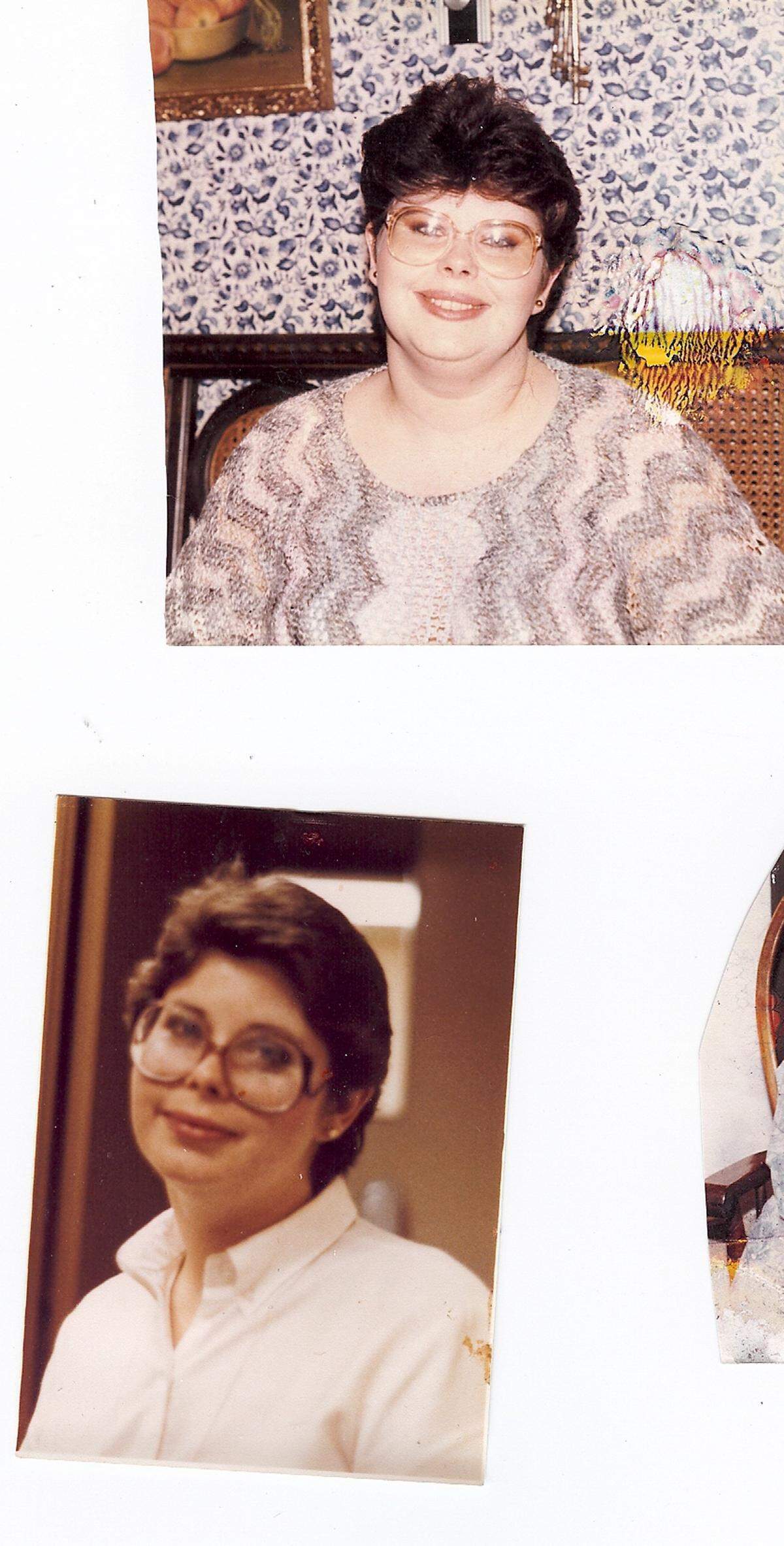
“It destroyed our family,” she said. “Our lives changed overnight. It’s just sad. It’s sickening and sad because she didn’t deserve what happened to her and for him to be able to be out and do what he wants to do is not right. I mean, how does somebody get out of that?
Powell stops for a minute, and tears start to flow as she remembers the fun-loving aunt she still misses. She said she’ll never understand why the man who gunned down her aunt in broad daylight in a city street after years of harassing her could get out prison.
“Why does somebody get out of that?” she said. “Now he lives 20, 25 miles from me.”
The daughter of prominent businessman, Lyle Klasky, Adrienne Klasky and her two sons had been living with her parents at the time of her death because of Graham’s harassment and threats. For a while, Adrienne and her ex-husband even met at a police station to exchange their kids.
“She knew he was going to kill her, she just didn’t know when,” Powell said through tears as she recounted how Adrienne’s mother “died 10 months later after she pretty much grieved herself to death.”
To hear Graham had run into some trouble again didn’t surprise Powell.
“You know, I promised my Maw Maw and Paw Paw that I would do everything I could to keep him in prison,” Powell said. “I went to the parole board three times. Then Haley Barbour comes in and pardons him. It’s not right. It never will be.”
‘A trusty’ at the mansion
While serving his life sentence, Graham lived and worked on the grounds of the Governor’s Mansion in downtown Jackson for four years. Barbour described him as “very, very quiet” and a diligent worker.
“I saw him every day,” Barbour said at the time. “I haven’t heard him say 20 words in four years.”
When Graham was first released on a suspended sentence, Barbour said what he did for Graham was the equivalent of parole and that he would report regularly to an officer.
“And if he does alright, he’s got a job and he’s not coming to the Coast, if he takes advantage of the second chance,” Barbour said, “then at some point, I’ll pardon him. If he gets out and doesn’t do as well as he’s done all these years, then I can revoke the suspension.
“I expect him to continue to have an unblemished record,” he said. “Let’s see how he does outside.”
After public outrage over Graham’s release, Barbour explained that (such) murderers are historically chosen as mansion trusties because their offenses were crimes of passion.
“Experts say they are the least likely to commit another crime and are the most likely to serve well,” Barbour said then.
Mississippi governors can pardon convicts, and their decisions are final and not subject to court challenge. Governors can also commute sentences and, if they choose, specify conditions under which such commutations can be revoked.
Barbour, reached Thursday by phone, said he wasn’t familiar with the Graham the Sun Herald called to ask him about but he did offer comments.
“But the point of all this is, I’m totally unaware of this person being convicted of a traffic violation,” he said. “I’m not aware and I’ve not been aware of when people who are pardoned get traffic violations.”
He added that 99% of the people he pardoned have had “a very clean, crime-free life.”
“I have said many times there was 60,000 people eligible theoretically to be pardoned, and I pardoned — probably, all told — 250,” he said Thursday. “The truth is there were many more. If they had applied for a pardon through the parole board, they would have been pardoned.”
In fact, he said, “27,000 of them had served their time and were no longer incarcerated.”
“Some of them had been living in society for decades and, you know, the overwhelming majority of them have never had any trouble with the law.”
When Phil Bryant became governor, he immediately halted the practice of trusties spending the night on the grounds of the Governor’s Mansion. He also ended the use of violent offenders as mansion trusties.
After initial outrage over the pardon, Coast legislators in 2009 wrote bills to change how pardons are handled, requiring either a public hearing or notice to the local district attorney, but the bills did not pass.
Thomas would like to see the laws strengthened regarding a governor’s ability to pardon someone, or at least have some of type of mandatory notification system in place that would inform the public when a convicted murderer returns to the town where the crime was committed.
“I think most people, by and large, believe when you get a life sentence, then that’s what it is,” Thomas said. “You know, this was a big deal. It shook this community.”
Though Graham was sentenced to life in prison, he got out after 19 years behind bars.
‘He’s just a regular citizen’
Pascagoula Police Chief Matt Chapman said now that Graham’s been pardoned for his crime of murder, “he is going to be treated like anyone else.”
“If he is violating or breaking the law, he will have to deal with somebody with the Pascagoula Police Department,” Chapman said. “If he isn’t, if he’s a model citizen, then he has no problem with me.”
Chapman said he doesn’t think anyone should be concerned.
“We are out there watching things 24/7,” he said. “If he gets in trouble, he gets in trouble. If he doesn’t, he is not going to have us to contend with.”
For Thomas and Powell, it’s still hard to fathom that Graham is free and walking the streets in the city where memories of Klasky’s death still resonate.
“I think a lot of people understood that he wouldn’t be back here,” Thomas said. “Some people know. I think a lot of people don’t know but I think they should.”
In her memory
In 2011, a domestic shelter opened in Jackson County that was named Adrienne’s House in honor and memory of the woman who lost her life to her abuser.
The shelter’s 7th annual fundraiser, Rock the Cause 5K, is set for 7-11 a.m. April 4 at Pascagoula Beach Park.
For more information, go to www.facebook.com/adrienneshouse2011