Fight for equal justice brings Ben Crump, national spotlight to South Mississippi
AI-generated summary reviewed by our newsroom.
- Ben Crump represents Black families in high-profile wrongful-death and civil rights cases.
- Crump won a $27 million settlement for George Floyd’s family and secured convictions.
- Crump is independently investigating Nolan Wells’ death while publicizing it.
The scene is all too familiar.
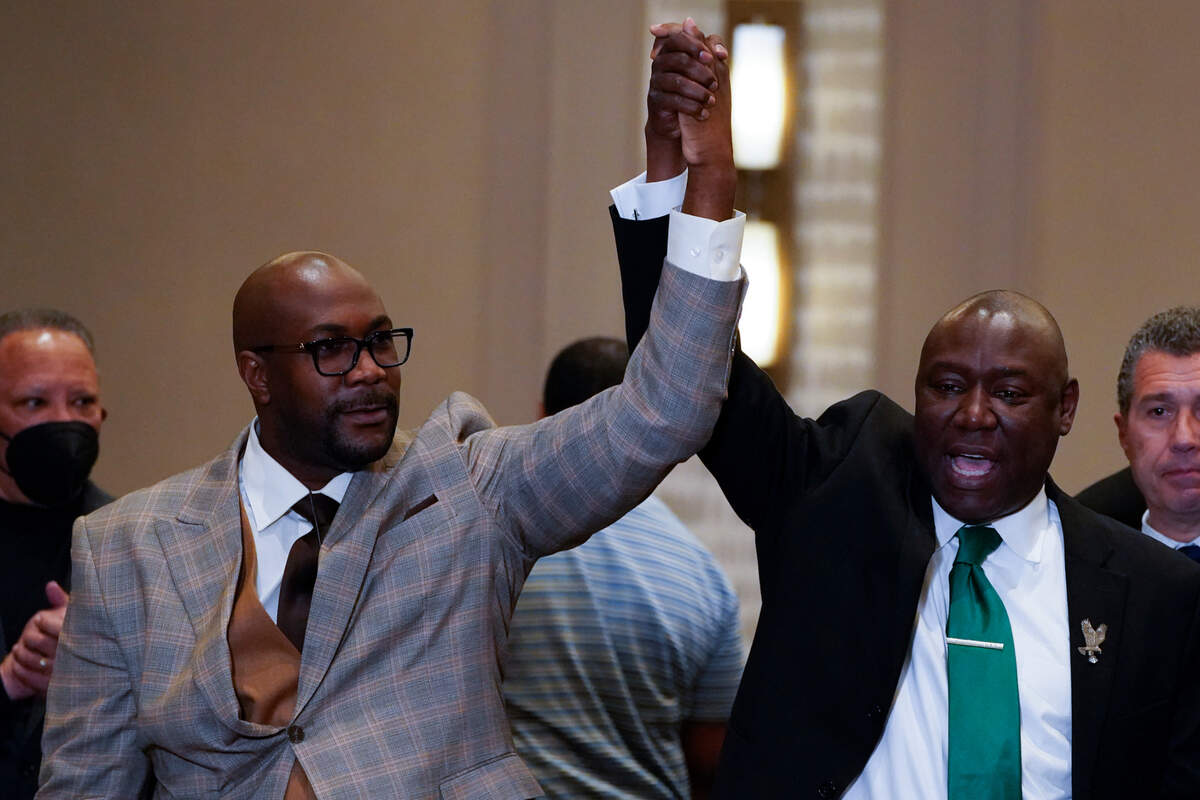
Attorney Ben Crump stands before a microphone with grieving relatives of a Black person who died violently. A relative follows him to the microphone, often in tears.
He reaches out a hand to console them, their bond forged through the crucible of grief fueled by injustice.
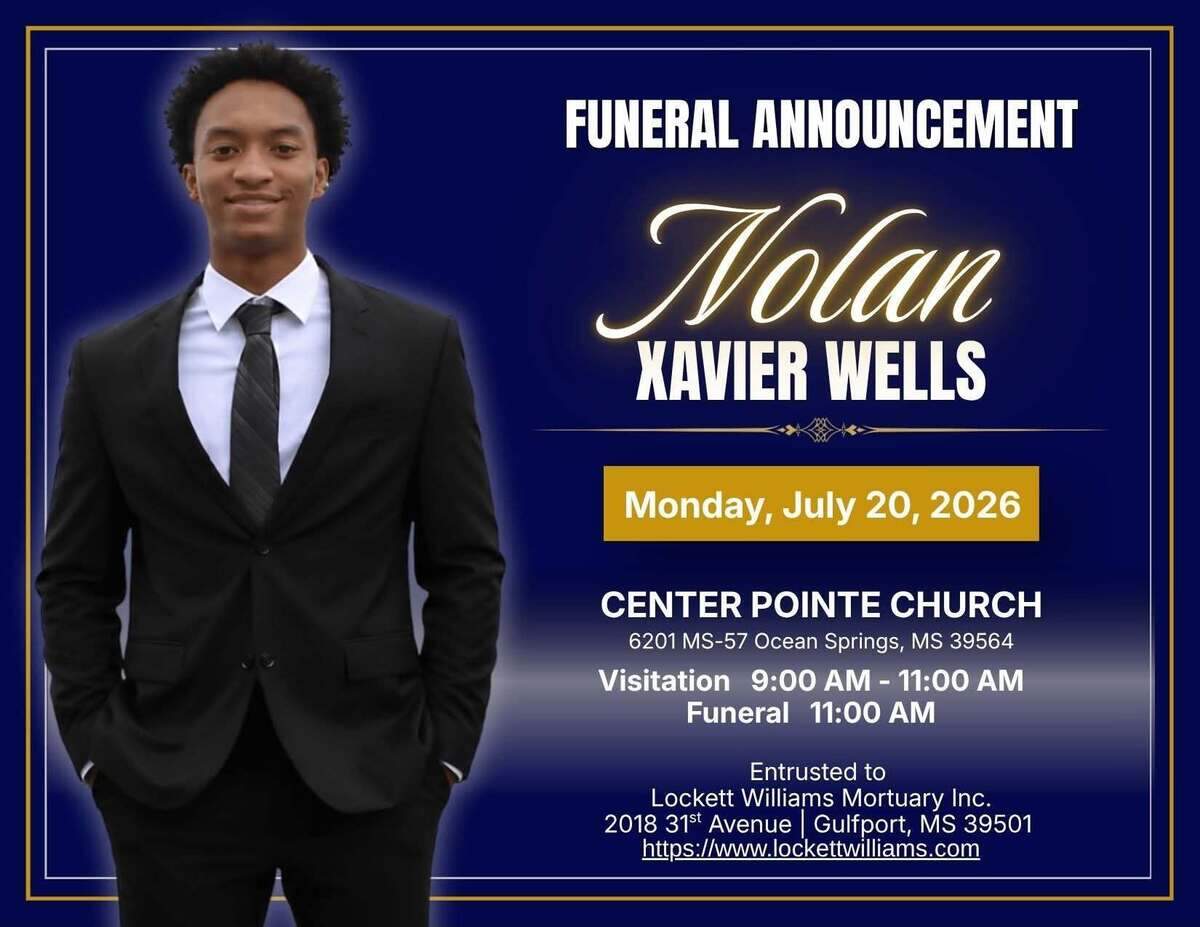
Today, South Mississippi serves as the backdrop. Crump is guiding the Ocean Springs family of 18-year-old Nolan Wells through investigations into his death as they prepare to bury the popular Black community college student and football player.
Crump measures his words carefully. He will reach a diverse audience whose white members have never experienced the racism all too familiar to him and his Black clients.
Crump wants the public on his side. He wants them to know who died and why their life mattered, according to a Netflix documentary, Civil, released in 2022.
The documentary focuses on Black people killed by white assailants, often police officers, and the civil lawsuits Crump subsequently initiated with millions at stake.
“I want to make it financially unsustainable for them to continue to kill Black people unjustly,” he said in the documentary.
Ben Crump’s passion
Crump means police officers when he refers to “them,“ but his cases don’t always involve death at the hands of law enforcement.
He’s also represented Black families harmed by pollution, minority farmers who have faced discrimination, and like most trial attorneys, he handles bread-and-butter personal injury cases.
His passion, though, is representing Black families whose loved ones lost their lives because of racism. He wants to balance the scales of justice.
He told broadcast journalist Ted Koppel: “I’m an unapologetic defender of Black life, Black liberty and Black humanity, and that’s why I am proud to call myself a civil rights lawyer who believes that it’s about these romantic notions of liberty and justice for all.”
Crump spent his early years in a Lumberton, North Carolina., housing project, the son of a single mother who worked double shifts at a factory and as a hotel housekeeper, a 2015 Florida Bar profile said when he was sworn in as president of the National Bar Association. Schools were segregated during his early elementary school years, Crump profiles have noted.
He wondered, the Florida Bar profile said, “Why do people on that side of the tracks have it so much better than people on our side of the tracks?”
Crump’s grandmother, who raised a slew of children, told Crump the family’s future rested with him, he said in the Netflix documentary. His family relocated to Florida when he was in middle school. He earned a law degree from Florida State University and is a proud, lifetime member of Omega Psi Phi Fraternity.
He lives in Tallahassee with his wife, education advocate and consultant Genae Angelique Crump, and daughter Brooklyn Zeta Crump.
‘Go-to attorney for racial justice’
America is all too aware of the big cases Crump has handled.
A white neighborhood watch captain named George Zimmerman shot and killed Black 17-year-old Trayvon Martin in 2012 in Florida. Zimmerman said it was self-defense. Martin was carrying a bag of Skittles and iced tea that he had just bought at a convenience store. Crump often reminds people that Martin was a child.
Zimmerman was eventually acquitted of second-degree murder, but not before the homeowner’s association paid a confidential settlement in the wrongful-death lawsuit that Crump handled for Martin’s parents.
“It became very personal to me,” Crump said in the documentary. “It is something that I don’t believe I will ever get over.”
The Martin case, Crump has said, prepared him to represent the family of George Floyd, a black man killed by police in 2020 after he bought cigarettes with a counterfeit $20 bill. Floyd went limp on the pavement as a Minneapolis police officer dug his knee into Floyd’s neck for more than eight minutes.
His protests of “I can’t breathe” were printed on T-shirts that Crump and supporters wore to protest the death. Crump won a historic settlement of $27 million for Floyd’s family and saw the convictions of the officers involved.
“America finally lived up to its promise of equal justice under the law,” Crump said after the verdicts.
During that same time, he also represented the families of Breonna Taylor, killed while police served a no-knock warrant not intended for her, and Ahmaud Arbery, chased and shot dead while jogging, with three white men convicted in the case.
A headline in the Washington Post called him “the go-to attorney for racial justice.”
Ceaseless quest for justice
Civil rights activist Al Sharpton likes to introduce Crump as “America’s Black attorney general.”
Sharpton and Crump have fought side by side for civil rights. Sharpton will deliver the eulogy on Monday at Nolan Wells’ funeral.
Nobody knows how Wells died. Crump is conducting an independent investigation while the Jackson County Sheriff’s Office handles the official probe. Crump is following his playbook of keeping the case in the public eye.
He tells families, as portrayed by Netflix, “If you want justice, you’ve gotta expose your heart.”
Wells’ parents have done that, appearing at news conferences with Crump. They’ve described their son as a peacemaker, a superior athlete honing his skills as a wide receiver at Southwest Mississippi Community College in Summit after playing with the Ocean Springs High Greyhounds.
Wells was with friends from Ocean Springs High on July Fourth at Horn Island, a Black teen in a sea of white faces. His body washed up on the shoreline two mornings later. His parents, Christine and Elmore Wonsley, want to do all they can to find the truth. They want to know why their son is gone.
Theories about Wells’ death simmered and boiled over on social media. Rumors, speculation and outright lies about the case abound. Crump has reposted on Instagram, where he has one million followers, an inflammatory video and photo that later proved to be false portrayals of what might have happened to Wells.
Crump says he wasn’t endorsing those images, but simply reposting them. The Sun Herald asked Crump at a news conference in Jackson County whether he is concerned about death threats that have followed some of these false images and efforts to debunk them.
“Even though we may have different viewpoints,” Crump said, “we can all agree that everybody wants the truth, and nobody’s life should be threatened for seeking the truth.”
Crump, too, has been threatened with death for his work. But he keeps going. He left Jackson County for yet another case, and he’ll be back Monday for the funeral. His quest — and phone calls from grieving families — seems endless.
He was not available for an interview with the Sun Herald, but he told the Netflix documentarians:
“I have the recurring nightmare that I’m running out of time. It becomes agonizing. What can I do to stop the next mother or father from being heartbroken?”