House relocated in prized South MS neighborhood must be moved again, court says
AI-generated summary reviewed by our newsroom.
- Owner relocated a house without the required permit or site survey.
- Chancery Court ordered the house moved for violating Ocean Springs code.
- Appeals court upheld the ruling; owner plans to go to the Planning Commission.
A longtime Ocean Springs resident moved a second house onto his property in a prized neighborhood that adjoins downtown.
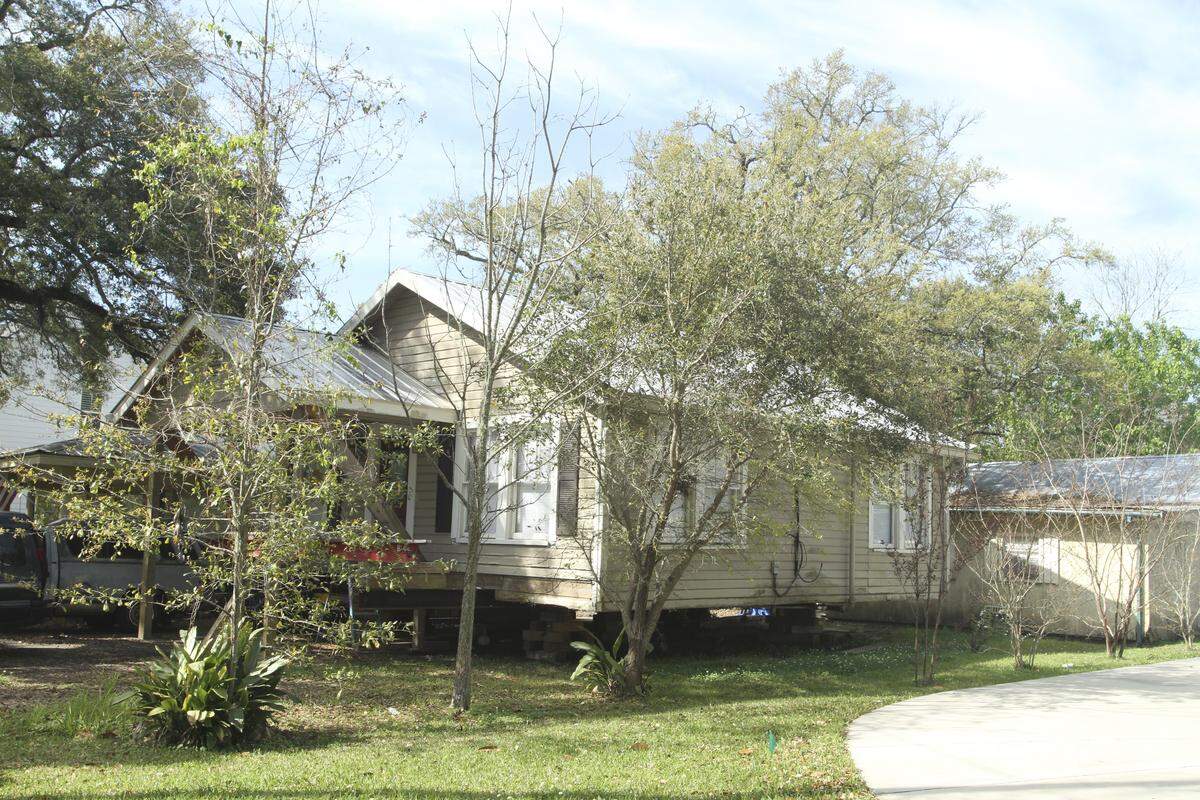
The house has been sitting on blocks for two years on Ward Avenue — just a stone’s throw from bustling shops and restaurants on Government Street — while the city and owner Mark J. Garriga dueled in court over whether it could stay.
Garriga has lost two rounds, in Jackson County Chancery Court and now in the Mississippi Court of Appeals. But he’s determined to win the third round. He said that he’s been working with the city on a solution that he is not yet prepared to discuss. His next stop, he said, is the Planning Commission.
“I really expect a happy ending,” Garriga told the Sun Herald.

Ocean Springs wants land survey
Garriga said he was a teenager when his family moved into the neighborhood more than 30 years ago. The neighborhood includes a mixture of modest older homes and larger new houses in architectural styles that blend with the area’s historic character.
In 2002, his mom moved a house onto her nearby property at Porter and Ward avenues.
“I’m just trying to carry on a family tradition,” Garriga said.

The house Garriga moved sat around the corner on Porter. It had to be moved or torn down to make way for a new house.
Garriga applied for a permit to move the house in late January 2024, but the city denied the request a day later, according to a sworn statement that Building Official Darrell Stringfellow submitted in the Chancery Court case. A Planning Department email included “a list of reasons the permit was being denied, including that the main house and two accessory structures could not co-exist and there was no room for parking,” Stringfellow’s statement said.
Garriga pushed to move the house before it was torn down. Stringfellow said on a Friday evening in early February 2024 that Garriga could move the house over the weekend, but had to bring in required plans the following Monday.
The house wound up on an empty lot across the street from Garriga’s property because of overhead power lines. The house mover finally submitted a site plan at month’s end, but it raised more questions. The city wanted a licensed surveyor’s site plan before issuing a permit for the house.
Appeals court upholds Coast judge’s ruling
In early March 2024, Garriga had the house moved to his lot without the requested site plan or permit, according to court records. The house sits on blocks in front of what the city calls a garage. The primary residence, a yellow brick on a slab, sits beside the house on blocks.
In late March 2024, the city filed its lawsuit. The relocated house violates the city unified code prohibiting a detached accessory dwelling on a lot with a detached garage, the lawsuit says. The second house and garage also exceed 40% of the principal home’s area, another limit set by code.
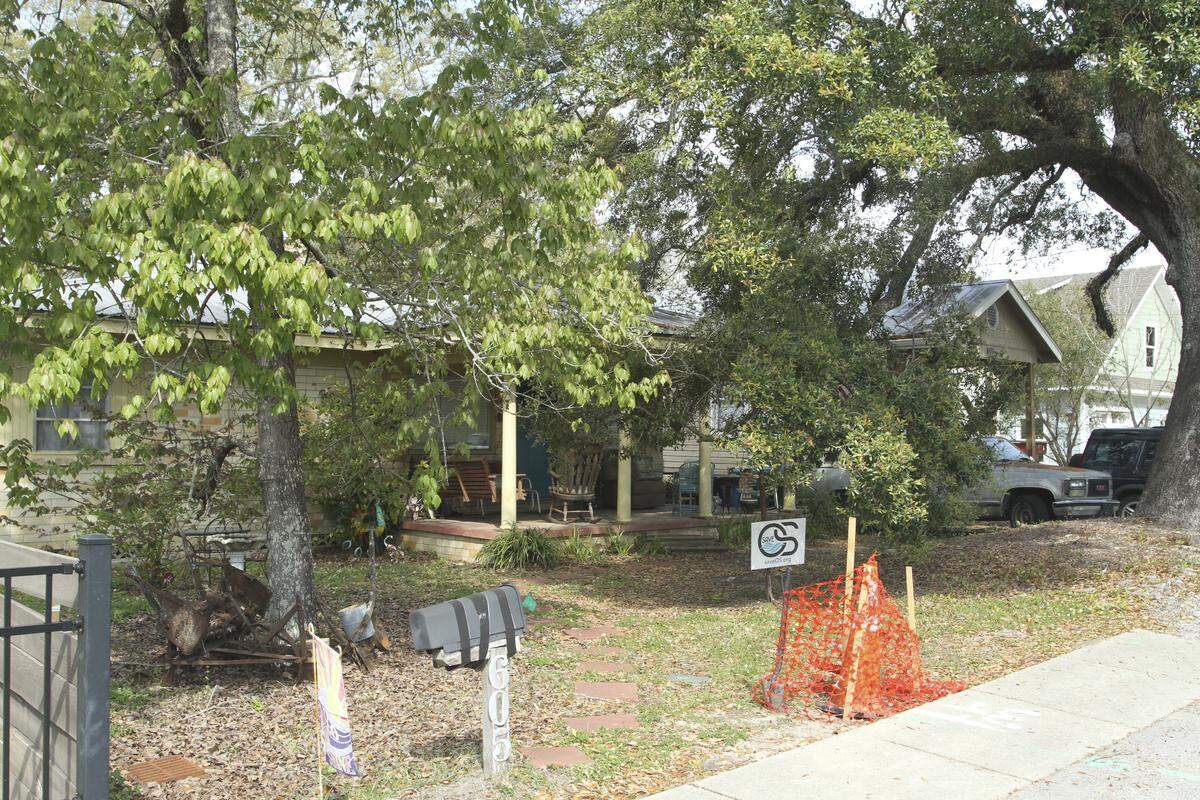
Chancery Judge Maples ruled in May 2024 that the house had to be moved off the property within 45 days. The state appeals court said Garriga raised no issues that would warrant overturning the judge’s ruling.
Garriga maintained in Chancery Court that he could “get a variance” for the house, the appeals opinion noted.
“However, when the chancellor asked the city’s attorney whether there was any circumstance ‘under which a variance could be granted,’ counsel responded, ‘To answer your question directly and emphatically, no.’ ”