Invasive ant species linked to near-fatal reactions has arrived in South MS
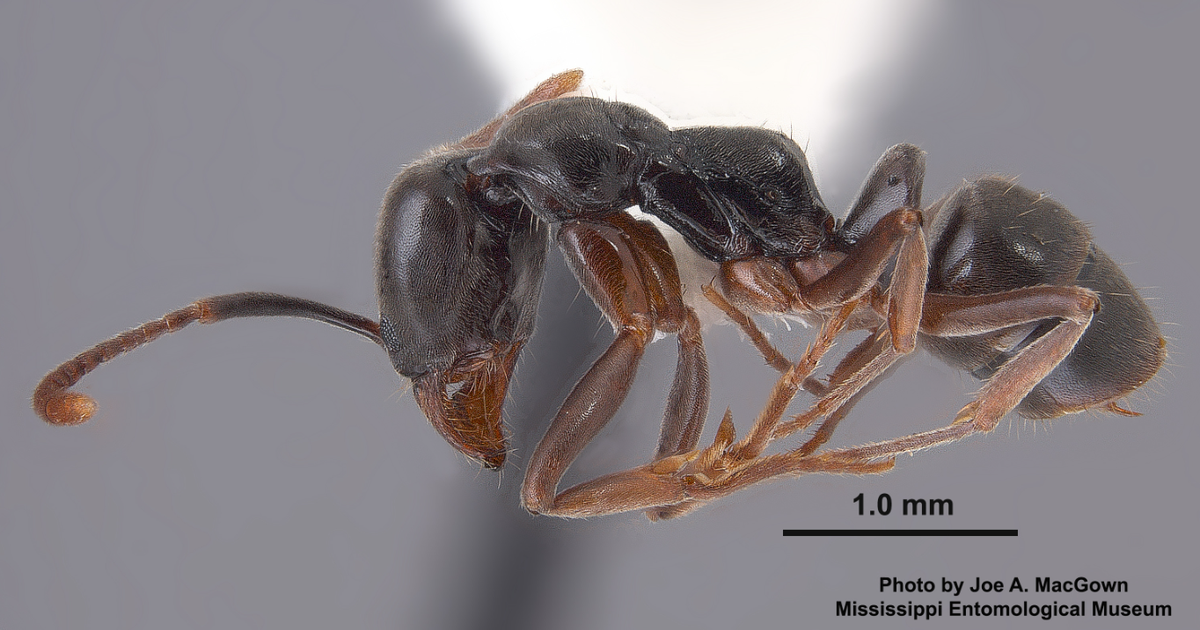
A stinging ant, capable of triggering potentially fatal allergic reactions, has been spotted in eight Mississippi locations, including a confirmed sighting in Jackson County.
Mississippi State University entomologists are monitoring the spread of the invasive Asian needle ant. There is an established colony in Columbus and confirmed sightings in seven other places.
According to Mississippi Entomological Museum Director JoVonn Hill, the ant was first detected by researchers in Decatur, Georgia, in 1932.
“It wasn’t a bad pest until probably the last 15 to 20 years, and it has just become really abundant and has been spreading,” Hill said.
Researchers are still unclear as to why the ant species began to spread so rapidly in the late 1990s.
“At this point we do know that, in other cases of invasion, local adaptations can occur, making the species more prolific to the particular environment,” Hong Kong University ecologist Benoit Guénard said.
Venom poses health risk
For many, the ant’s venom is as painful as a wasp or honey bee sting. For those that suffer from anaphylaxis, it can be near-fatal.
Anaphylaxis is a life-threatening allergic reaction caused by exposure to an allergen that can result in swelling, difficulty breathing and fainting.
Atlanta resident Susan Simon was stung by the ant for the third time on Sunday. Her reaction was so severe she was admitted to an intensive care unit until Monday morning.
“My eyes were almost swollen shut within five minutes, and I wasn’t breathing very well. ... It just spiraled from there,” Simon said.
Joe MacGown, a curator at the Mississippi Entomological Museum, has been stung by the ant three times. Despite no history of anaphylaxis, MacGown suffered a mild allergic reaction.
“I felt feverish and a little dizzy. I was sweating, and I had to go sit down for about 30 minutes,” MacGown said.
Daniel Suiter, an Orkin entomologist at the University of Georgia, said he believes people may have suffered from anaphylaxis without knowing it was caused by the ant’s venom.
“Last year, I received three calls from people who had been stung by the ant and wound up in the hospital,” Suiter said.
Like most ant species, Asian needle ants only sting when they feel threatened.
“If you end up carrying wood with a nest in it, they can start stinging you or crawling on you,” Guénard said. “When they insert the stinger, it really feels like somebody is injecting a needle into your skin.”
Spread expected to increase
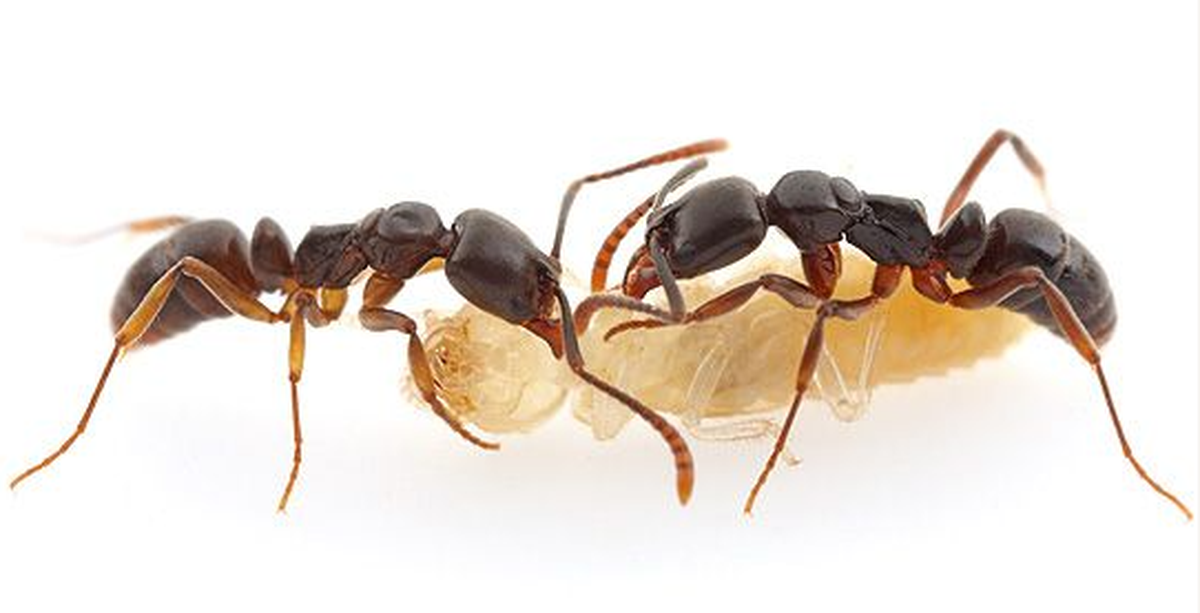
States with an abundance of pine or hardwood trees, such as Mississippi, are particularly enticing for the ants, said Suiter.
“Their favorite places are under rotting bark or patio stones,” Suiter said.
Suiter recommends storing chopped wood in dry, lifted spaces to prevent infestations. Common ant baits, he said, can also ensure your property is free of these invasive ants.
Beyond human risk, the ant poses an ecological threat to native ant populations and seed dispersal, researchers say.
“They have quite a diverse diet. ... In the U.S., it seems like they are just eating anything. They can eat termites and other insects, including other ants,” Guénard said.
MacGown says Mississippi residents can expect to see these ants more regularly in the coming years, both on the ground and in the sky.
“The queens that reproduce are larger and before they mate, they fly. In summer when they get established, you might see a big swarm,” MacGown said.
Jose Santos Portugal, an assistant extension professor of urban entomology at MSU, said awareness is key as researchers continue to monitor the spread of this ant across the country.
“Getting confirmation helps us better understand if, and where, this is in our state. Then we can start developing mitigation programs or working with the professional pest management industry,” Santos Portugal said.
If you suspect you’ve found an Asian needle ant, send a sample to the MSU Extension Identification Lab to help researchers better understand its presence in Mississippi.
“If you think you’ve got them on your property, get them identified. Ant identification is not easy,” Suiter said.
This story was originally published June 12, 2025 at 9:52 AM.