Are Ocean Springs bars a ‘hot spot’ for roofies? There are hurdles for victims and police
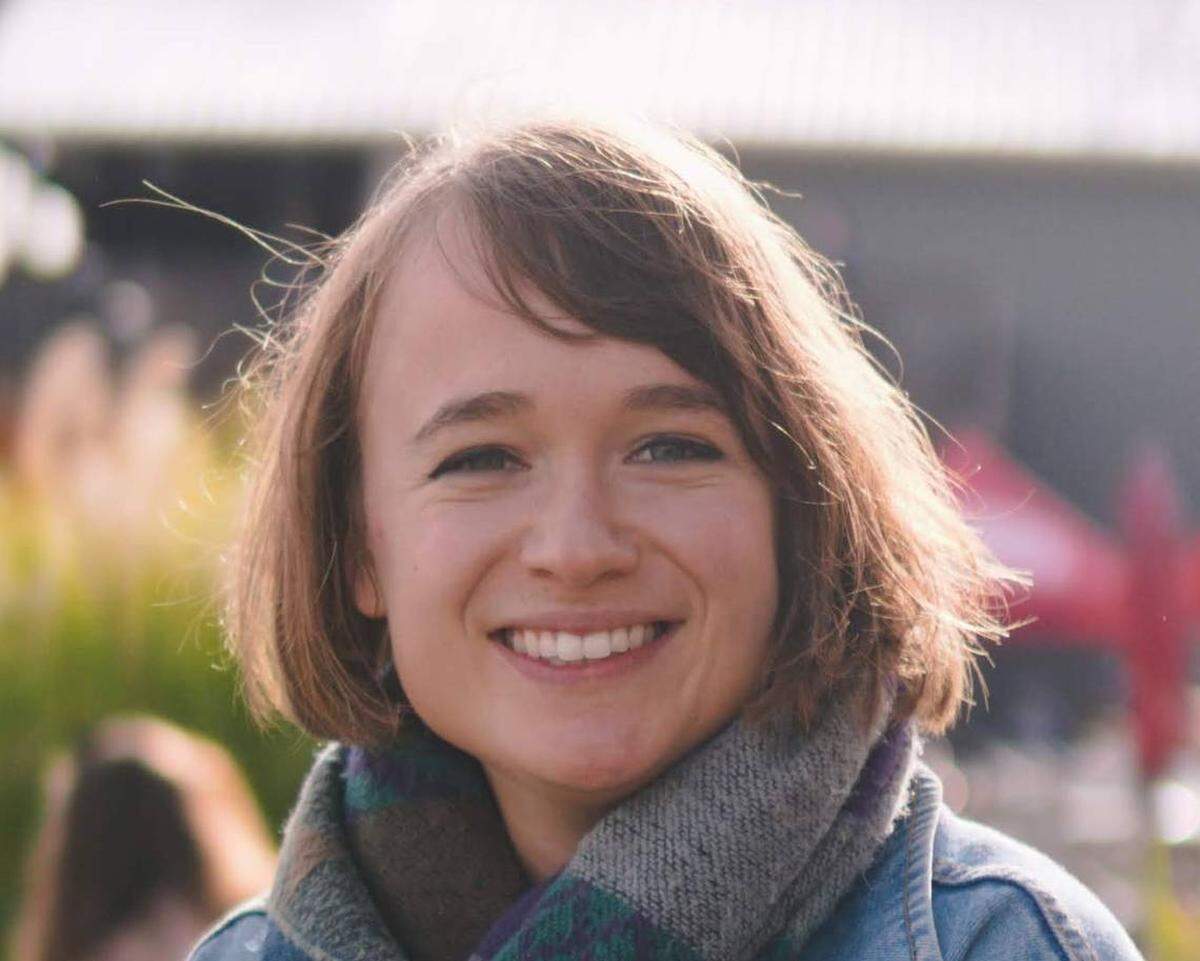
In March, Kayla Beasley’s story of believing she was drugged while out at a bar in downtown Ocean Springs went viral on Facebook.
One 28-year-old Biloxi woman was especially shocked to see it, because she thinks the same thing happened to her, on the same evening, at the same place.
“I saw her story,” the woman said. “I was like, wait a minute, we were there the same day. All that happened to me.”
The woman, who requested anonymity because she fears possible repercussions at work, was one of over a dozen people who commented on Beasley’s post or sent her messages to say they also believed they had been drugged while out at bars and restaurants in Ocean Springs in recent months.
Ocean Springs offers one of South Mississippi’s largest collections of nightlife spots that can be easily explored on foot. On Washington Avenue and Government Street, more than a dozen bars and restaurants that stay open late draw huge crowds most weekends.
Five women and one man who believe they were drugged while visiting restaurants and bars in Ocean Springs shared their stories with the Sun Herald. Most said the incidents occurred between December 2020 and mid-March. Several of their stories are detailed here.
Most people interviewed said they felt deeply embarrassed by what they say happened to them. Three requested anonymity because they were afraid of repercussions in their workplace or judgment from friends and family. Three agreed to speak on the record. In most cases, that embarrassment, and the sense that nothing could be done, discouraged them from reporting it to police.
Two people found that even if they went to the hospital within hours after believing they were drugged, getting the right toxicology was impossible.
No one who discussed their experience with the Sun Herald believed they were sexually assaulted after possibly being drugged.
The Gulf Coast Center for Nonviolence — a nonprofit that provides services and resources for victims of sexual assault and domestic violence — has gotten enough calls from people who believe they were drugged and then assaulted that sexual assault program manager Stephanie Piper called Ocean Springs “a hot spot for it at the moment,” though she noted it can happen anywhere.
She said that since January 2020, she has personally spoken with six people who believe they were possibly drugged in Ocean Springs. Of the six people separately interviewed by the Sun Herald, five said they had never contacted the Gulf Coast Center for Nonviolence; the sixth did not respond to that question.
“Most of the people don’t go to the police, because it’s not like there’s anything that they can prove or feel like they’ll be believed,” Piper said.
“When you can’t prove it, that somebody slipped you something, and you don’t know where you were slipped something, and you feel weird, and you were drinking, then you take the blame on yourself. … They take ownership of it, and it’s not their fault. It’s not illegal to drink if you’re of age.”
A viral Facebook post
In Beasley’s post, she said she had met up with her mom and some friends on the night of Saturday, March 20, at Glory Bound Gyro Co., a bar and restaurant on Government Street where bands play on the outdoor patio, and there’s often a crowded dance floor.
She wrote that she ordered a double shot of Patron tequila, and sipped it while dancing. Then they went out to the dance floor.
“That’s the last I remember of that night,” she wrote. “I woke up to a busted face and teeth with no recollection of what happened. Someone spiked my drink while I was there and, apparently, I could barely walk or function and ended up face-planting the concrete.”
The post, which originally had Glory Bound’s name at the top, was shared nearly 1,000 times and drew hundreds of comments.
Glory Bound’s owner Will Taylor disputes Beasley’s account and said portions of it are contradicted by security camera footage. Beasley’s post mentions only one drink, the double shot of Patron, but the security footage shows she also ordered a second double shot of Patron, though the cup spilled on the bar almost immediately after she got it.
It appears most of the liquid spilled out of the container, and Beasley said she drank very little of that shot. The footage shows Beasley and her mother also shared a bottled beer. Beasley told the Sun Herald that she estimated she had about three shots of liquor.
Footage the Sun Herald reviewed at the bar’s invitation shows no sign of anyone appearing to tamper with her drinks while she stood near the bar for about 30 minutes. But Beasley said there is no way the amount of alcohol she consumed would have left her so intoxicated.
The Ocean Springs Police Department said that in addition to Beasley’s case, only one other person has reported being drugged in the past few months.
“If it’s happening, they need to report it,” said Capt. Ryan Lemaire. “But if it’s not being reported, there’s absolutely nothing we can do about it.”
‘You’re gonna have to prove’ being drugged
The Biloxi woman who believes she was also drugged on the evening of March 20 started her afternoon at a restaurant on Government Street, where she met up with her mom, aunt and sister.
She said she had one drink there, a Sprite with Captain Morgan’s rum. Around 6:30 p.m., they went to Glory Bound. She ran into a friend from high school and ordered a pickleback shot: Jameson whiskey chased with pickle juice.
“I was not drunk at all,” she said. “Literally 10 minutes later, I don’t remember anything for like five hours.”
The next thing she remembers, she was standing outside Kwitzky’s, talking to a stranger, around 11:30 p.m. She went back to Glory Bound hoping to find her family. They were there, having looked for her for hours.
The woman’s mother — who confirmed that her daughter had only had one drink at the restaurant before buying the shot at Glory Bound — said they had not seen much point in telling either the restaurant or the police what happened.
“I told my daughter before we heard about this other girl, I said, ‘They’re not gonna believe you,’’’ her mother said. “There’s so many people that go in there; you’re gonna have to prove it.”
When asked about the woman’s account, Glory Bound co-owner Taylor said, “This is the first we’re hearing of anything about this claim. Wish we had more information so we could look into it further.”
Data difficulties for date rape drugs
There is no national system for tracking reports of people who believe they were slipped drugs against their will, but since the 1990s, rape crisis centers and media reports have described drug-facilitated sexual assaults across the country.
The National Crime Victimization Survey, the country’s primary source for understanding crimes not reported to police, doesn’t ask about druggings.
A spokesperson for the Office of Justice Programs said the FBI does not record that data either.
Chris Vignes, spokesman for the Mississippi Department of Public Safety, said DPS does not track reports of people being drugged.
Even the language used to describe the phenomenon is hazy. “Getting roofied” is typical shorthand for being drugged while out at a bar or party. “Date rape drugs” is the label commonly used to refer to drugs, including Gamma-Hydroxybuturic Acid (GHB), benzodiazepines like Rohypnol, and Ketamine, that can induce immobility, lack of body control, and blackouts, or loss of consciousness.
Patrick Kyle, director of clinical chemistry and toxicology labs and professor of pathology at the University of Mississippi Medical Center, said Rohypnol and GHB have become much less common in recent years. They’ve been replaced by synthetic “designer” opioids and benzodiazepines, he said.
The drugs are generally odorless and tasteless — undetectable in a drink — and alcohol worsens the effects.
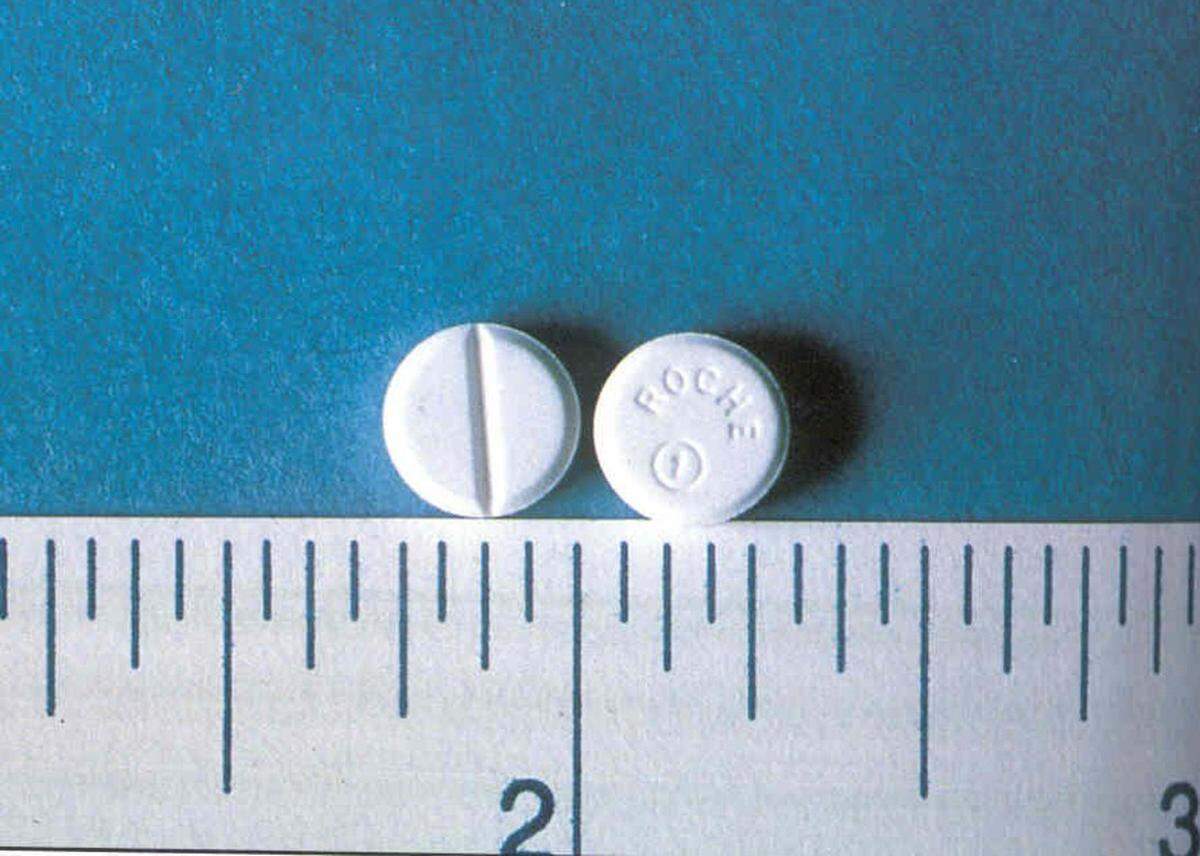
But while the label for this class of drugs implies the motive is sexual assault, anecdotal evidence in reports from across the country, as well as the accounts from Ocean Springs, suggest that’s not always the assailant’s goal. A 2014 New York Magazine article described “drug assaults” in which New Yorkers were drugged but not sexually assaulted. In Nashville, police said in 2019 that women were drugging men at city bars in order to rob them.
Dustin Johnson, who said he is a regular in downtown Ocean Springs, was at Glory Bound on Nov. 29 with his girlfriend and a few friends. A man he didn’t know bought him and a friend one shot each of Crown Royal whiskey. Johnson drank all of his; his friend didn’t. The next thing Johnson knew, his friend was propping him up at the door of his house.
One reason he believes he was drugged is that he was acting belligerently, even “fighting people.” That’s not something Johnson, a self-described “drinker,” said he normally does.
He ended up going to the hospital to treat his busted eyebrow and fractured knee. But he didn’t think to ask for a drug test.
He also never contacted the police or Glory Bound.
“I didn’t think there was a point,” he said.
Taylor said Glory Bound had never heard anything about Johnson’s experience.
Few report druggings to Coast police
The Sun Herald contacted police departments around the Coast. Besides Ocean Springs, none said that they had recently received reports of people being drugged. (The Bay St. Louis Police Department did not respond to repeated phone calls requesting comment.)
Brian Dykes, a spokesman for the Biloxi Police Department, said that over the past decade, fewer than 10 such reports had been filed.
The problem was more widespread in the late 1990s and early 2000s, he said.
Since then, when much of the country was concerned about what seemed to be an alarming increase in drug-facilitated sexual assault, there have been few public reports of people being drugged on the Coast.
Nick Quave, a businessman who was previously an owner of the Juke Joint and is an investment business partner in a new sushi bar downtown, said the downtown bars tend to attract a younger clientele, some of whom have less experience drinking. At least some of the reports, he said, may be cases where someone had too much to drink.
“I’m not saying, ‘I don’t think that anybody could have the possibility of drugging somebody,’” he said. “I used to own bars, and I used to drink, but if I take 12, 13 shots of tequila, I’m blacking out, too.”
Quave, who also does consulting work for downtown businesses, thinks the post-pandemic period could bring changes to local nightlife. He said he has seen more traffic downtown in recent months than before the COVID-19 pandemic began.
He worries that people who have been “cooped up” for months are eager to have fun, but may not realize that their alcohol tolerance has declined. And those ready to move on from coronavirus concerns may let their guard down in other ways.
Quave said the dynamic has led him to support more patrols by Ocean Springs police downtown on weekend nights.
“Everybody’s just ready to get out, there’s a lot going on down here, and I think there’s just a lack of presence,” he said.
Testing troubles at hospitals
Dykes said that confirming a person was “roofied” is nearly impossible unless they go to the hospital within a few hours of being drugged.
And even then, hospitals generally do not have the equipment to test on-site for incapacitating drugs, said Kyle at UMMC.
“Only the Mississippi Crime Lab and the University of Mississippi Medical Center use the technology required to detect designer drugs,” he said.
Hospitals’ routine toxicology screening looks for alcohol and illicit drugs like cocaine, but beyond that, samples must be sent to an outside lab, said David Vearrier, a professor of emergency medicine and chief of the division for toxicology at UMMC.
“I’ve been an ER doctor since 2008,” he said. “I’ve had this complaint more times than I can count. People being concerned that they were drugged while out having a good time. People come to the ER thinking that we can do the testing for it. The reality is that we can’t.”
Singing River Health System, Hancock Ochsner and Memorial Hospital in Gulfport all said that their standard toxicology screenings are not designed to capture traces of many drugs of incapacitation.
Hospitals said they generally do not screen for “date-rape drugs” unless a patient specifically requests it.
Serious medical consequences
Emily Tillman, 26, was at the Juke Joint in the early morning hours of Feb. 23 with a male friend when two men came in and started talking with them. One of them flirted with her aggressively, “and I was not having it,” she said.
The men asked if they wanted to play darts, and Tillman and her friend agreed. That’s the last thing she remembers. Her friend experienced no unusual physical effects.
The next day, she woke up on her best friend’s couch. Embarrassed and unsure of what had happened, she went home without talking to her friends. She thought about the number of drinks she had: maybe four over a five-hour period. She didn’t feel hungover. She concluded she had been drugged.
Then, within hours, she started feeling “really bad.” Tillman, who uses a wheelchair, said she has naturally low blood pressure and weak kidneys. Her fingertips were turning blue. Her blood pressure was 76 over 43. She called a good friend to take her to Memorial Hospital in Gulfport, where her temperature read as below normal, 95.6 degrees.
“I very easily could have died,” she said.
Lowered body temperature and blood pressure are signs of a GHB overdose. But Tillman said her doctor was still reluctant to order screening for the drug. Memorial Hospital declined to comment on Tillman’s treatment.
“‘No, I’m not the kind of person, I really think this is what happened,’” she recalled telling the doctor. “They’re like, OK, well we’ll do this toxicology, but it’s gonna get sent off to a state lab and take two weeks. I said OK, that’s fine, I need to get this figured out and this person brought to justice because this is not OK.”
Later on Feb. 23, she went back to the Juke Joint and reviewed security camera footage, which showed one of the men quickly waving his hand over her drink when she briefly left it at the bar to go to the dartboard. (Juke Joint did not respond to phone calls and messages requesting comment.)
She also filed a report with the Ocean Springs Police Department. The investigator on her case told her to let him know when she got the toxicology results back from the hospital.
But when she went to pick them up, she learned the test had never been ordered.
“He specifically said that he ordered it, and he never did it,” she said.
Tillman also said her doctor did not alert anyone else in the hospital and did not contact the police.
Memorial Hospital said in a statement that state and federal privacy laws prohibit them from acknowledging whether someone was ever a patient, and so the hospital would not comment on Tillman’s experience.
Public relations specialist Marti Schuman said in response to a general inquiry that “date rape drugs are not a problem that we’ve been seeing.”
“Memorial’s procedures and policies would be to contact law enforcement,” she continued.
Lemaire, of the Ocean Springs police, declined to discuss Tillman’s case because it is still under investigation. Along with Beasley’s case, it was the only recent report of someone being drugged that he was aware of.
Security camera footage
On the morning of Sunday, March 21, Beasley reached out to the bar to tell them her story. A manager collected her information and told her they would review video footage and get back to her.
On Monday morning, Beasley went to the hospital. She had put it off, she said, because she had hoped that video footage might show someone tampering with her drink so she would have supporting evidence to ask for a toxicology screen.
“Mainly, I felt so crazy about it,” she said. “I was doubting myself.”
By the time she did go to the hospital, anything that might have been in her system was long gone.
She made her Facebook post later that day, initially putting the name “Glory Bound” at the top of the post. She later removed the name and changed the top line to “Downtown Ocean Springs” after a Glory Bound employee asked her to take the post down while they reviewed camera footage, she said. (Glory Bound said one of their employees only asked her to remove the business name from the post.)
The comments from people with their own stories of being drugged came flooding in.
Glory Bound has maintained that Beasley’s account is untrue. An employee spent five hours reviewing security camera footage to trace her movements for almost the entire period she was there.
Security camera footage reviewed by the Sun Herald shows no one evidently tampering with Beasley’s drinks during a roughly 30-minute period when she and her mother were standing at the bar itself.
During the 20 minutes she and her mother spent with friends in a more crowded area, Beasley and her mother held on to a beer bottle they were sharing. Her mother did not feel any unusual effects.
Taylor, Glory Bound’s co-owner, said Beasley was given a detailed description of the tape and invited to see it herself. She told the Sun Herald she didn’t go because she didn’t want to go back to where she believed she was drugged.
‘Publicly shamed by the bar’
On the evening of Monday, March 22, Glory Bound’s co-owners wrote a public Facebook post laying out the timeline of Beasley’s roughly 50 minutes inside the establishment.
Reaction to the post was swift and largely critical.
“I can’t imagine going through something like this and then being publicly shamed by the bar it happened in,” one person commented. “This response is very disappointing.”
Taylor told the Sun Herald that he felt he had to respond publicly with the information from the video because some of the comments on Beasley’s post made wild accusations.
“The first post sent out by Ms. Beasley had GLORY BOUND OS in all caps accompanied with siren emojis before going into the details of her claim,” Taylor said in an email to the Sun Herald. “Seconds later, the post was viral. 900+shares and even more comments later, we heard everything from our seasoned bartenders being accused of drugging guests to being part of human trafficking which sparked the response from us.”
The restaurant hired an attorney, personal injury lawyer Corban Gunn, who called Beasley two days after she wrote her post and, she said, threatened legal action if she did not remove the post. Gunn told the Sun Herald he did not make a threat but simply told Beasley that legal action was possible.
“The main thing I was feeling was I was scared,” Beasley said of the phone call from Gunn.
She took the post down because she didn’t want to risk hurting her family, especially her two children. And she had already succeeded in raising awareness about the issue of drink-spiking, which she said was her goal for the original post.
“I really didn’t even think anyone would believe me,” she said. “And then everyone started coming forward saying the same thing happened to them. I was like, don’t believe me all you want, but these people aren’t lying.”
The day he called Beasley, Gunn also called the Sun Herald, which had not yet contacted him.
“Her claims of being roofied or drugged are false,” he said. “Absolutely false. They’re a lie. And what she has done is in violation of Mississippi law and is libel and defamatory.”
“I’m going to make Ms. Beasley do an apology on Facebook,” he continued. “It’s a lie.”
Beasley said she deleted the post because she was scared after Gunn’s call, but that it wasn’t a lie.
Gunn later told the Sun Herald that he had “misspoke” when he said Beasley was lying.
“It is just contradictory to the video evidence,” he said. “She felt like something occurred, but it doesn’t appear that it occurred.”
Legal protections for speaking out
A First Amendment expert told the Sun Herald it was very unlikely a business could successfully sue someone for making a post like Beasley’s. They would have to show that she knowingly lied to damage the business, said Katie Schwartzmann, director of the First Amendment Clinic at Tulane Law School.
“To threaten someone with a defamation lawsuit is a very serious thing,” Schwartzmann said. “You’re essentially silencing someone’s speech entirely. The average person is not going to feel that they have the resources to take that on.”
The legal bar for defamation is especially high when someone is speaking out on a matter of public safety, Schwartzmann said. American constitutional law strictly protects the right to free speech in public spaces like sidewalks, streets and parks. And in the 21st century, she said, social media is analogous to those spaces.
“So to shut that entire dialogue down with the threat of a lawsuit seems not just problematic from a constitutional perspective, but also from a public safety perspective,” she said.
Piper, the sexual assault program manager at the Center for Nonviolence, said Beasley’s post has started a new conversation about a problem that never disappeared.
“It’s been happening,” she said. “It’s bittersweet that a social media post could bring so much attention to a problem that has been going on for years and years and years in the world.”
All of the six people who spoke with the Sun Herald said that even when they believed they had been drugged, they had questioned how it could be possible.
The woman who believes she was also drugged on March 20 said that when she came to late that night, she had worried she was “just over dramatic.”
“I’m from Ocean Springs,” she said. “That seems a little crazy.”
Safety tips for going out
Here are ways to protect yourself when you go out, courtesy of the Office on Women’s Health at the U.S. Department of Health & Human Services.
- Be aware of drinks in punch bowls or other containers that can be easily “spiked” (when alcohol or another drug is added to a drink without permission).
- Don’t accept drinks from other people. If someone offers to get you a drink from a bar or at a party, go with the person to order your drink. Watch your drink as it is poured and carry it yourself.
- Open your drink yourself. Keep control of it at all times.
- Don’t drink anything that smells strange. Stop drinking any drink that tastes strange. Some date rape drugs may taste salty or bitter, but most are tasteless and odorless.
- Don’t drink more than you want to just because someone else wants you to. Don’t drink more than you want to so that someone else will like you or be impressed.
- Get help right away if you feel drunk and haven’t had any alcohol or if you feel like the effects of drinking alcohol are stronger than usual. Find a friend who can help you get to a safe place.
- Look out for your friends, and ask them to look out for you. You can play a powerful role in helping other people stay safe. If a friend seems out of it, seems much too drunk for the amount of alcohol she drank, is acting out of character, or seems too drunk to stay safe in general, get her to a safe place. Ask your friends to do the same for you. Learn more from the Rape, Abuse, & Incest National Network (RAINN) about how you can help prevent sexual assault as a bystander.
If you think someone has drugged you or a friend, call 911 or go to a hospital emergency room. Even though it may be difficult, it is important to tell a doctor or nurse what happened and that you might have been drugged so they can test for the right drugs.
This story was originally published June 9, 2021 at 10:50 AM.