
Coast jail playing an important role in President Trump’s immigration crackdown
After Mandonna “Donna” Kashanian was arrested by federal immigration agents last summer outside her longtime New Orleans home, she spent the night in a jail in Hancock County.
The 64-year-old Iranian woman was soon released after public outcry and a nudge from U.S. Rep. Steve Scalise, the Republican House majority leader. She was one of hundreds of newly detained immigrants in Louisiana and across the Gulf Coast to pass through the Mississippi Coast facility.
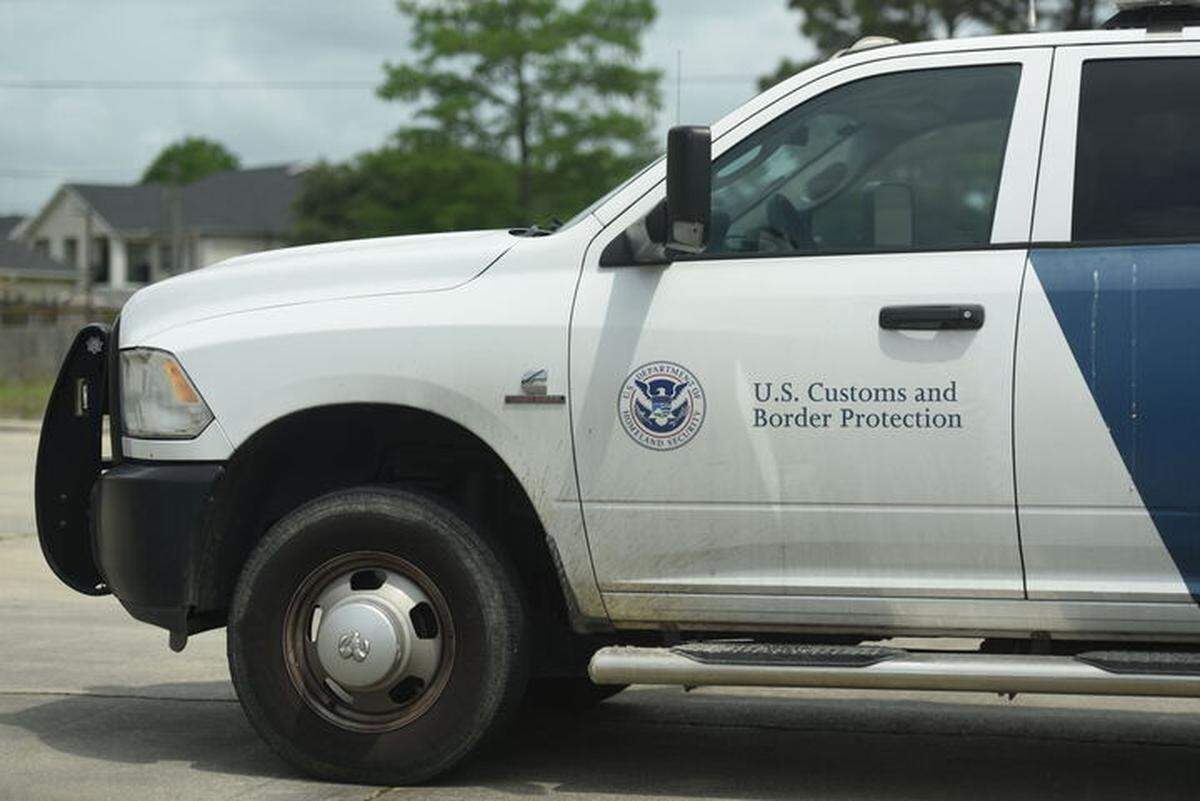
Hancock County’s partnership with Immigration and Customs Enforcement has quietly transformed the jail near Bay St. Louis into a crucial tool for the federal government as President Donald Trump’s administration deports thousands of immigrants lacking permanent legal status across the country.
“It’s a real simple agreement,” Hancock County Sheriff Johnny Alison said. “We have the space.”
The complex is among dozens of local jails around the nation that the Department of Homeland Security is using to hold migrants who are often not charged with crimes.
The number of immigrants at the jail, who are generally held there in the days immediately after their arrests before transferring to longer-term ICE detention facilities, has soared since Trump took office. Federal data shows the facility’s average daily population of ICE detainees nearly tripled last year.
Local leaders said the partnership brings thousands of dollars a month to Hancock County, where Trump won almost 80% of the votes in the last election. And jail officials said the immigrants in their custody receive the same services as county inmates, but are kept separately from them.
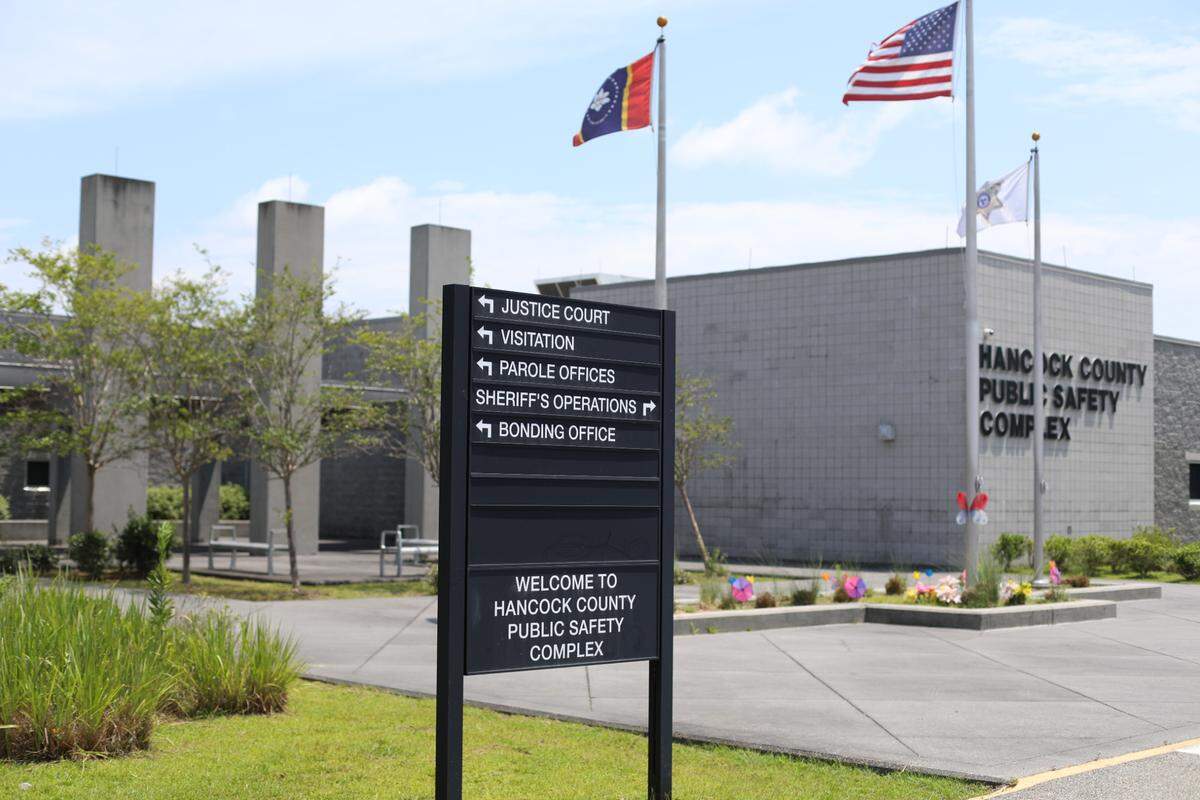
The practice has also raised concerns among some legal groups and immigration rights activists, who argue local jails are not always fit to hold migrants facing civil charges.
The jail has held several Louisiana residents whose arrests by ICE made headlines last year. Among them: A Mexican-born woman married to a U.S. Marine Corps veteran from Baton Rouge who was briefly held in Hancock County after ICE arrested her last May. Some immigration attorneys said this week that clients recently arrested in New Orleans have been transferred to Hancock County before returning to Louisiana’s ICE facilities.
The jail now holds anywhere from five to 25 ICE detainees per day, compared to its previous tallies of two to five a day before Trump took office, according to estimates by the county’s current and former sheriffs. The jail held up to 50 immigrants a day, on average, some months last year, according to the Deportation Data Project, an academic group that publishes government records.
Still, immigrants are in the minority at the complex, which has a capacity of 310 inmates.
Greg Shaw, a county supervisor whose district includes the jail, said he had heard nothing from locals about the agreement since it began. He was also not sure if constituents had heard about it.
Jimmie Ladner, the county administrator, said residents are becoming more conscious of the jail’s federal contract as immigration enforcement increases.
ICE sought help from jail
Hancock County signed a contract with ICE and DHS during Trump’s first term in 2020 after federal officials approached local leaders “to see if we could help them out,” said Brandon Zeringue, the jail’s warden.
The county has earned more than $230,000 under the agreement since October 2025, according to figures provided by Ladner. ICE paid the county $56,000 for detention services last December, when federal agents launched a high-profile immigration enforcement operation across the New Orleans region.
The contract allows Hancock County officers to bring detainees from nearby ICE field offices to the jail. It does not permit them to arrest migrants or enforce federal law.
Zeringue said ICE detainees are held in a separate cell block from other inmates. They are served three meals a day, given complete medical screenings and sometimes attend Spanish-speaking religious services at the jail on Sundays.
“We have plenty enough room,” Zeringue said. “We are not overcrowded.”
The federal government’s contracts with local jails are not new. But immigration attorneys say ICE now appears to be using the jails more often.
Brandon Riches, an immigration attorney who works in Mississippi and Alabama, said about half his clients who have been detained on the Gulf Coast passed through the jail. Logan Luquette, an immigration attorney based in Mandeville, also said many of his Mississippi clients move through the jail after federal agents arrest them.
Another client arrested this month in New Orleans spent a few days in Hancock County before being transported to a Louisiana ICE facility in Jena, Luquette said.
A DHS spokesperson called the jail “a valued partner for ICE since the Biden Administration.”
“DHS has called on states and local government to help with bed and detention space capacity,” the spokesperson said in a statement. “Despite a historic number of injunctions, DHS is working rapidly to remove these aliens from detention centers to their final destination — home.”
Attorneys report challenges
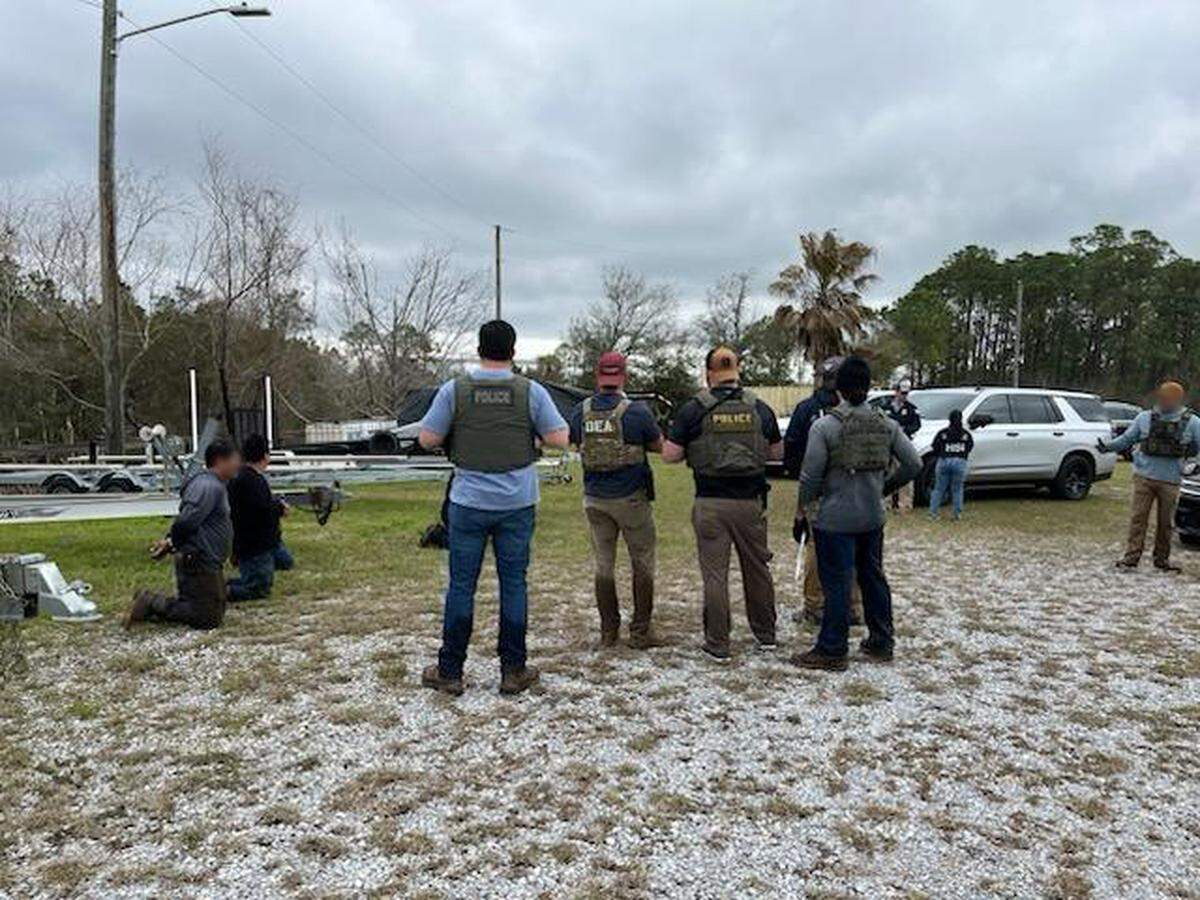
Immigration attorneys raised several questions about the jail’s process.
Riches said he struggles to contact clients during their brief stays in Hancock County and usually waits to consult with them until they are transferred to longer-term ICE detention centers.
Dalaney Mecham, an immigration attorney based in Gulfport, Mississippi, said he has not been able to locate clients while they are in Hancock County because the facility does not appear on an online ICE detainee locator.
He questioned whether detainees who are not facing criminal charges should be held in a county jail.
“It just goes to show how we have criminalized many of these people who have not necessarily been accused of any crime,” Mecham said.
Zeringue, the jail’s warden, said ICE detainees receive the same services as county inmates.
“We don’t keep them with our guys that are charged with criminal offenses,” he said. “They are safe.”